
Dani Roves the World contains affiliate links and is a member of the Amazon Services LLC Associates Program. If you make a purchase using one of the Amazon or affiliate links, I may receive a small compensation at no extra cost to you. See my Disclosure Policy for more information.
I had been living in Tokyo for months before I finally set foot in Asakusa. Honestly, I thought it would be another fast, crowded sightseeing stop, take a few photos of Senso-ji Temple, grab a snack, and move on. I couldn’t have been more wrong.
Instead, I found a neighborhood full of quiet reverence, hidden gems, and deeply rooted traditions that made it one of my favorite afternoons in the city.
If you’re looking to explore Asakusa beyond the guidebook and Instagram reels, especially as a solo female traveler, this post will show you exactly how to do that, with stories, food, and cultural moments that linger long after you’ve left.
Skip the souvenir shops, craft something meaningful instead. Join this Japanese knife-making experience in Asakusa today! Reserve your session
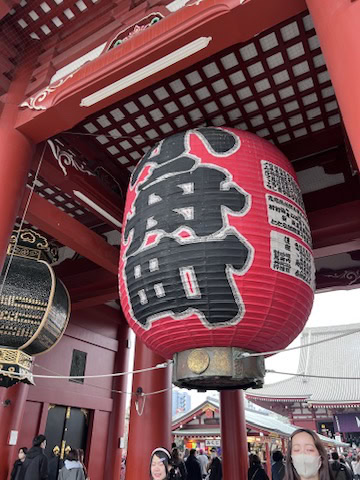
Why Asakusa Feels Different Than the Rest of Tokyo
Asakusa isn’t just a tourist stop, it’s where Tokyo still breathes tradition. You’ll hear temple bells in the distance while watching locals in kimono cross narrow alleyways. It’s one of the few places where the city’s pulse slows down, and you’re invited to just be.
As a solo traveler, I found comfort here. It’s walkable, friendly, and easy to navigate without feeling overstimulated like Shibuya or Shinjuku. Whether you’re after culture, street food, or moments of quiet, Asakusa delivers.
🏮 Step back in time with a private rickshaw ride through Asakusa — the perfect way to soak up the sights without the crowds. Reserve your tour

Senso-ji Temple: More Than a Photo Op
Yes, you should absolutely visit Senso-ji It’s Tokyo’s oldest temple and one of the most famous landmarks in Japan. But don’t stop at the lantern photo.
Insider Moment: After the crowds at Kaminarimon and the shopping street of Nakamise-dori, I wandered behind the main temple.
I ended up alone on a bench, eating a warm sweet potato snack from a nearby vendor, watching a local man quietly sweep around a small shrine. It was here I felt the heartbeat of Asakusa, calm, grounded, and deeply respectful.
🛐 Tip: Visit early in the morning or near sunset. That’s when the light hits the temple just right and the tourists haven’t overrun it yet.
It’s not just a show — it’s a full-on sensory explosion. This Asakusa cabaret delivers style, culture, and jaw-dropping talent. Reserve your seat
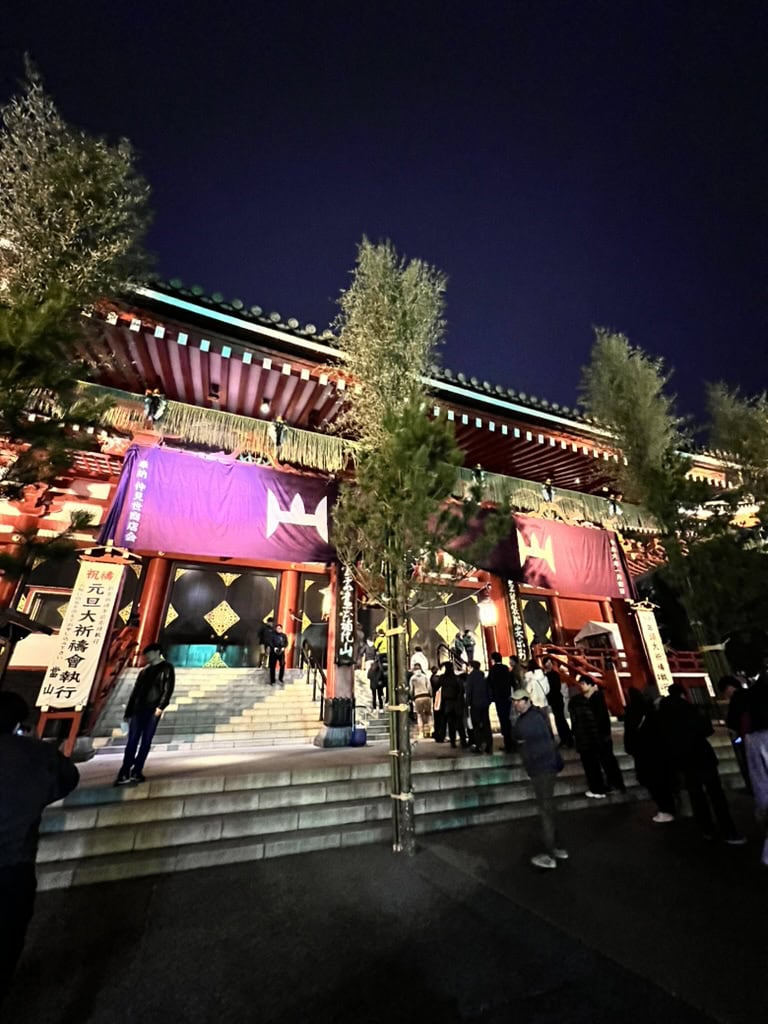
My Experience at Hatsumode
I visited during Hatsumode, the first shrine visit of the New Year. The temple was lit up with lanterns, families were dressed in traditional wear, and lucky charms were everywhere. I clapped, tossed a coin, and made my wish for the year.
Even alone, I felt completely included in the ritual. There’s something powerful about joining in a local tradition, it gives solo travel a deeper meaning.
🏮 From temples to tea — this immersive tour blends Tokyo sightseeing with a hands-on matcha ceremony. Join the walk
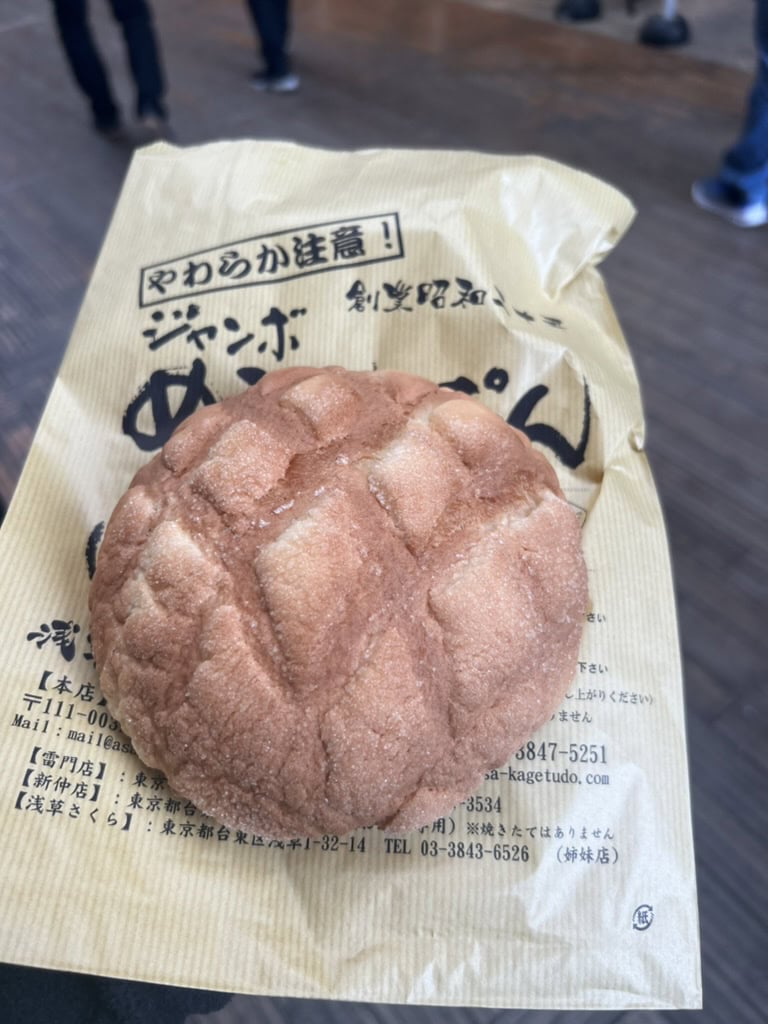
What to Eat in Asakusa
I’m not shy about eating on the go, especially when traveling solo, actually, I kind of love it. No need to wait for a table, no pressure to share bites (unless I really want to), and full freedom to follow my nose through every delicious side street.
Asakusa is a dream for snackers. Here’s what I tried, loved, and would absolutely eat again:
- Taiyaki: Crispy fish-shaped cake filled with red bean or custard
- Melon pan: Fluffy sweet bread sold at Asakusa Kagetusdo bakery
- Matcha soft serve: Stop for the creamiest version of matcha ice cream
- Asakusa Menchi – Tucked along Denbō-in Street, this stand serves up juicy, golden-fried menchi katsu (ground meat cutlets) with crispy shells and melt-in-your-mouth centers.
- Yadoroku Onigiri Shop – A humble little shop near the temple that’s been making fresh onigiri since 1954.
- Suzukien Matcha Gelato – Not your average matcha stop. This place offers matcha gelato in 7 different intensity levels
🎟️ Want to try it all without the guesswork? This Asakusa Food Tour Crawl lets you skip the guesswork and just eat everything. I left full, happy and with new friends.
Highly recommend for solo travelers wanting connection.
Explore Beyond the Main Streets
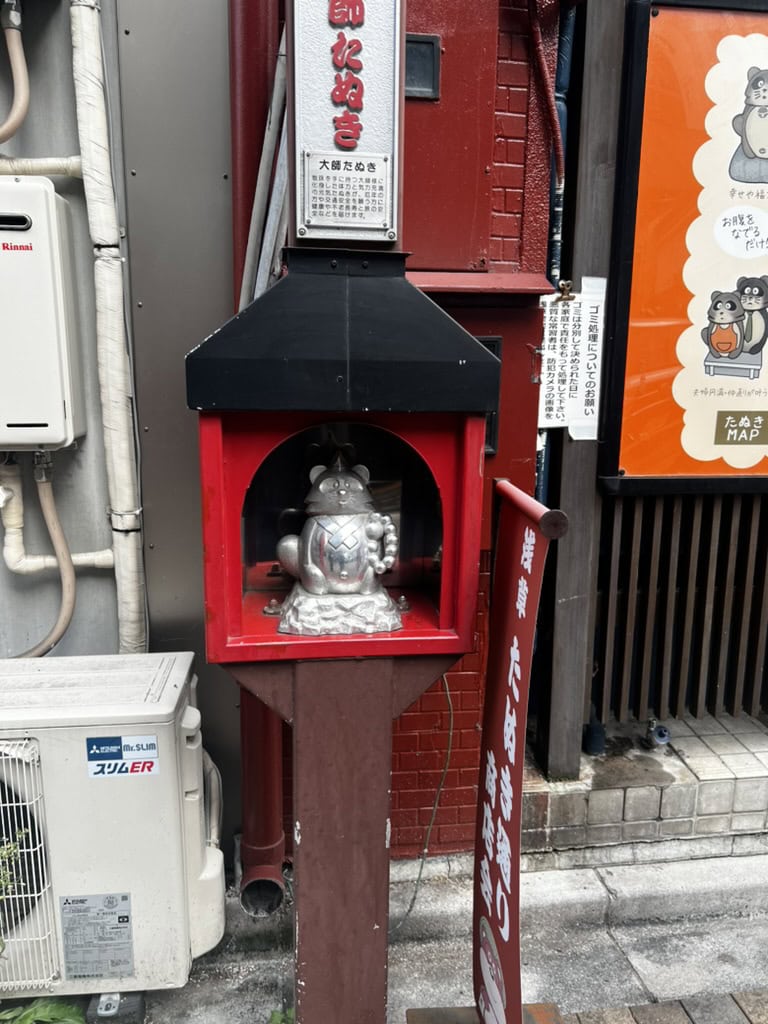
Tanuki Street
This tiny street near the main drag is lined with playful tanuki statues, raccoon-like creatures from folklore. I stumbled upon it while looking for tea and ended up chatting with an elderly shop owner who brewed me a cup like I was family.
✂️ Learn a centuries-old craft in the heart of Japan — and bring home your own handmade washi as a keepsake. Book now
Kappabashi Dori
If you’re even remotely into cooking or quirky souvenirs, this place is magic. From pro-grade Japanese knives to plastic sushi replicas that look weirdly real, it’s a uniquely Japanese experience.

Sumida River and Yakatabune Cruise
For a totally different vibe, board a yakatabune, a traditional boat with paper lanterns and tatami mats. You’ll float past the Tokyo Skytree and riverside parks. It’s a peaceful, almost meditative way to end your day.
Experience Tokyo from the water! Don’t miss this opportunity, Book Now!

Practical Tips for Solo Travelers
- Bring cash — many small stalls do not take cards
- Use offline maps or pocket Wi-Fi for easy navigation
- Look for counter seating at restaurants — perfect for solo meals
- Visit early in the morning or around sunset for fewer crowds
- Respect shrine etiquette: bow, cleanse, be quiet
My Take: Is Asakusa Worth Visiting?
Without a doubt, yes. Whether you are into temples, food, history or just want to slow down, Asakusa offers something real. I came for the sights but stayed for the feeling, the sense that even in one of the busiest cities in the world, there is room to pause, reflect and connect.
It is perfect for solo travelers who want meaning with their adventure. It is a foodie’s dream. And it is proof that Tokyo is so much more than skyscrapers and Shibuya crossing.
🧘♂️ Escape the noise of Tokyo and center your mind in this private Zen meditation session with a real monk. Book your experience

Plan Your Visit
- Location: Taito City, Tokyo
- Nearest Station: Asakusa Station (Tokyo Metro, Toei, Tobu lines)
- Recommended Time: 4–6 hours
- Best For: Solo travelers, cultural experiences, food lovers, slow travel
