
Dani Roves the World contains affiliate links and is a member of the Amazon Services LLC Associates Program. If you make a purchase using one of the Amazon or affiliate links, I may receive a small compensation at no extra cost to you. See my Disclosure Policy for more information.
Trying to figure out where to stay in Tokyo? I get it , Tokyo is huge, and choosing the right neighborhood can feel weirdly stressful.
On my first trip, I went back and forth between Shinjuku, Shibuya, and Asakusa for way too long because every area seemed like “the best.” The truth is, the best place to stay in Tokyo depends completely on your travel style.
In this guide, I’ll break down the best Tokyo neighborhoods for first-time visitors, solo female travelers, nightlife lovers, foodies, and budget travelers, plus where to stay in each area.
Best Areas to Stay in Tokyo at a Glance
Best for first-time visitors: Shinjuku
Best for nightlife: Shibuya or Roppongi
Best for traditional Tokyo: Asakusa
Best for anime and tech lovers: Akihabara
Best for luxury travelers: Ginza
Best for culture and budget travel: Ueno
If you already know your travel style, jump to the neighborhood that fits you best. If not, I’d recommend starting with Shinjuku or Shibuya for a first Tokyo trip.
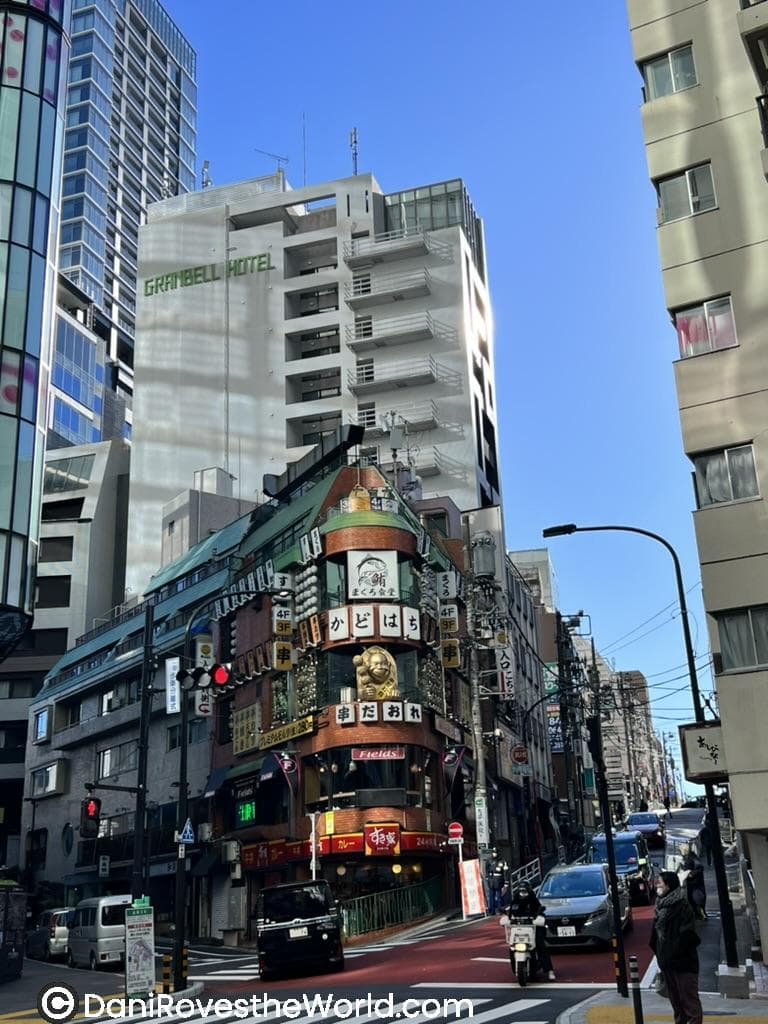
Shinjuku
Best for: first-time visitors, nightlife, transport convenience
Why Stay in Shinjuku?
Shinjuku is one of Tokyo’s most dynamic districts. It’s a place where neon lights meet lush gardens, where you can go from sipping matcha in a quiet park to singing karaoke at midnight.
If you’re a first-time visitor or a solo female traveler, Shinjuku offers everything: convenience, a vibrant atmosphere, and a mix of traditional and modern Japan.
But be warned—it’s not for the faint of heart. If you crave excitement and don’t mind the chaos, Shinjuku is a great fit.
Pros and Cons of Staying in Shinjuku
Pros:
- Nightlife and Entertainment: Everything from karaoke bars to izakayas.
- Convenience: Shinjuku Station connects you to nearly every part of Tokyo
- Food & Shopping: Budget-friendly street food to department store luxury
Cons:
- Overwhelming Crowds: If you’re an introvert or easily overstimulated, the crowds can be exhausting.
- Noise Levels: The buzz and excitement come at the cost of peace and quiet at all hours of the day and night
- Navigation Stress: Shinjuku Station is huge and can be confusing
Best Hotels in Shinjuku for Every Budget
Budget Hotels:
Hotel Gracery Shinjuku
Pros: Iconic Godzilla theme, clean and modern rooms, unbeatable central location.
Cons: Rooms are small and can feel cramped; high demand means it books up fast; noisy surroundings.
Book Hotel Gracery Shinjuku Here
Imano Tokyo Hostel
Pros: Great social vibe for meeting fellow travelers, clean dorms, affordable price.
Cons: Basic amenities; shared bathrooms may be a hassle; not ideal for those who need privacy.
Mid-Range Hotels:
Citadines Central Shinjuku
Pros: Prime location close to the action, spacious for Tokyo standards, kitchenette for convenience.
Cons: The area around the hotel can be loud; no on-site restaurant; price fluctuates with the season.
Check out Prices for Citadines Central Here
Shinjuku Prince Hotel
Pros: Fantastic views of the city, connected to shopping areas, and comfortable rooms.
Cons: Decor feels a bit dated; rooms aren’t as modern as you’d expect; can get crowded in the lobby.
Book Shinjuku Prince Hotel Here
Luxury Hotels:
Hilton Tokyo
Pros: Excellent service, great executive lounge, and free shuttle to Shinjuku Station.
Cons: Not as central; older property compared to newer hotels; pricey dining options.
Check out Prices for the Hilton Tokyo
Keio Plaza Hotel
Pros: Spacious rooms, great for longer stays, and a rooftop pool.
Cons: Large hotel feel; lobby can feel impersonal; may not feel as luxurious as other options.
Explore Deals at Keio Plaza Hotel Here
Best Things to Do Near Shinjuku Hotels
Shinjuku Gyoen National Garden
Escape the chaos with a serene stroll among cherry blossoms (in spring) or fall foliage. Perfect for self-care and a moment of peace.
Golden Gai
Explore the narrow alleyways packed with tiny bars. Each one has a unique theme and vibe, great for solo travelers who want to meet new people. If you want to check it out on a tour, this one was my favorite!
🍜 Eat your way through Golden Gai 🍜
Restaurants in Shinjuku
- Omoide Yokocho: A nostalgic alley of yakitori stands and street food. Best enjoyed alone or with new friends. It’s safe, even if you’re traveling solo, but keep an eye on your belongings.
- Isetan Dining
- Tsunahachi Tempura: Traditional tempura at its best. Light, crispy, and a must-try for first-time visitors.
Top Tips for Staying in Shinjuku
- Navigate with Ease: Use Google Maps and allow extra time for getting around Shinjuku Station.
- Even at night, Shinjuku is relatively safe. Stick to well-lit areas and trust your instincts.
- Self-Care Moment: Take a quiet morning walk in Shinjuku Gyoen or schedule an afternoon in a calming onsen like Thermae-Yu Spa, a perfect spot to unwind after exploring.
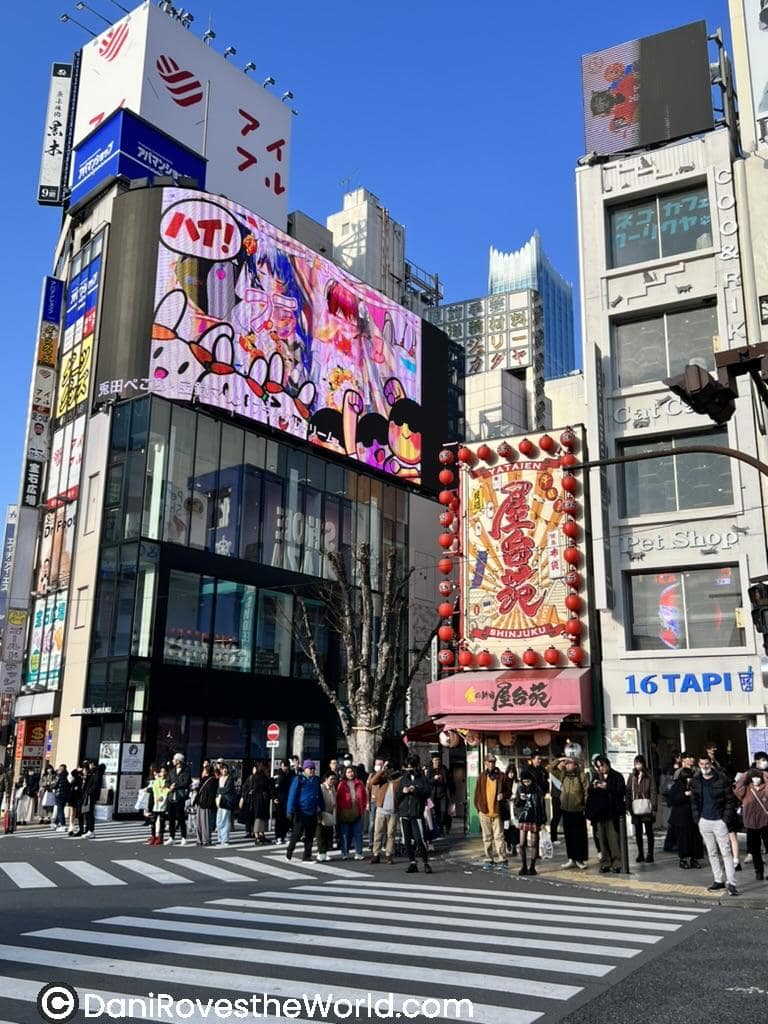
Shibuya
Best for: shopping, nightlife, trendy atmosphere
Why Stay in Shibuya?
Shibuya is the heartbeat of modern Tokyo. It’s the place where neon lights illuminate the sky, street fashion reigns supreme, and you’ll find the world’s most famous pedestrian crossing.
If you’re visiting Tokyo for the first time or you love the thrill of a vibrant, youthful atmosphere, Shibuya is the spot.
It’s perfect for solo female travelers who crave energy, people-watching, and easy access to some of Tokyo’s most iconic sites.
Pros and Cons of Staying in Shibuya
Pros:
- Pop Culture Hotspots: Between Shibuya Crossing, the shopping malls, and quirky cafes, there’s always something to do or see.
- Nightlife & Dining: Shibuya has a fantastic mix of restaurants, bars, and clubs.
Cons:
- Expensive: Dining and hotels tend to be pricier here. Budget travelers might need to get creative.
- Crowded: The area is always buzzing, which can be overwhelming
- Can Feel Chaotic: The fast-paced energy of Shibuya isn’t for everyone. It can feel chaotic and hard to navigate at times.
Best Places to Stay in Shibuya
Budget Hotels:
The Millennials Shibuya
Pros: High-tech, minimalist vibe with pod-like sleeping spaces; free beer hour for socializing; central location near Shibuya Crossing.
Cons: Pods can feel cramped; minimal privacy; not ideal for travelers who prefer traditional rooms.
Wise Owl Hostels Shibuya
Pros: Friendly and social atmosphere, great for meeting people; clean and modern dorms; convenient location.
Cons: Shared bathrooms; no frills; can get noisy, especially in the common areas.
Mid-Range Hotels:
Shibuya Excel Hotel Tokyu
Pros: Incredible views of Shibuya Crossing; convenient for accessing public transit; comfortable, spacious rooms.
Cons: Decor feels a bit outdated; the hotel’s popularity means it can be busy; dining options are good but pricey.
Check out prices and book Shibuya Excel
Shibuya Stream Excel Hotel Tokyu
Pros: Sleek and contemporary design; easy access to Shibuya Station; lots of restaurants nearby.
Cons: Higher price for a mid-range hotel; can get loud with the nearby traffic and crowds; amenities are limited.
Luxury Hotels:
Cerulean Tower Tokyu Hotel
Pros: Stunning views of the Tokyo skyline; luxurious and spacious rooms; fantastic on-site dining options.
Cons: Farther from Shibuya Station than other options; pricey restaurants; not as central as some travelers might prefer.
Check out prices and book Cerulean Tower
Trunk (Hotel)
Pros: Trendy, eco-friendly boutique hotel with stylish design; great bar and social spaces; close to Cat Street for shopping.
Cons: Expensive, even for Tokyo; rooms are smaller than expected; can feel a bit too “hipster” for some tastes.
Top Sites in Shibuya: Must-See Attractions
Shibuya Crossing
Shibuya Crossing is more than just a crosswalk—it’s a bucket-list experience. Stand on the second floor of Starbucks or head to the Shibuya Sky Observation Deck for an epic view of the crowd.
Crossing it is a surreal feeling, and at peak hours, it’s mesmerizing.
Self-care tip: Go early in the morning if you want to experience it with fewer people and soak in the energy calmly.
Hachiko Statue
A heartwarming symbol of loyalty and friendship, this statue commemorates the faithful dog Hachiko, who waited for his owner at Shibuya Station for years.
It’s a popular meeting spot, so expect crowds. Solo travelers will love the story behind it, but a quick visit is all you’ll need.
Meiji Jingu Shrine
Just a short walk or train ride from Shibuya, Meiji Jingu is an oasis of tranquility. The walk through the lush forest to the main shrine is meditative and calming.
Take some time here to journal, reflect, or simply breathe in the fresh air. This is the perfect place for a solo self-care moment away from Shibuya’s chaos.

Shibuya Sky
This rooftop observation deck offers 360-degree views of Tokyo, including Mount Fuji on a clear day. It’s a bit of a splurge, but worth it for a sunset view. Don’t forget your camera!
🤩 I love this Go-Kart Tour in Shibuya
Restaurants in Shibuya
- Uobei Shibuya:
Conveyor belt sushi with a twist—here, the sushi is ordered via touchscreen and delivered right to your seat at lightning speed. Quick, fun, and perfect for a solo dining experience. - Han no Daidokoro:
Mouthwatering Japanese BBQ (yakiniku) that lets you grill your own high-quality cuts of meat. Perfect for solo travelers craving a hearty meal. The staff are friendly and will help if you’re new to yakiniku dining. - Harajuku Gyoza Lou:
A short walk from Shibuya, this no-frills spot serves up some of the tastiest and cheapest gyoza. You can choose between fried or steamed, and it’s easy on the wallet. Great for a quick, satisfying meal.
Top Tips for Staying in Shibuya
Avoid Peak Hours: If you want to visit Shibuya Crossing or shop, try to avoid peak times (weekday evenings and weekends). It’ll make the experience less stressful.
Self-Care Escape: Need a break from the crowds? Head to Meiji Jingu Shrine or Yoyogi Park for a calming walk among nature.
Safety: Shibuya is safe, but always be aware of your surroundings. Keep your phone charged and use Google Maps to navigate the maze-like streets.
Self-Care Tips for Solo Female Travelers in Shibuya
Relax at Shibuya Sky: Sunset is a magical time. Breathe in the city views, meditate, or journal about your Tokyo adventure.
Shop Mindfully: Take breaks while exploring Shibuya’s many malls and department stores. Stop for tea or matcha at one of the quiet cafes tucked away from the main streets.
Quiet Time: Schedule a morning walk at Meiji Jingu or head to Yoyogi Park for a picnic. Sometimes, the simplest activities bring the most joy.
Navigating Shibuya without internet can be tricky. Consider renting a portable WiFi hotspot to stay connected

Asakusa
Best for: traditional Tokyo, culture lovers, quieter stays
Why Stay in Asakusa?
If you’re craving a taste of traditional Japan, Asakusa is the perfect neighborhood. With its old-world charm, historic sites, and bustling market streets, Asakusa will transport you back in time.
The highlight is Senso-ji Temple, the oldest and most famous temple in Tokyo, but there’s more to discover, from charming rickshaw rides to riverside strolls.
As a solo female traveler, Asakusa offers a unique opportunity to experience Japan’s rich cultural history in a relatively safe and relaxed setting.
It’s the kind of place where you can spend a day getting lost in the past—and still be close to modern conveniences.
Pros and Cons of Staying in Asakusa
Pros:
- Rich Cultural Experience: Asakusa is brimming with traditional Japanese culture, from temples to festivals.
- Budget-Friendly: Plenty of affordable food and shopping options
- Iconic Landmarks: Senso-ji Temple and the nearby Nakamise Street make for a quintessential Tokyo experience.
Cons:
- Limited Nightlife: If you’re looking for lively bars or late-night entertainment, you’ll need to head elsewhere.
- Touristy Vibes: The area around Senso-ji can get very crowded with tourists, especially on weekends.
- Farther from Modern Tokyo: Asakusa is slightly removed from the central districts, making some areas less convenient to reach.
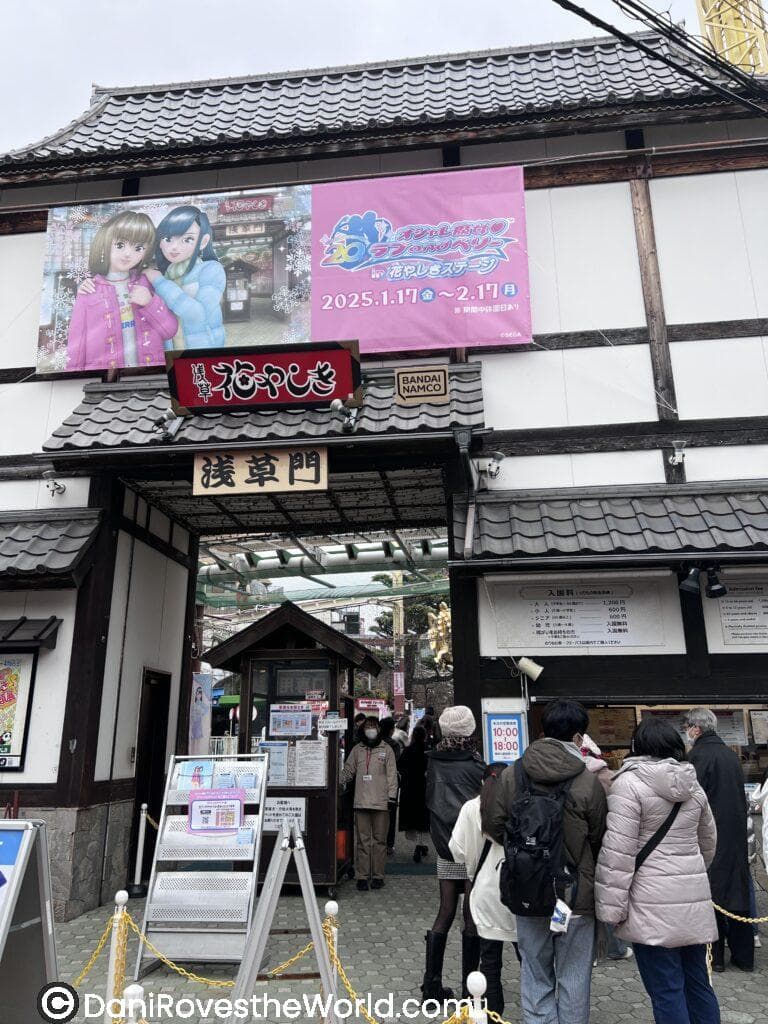
Best Places to Stay in Asakusa
Budget Hotels:
Hotel 3000 Asakusa Honten
Pros: Incredibly budget-friendly; includes free breakfast; central location near Nakamise Street.
Cons: Very small rooms; basic amenities; may not feel comfortable for longer stays.
Book your Budget Hotel in Asakusa Here
Mid-Range Hotels:
Asakusa View Hotel
Pros: Incredible views of Tokyo Skytree and Senso-ji; spacious rooms; great breakfast buffet.
Cons: Decor feels a bit outdated; not the most luxurious experience; hotel can be crowded with tour groups.
Book the Asakusa View Hotel Here
Hotel Keihan Asakusa
Pros: Comfortable and clean; convenient location near public transport; great for families or solo travelers.
Cons: Rooms are quite simple; limited dining options on-site; not as charming as boutique hotels.
Luxury Hotels:
Asakusa Tobu Hotel
Pros: Newly built, modern design; large, comfortable rooms; excellent views of Tokyo Skytree.
Cons: Higher price point compared to other Asakusa hotels; lacks traditional Japanese aesthetics; can feel impersonal.
Book Now for the Best Rate
Andon Ryokan
Pros: Authentic ryokan experience; beautiful traditional design; offers cultural activities like tea ceremonies.
Cons: Very small rooms; futon beds may not be for everyone; shared bathrooms.
Stay at this Amazing Ryokan- Book Here
Top Sites in Asakusa: Dive Deeper Into Tradition
Senso-ji Temple:
The spiritual heart of Asakusa and Tokyo’s oldest temple. Arrive early in the morning to beat the crowds and enjoy the peaceful atmosphere.
Don’t miss the impressive Kaminarimon Gate with its massive red lantern.
Pro tip: Before entering, purify your hands and mouth at the water pavilion, it’s a lovely cultural ritual.
Nakamise Street
A lively shopping street leading up to Senso-ji, lined with stalls selling traditional snacks, handmade souvenirs, and kimonos.
It’s a feast for the senses and a great place to pick up gifts.
Foodie tip: Try some melon pan (sweet bread) or freshly made rice crackers.
Asakusa Culture and Sightseeing Center
Designed by renowned architect Kengo Kuma, this building offers panoramic views of Asakusa and the Tokyo Skytree from its observation deck. It’s free to enter, making it a fantastic spot for budget travelers. Take a moment to soak in the views and relax.
Sumida River
Take a riverboat cruise along the Sumida River for a different perspective of Tokyo. It’s a relaxing way to see the city’s skyline and perfect for unwinding after a day of sightseeing. Sunset cruises are especially magical.
Asakusa Hanayashiki
Japan’s oldest amusement park, dating back to 1853. It’s small and a bit retro, but it’s a fun stop for some lighthearted entertainment. If you’re a solo traveler, enjoy the quirky rides and embrace the nostalgia.
Restaurants in Asakusa
- Asakusa Imahan:
Famous for high-quality sukiyaki and shabu-shabu, this spot is perfect for a memorable dining experience. It’s a splurge, but worth it if you want to treat yourself. The staff will even help you cook your meal tableside. - Kamiya Bar:
Established in 1880, this is Tokyo’s oldest Western-style bar. Try their signature drink, Denki Bran, a unique brandy-based cocktail. The vibe is nostalgic, and it’s a fun place to unwind and people-watch. - Sushi Zanmai Asakusa:
A popular sushi chain known for fresh, affordable sushi. It’s a great spot for solo travelers since you can sit at the counter and watch the chefs at work. The menu is extensive, so you’re sure to find something you’ll love.
Self-Care Tips for Solo Female Travelers in Asakusa
Try a Tea Ceremony: Many places in Asakusa offer traditional tea ceremonies. It’s a beautiful, calming experience that allows you to slow down and appreciate the art of Japanese tea.
🫖 Take part in a Tea Ceremony 🫖
Pamper Yourself with an Onsen: Visit a local bathhouse or onsen, like Jakotsuyu, to soak and relax. It’s a wonderful way to end a busy day of exploring.
Journal by the River: Bring a notebook and spend some time journaling by the Sumida River. Reflect on your travels and enjoy the moment of peace.
Enhance your Asakusa experience by renting a kimono.
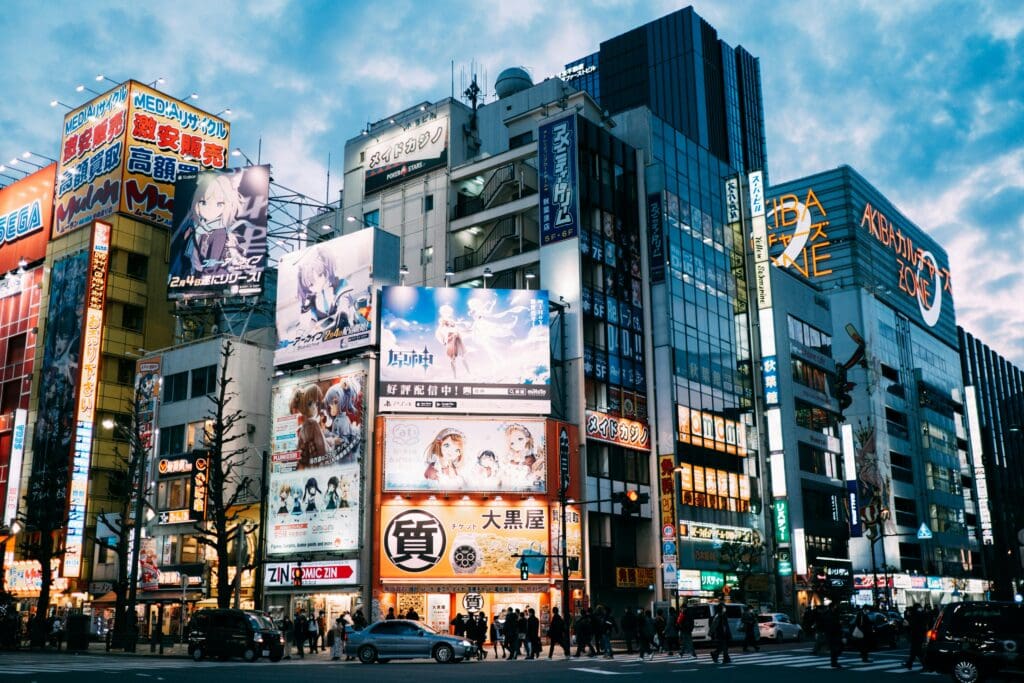
Akihabara
Best for: anime fans, tech lovers, quirky experiences
Why Stay in Akihabara?
Akihabara is the ultimate destination for tech enthusiasts and anime lovers. If you’re into video games, manga, or just love the electric vibe of Tokyo’s pop culture, this neighborhood is for you.
Known for its towering electronics stores, colorful anime billboards, and themed cafes, Akihabara is a playground for anyone who loves all things geeky.
But don’t worry if you’re not a die-hard anime fan—Akihabara’s vibrant streets and unique attractions are still a fascinating experience for any first-time visitor.
For solo female travelers, Akihabara feels safe, and there’s always something eye-catching to explore.
Pros and Cons of Staying in Akihabara
Pros:
- Tech and Anime Heaven: If you love shopping for gadgets or collectibles, this is the place to be.
- Unique Experiences: Maid cafes, themed restaurants, and arcades make for a one-of-a-kind adventure.
- Well-Connected: Easy access to the Yamanote Line and other major train routes.
Cons:
- Overwhelming Energy: The flashing lights, crowds, and constant noise can be tiring.
- Limited Green Spaces: Not much in the way of parks or places to relax outdoors.
- Niche Appeal: If you’re not into anime or tech, it might not be as appealing for a long stay.
Best Places to Stay in Akihabara
Budget Hotels:
Akihabara Bay Hotel (Women Only)
- Pros: Safe, women-only capsule hotel; clean facilities; central location near Akihabara Station.
- Cons: Very small capsules; shared bathrooms; limited privacy, though it’s secure.
Glansit Akihabara Capsule Hotel
Pros: Modern and clean; great for short stays; offers spa-like amenities, including a sauna.
Cons: Capsules can feel claustrophobic; not ideal for travelers with a lot of luggage; little interaction with other guests.
Staying in a capsule is a unique Tokyo experience. Try it for one night or more if you are adventurous
Remm Akihabara
Pros: Comfortable and well-designed rooms; directly connected to Akihabara Station; rain showers for a touch of luxury.
Cons: Rooms are compact; no large communal spaces; pricier for a budget hotel
Book your budget room here
Mid-Range Hotels:
Hotel Resol Akihabara
Pros: Modern, stylish design; comfortable beds; close to main shopping streets.
Cons: Limited amenities; rooms can be small; breakfast options are basic.
I love Hotel Resol- Check it out!
APA Hotel Akihabara-Ekimae
Pros: Reliable chain hotel with clean and functional rooms; close to Akihabara Station; budget-friendly.
Cons: Rooms are tiny; no special character or charm; can get busy with business travelers.
APA Hotels are all over Japan. Great Value- Book Here
Akihabara Washington Hotel
Pros: Spacious lobby with helpful staff; on-site dining options; great for travelers needing convenience.
Cons: Rooms are simple and not very modern; can be noisy due to location; no fitness or wellness amenities.
Top Sites in Akihabara
Akihabara Electric Town
This is the core of Akihabara, where you’ll find endless electronics stores and shops selling everything from the latest gadgets to rare computer parts.
Even if you’re not planning to buy, it’s fascinating to window shop and take in the neon-lit spectacle. Tip: Keep your belongings close in crowded areas.
Maid Cafes
One of Akihabara’s most unique experiences, maid cafes are themed restaurants where waitresses dress as maids and perform cute rituals when serving food.
@Home Cafe is a popular choice. It might feel a bit over-the-top, but it’s a fun, safe way to experience Akihabara’s playful side. If you’re a bit shy, don’t worry—the staff are used to first-timers!
Radio Kaikan
A multi-story building filled with anime merchandise, model kits, and collectibles. Even if you’re not a collector, exploring the different shops is an adventure.
Be prepared to see some niche items and maybe discover a new anime to watch!
Kanda Myojin Shrine
A beautiful, historic shrine located just a short walk from Akihabara. It’s known for protecting the tech community and even has charms for safe internet browsing and protection of electronic devices.
This is a peaceful spot to reset and reflect, away from Akihabara’s electric vibe.
Akihabara Gachapon Kaikan
A paradise for capsule toy lovers. With over 400 gachapon (capsule toy) machines, this is a quirky, affordable way to pick up unique souvenirs. It’s great for a bit of lighthearted fun, and you might end up with a one-of-a-kind keepsake.
Restaurants in Akihabara
- Akiba Fukurou Owl Cafe:
For a calming experience, visit this cozy owl cafe where you can interact with friendly owls. It’s a unique break from the tech and anime scene, but make sure to book ahead. It’s a great self-care experience if you’re an animal lover. - CoCo Ichibanya:
A classic spot for Japanese curry with a twist. You can customize the spiciness level and toppings, making it an ideal place for solo diners. Quick, affordable, and delicious. - Go Go Curry:
Known for its rich, thick Japanese curry served over rice with crispy katsu (pork cutlet). The portions are hearty, perfect after a long day of exploring. The casual atmosphere makes it solo-traveler-friendly.
Top Tips for Staying in Akihabara
- Navigate Like a Pro: Akihabara’s layout can be confusing, so download offline maps or use a portable WiFi hotspot. It’ll save you a lot of stress.
- Set a Budget for Shopping: It’s easy to get carried away with all the tempting tech and anime merchandise. Keep track of your spending, especially in stores with limited-edition items.
- Solo Safety: Akihabara is generally safe, but always stay aware of your surroundings. The area is well-lit, even at night, but keep your belongings secure in crowded shops.
Self-Care Tips for Solo Female Travelers in Akihabara
- Mindful Browsing: Take breaks while exploring the busy shops. Pop into a quiet cafe or find a bench to recharge your energy before diving back into the chaos.
- Sensory Detox: After a few hours of flashing lights and loud music, visit Kanda Myojin Shrine for some quiet reflection. It’s the perfect spot to find a moment of calm.
- Treat Yourself to an Onsen: If you’re feeling stressed or tired, consider visiting a nearby onsen or public bath to soak your worries away. It’s a wonderful way to unwind and reset.
I love this tour of Akihabara in a Go Cart! Such a Unique Experience
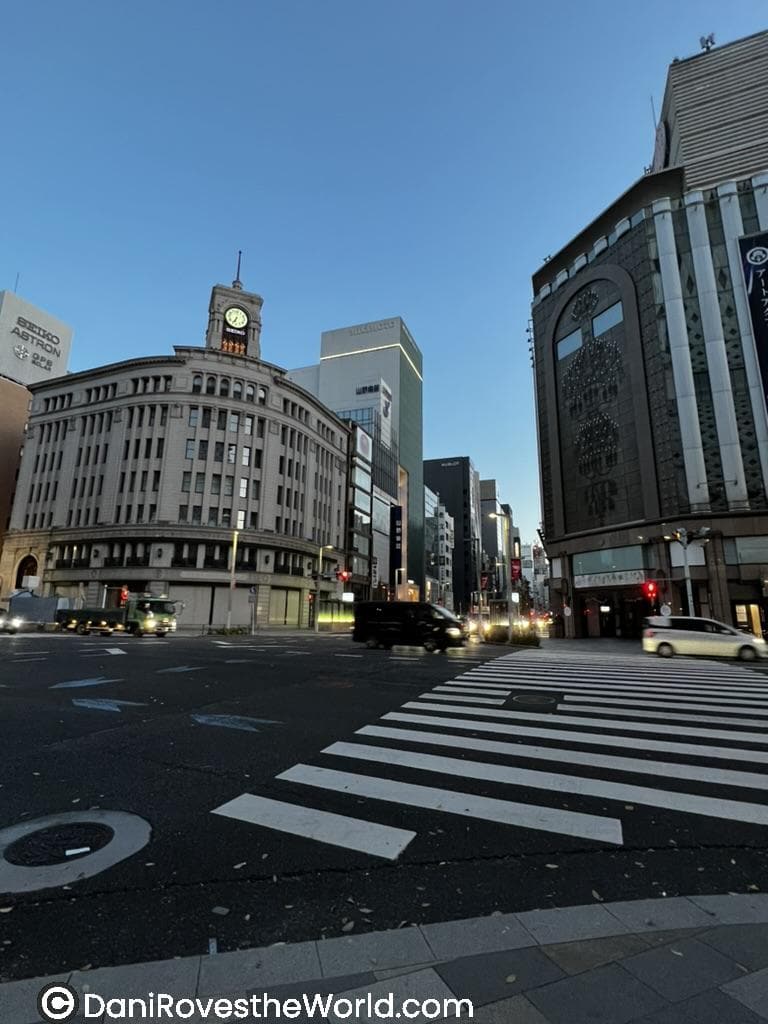
Ginza
Best for: luxury travelers, shopping, fine dining
Why Stay in Ginza?
Ginza is the epitome of luxury and sophistication in Tokyo.
Known for its high-end shopping streets, Michelin-starred restaurants, and elegant architecture, it’s the perfect place for travelers who enjoy the finer things in life. But don’t worry—you don’t have to be a millionaire to enjoy Ginza. It’s also home to affordable eateries and stunning art galleries.
For solo female travelers, Ginza’s clean, safe, and well-maintained environment makes it a great spot to treat yourself to some luxury or indulge in world-class dining.
Pros and Cons of Staying in Ginza
Pros:
- Upscale Shopping and Dining: High-end boutiques, flagship department stores, and gourmet food experiences.
- Art and Culture: Numerous art galleries and traditional Japanese performances at the Kabuki-za Theater.
- Central Location: Well-connected to other parts of Tokyo via the Yamanote Line and Tokyo Metro.
Cons:
- Expensive: The cost of accommodation and dining is higher than in other parts of Tokyo.
- Quiet at Night: The area can feel quite dead after shops close, with limited nightlife options.
- Touristy: Popular attractions and shopping streets can be crowded, especially on weekends.
Best Places to Stay in Ginza
Budget Hotels:
First Cabin Tsukiji
- Pros: Affordable, capsule-style rooms with a touch of luxury; excellent location near Tsukiji Market; female-only floors for safety.
- Cons: Capsules lack privacy; shared bathrooms; can get noisy if other guests are inconsiderate.
Book your stay at this Luxury Capsule Hotel Now
Tokyu Stay Ginza
Pros: Equipped with in-room washers and kitchenettes, great for longer stays; central location near Ginza’s main shopping street; clean and modern.
Cons: Small rooms; limited communal spaces; no gym or wellness facilities.
Great for Long Stays! Book Now
Mid-Range Hotels:
Mitsui Garden Hotel Ginza Premier
Pros: Stunning views of the Tokyo skyline; modern, chic design; convenient location near Ginza’s shopping district.
Cons: Rooms are small compared to other mid-range hotels; higher rates during peak seasons; no pool or spa.
Hotel Monterey Ginza
Pros: European-style decor; great location for shopping and dining; quiet and elegant ambiance.
Cons: Rooms can feel dated; breakfast options are limited; not as luxurious as it looks in photos.
Beautiful Hotel- Book Now and Don’t Miss this during your trip!
Top Sites in Ginza: A Blend of Modern and Traditional
Tsukiji Outer Market
While the famous Tsukiji Fish Market has moved to Toyosu, the outer market remains vibrant. It’s a haven for seafood lovers and a great place to sample sushi, sashimi, and street food. Visit early in the morning for the freshest bites. Self-care tip: Treat yourself to a delicious breakfast and savor every bite—it’s a great way to start your day.
Kabuki-za Theater
Experience a traditional Kabuki performance, even if you only watch for an hour. The theater offers English headsets for translations, making it easy for non-Japanese speakers to follow the story. Pro tip: If you’re unsure about committing to a full show, you can buy single-act tickets.
Ginza Six Shopping Complex
Ginza Six is a high-end shopping mall that houses luxury brands and impressive art installations. Don’t miss the rooftop garden, which is a hidden gem for a quiet moment away from the crowds. It’s free to visit and offers stunning views of the city.
Art Galleries and Exhibitions
Ginza is filled with contemporary art galleries. If you’re an art lover, spend a day gallery-hopping. The Shiseido Gallery and Ginza Graphic Gallery are excellent places to start, and many exhibitions are free.
Hamarikyu Gardens
A short walk from Ginza, these beautiful gardens offer a serene escape from the city. You can even enjoy a traditional tea ceremony in the teahouse overlooking the pond. It’s a peaceful spot for some solo self-care.
Restaurants in Ginza
- Sushi Dai:
Famous for melt-in-your-mouth sushi. Arrive early, as lines can get long, but the experience is worth it. Solo diners are welcome, and sitting at the counter lets you watch the chefs work their magic. - Ginza Kojyu:
A Michelin-starred kaiseki restaurant offering an exquisite, multi-course Japanese dining experience. It’s a splurge, but perfect for a special evening out. Reservations are a must. - Uogashi Nihon-Ichi:
A standing sushi bar that’s fast, affordable, and delicious. It’s a unique experience, and the casual atmosphere is perfect for solo travelers. Don’t be intimidated—it’s easy to order, even if you don’t speak Japanese.
Top Tips for Staying in Ginza
- Shop Smart: While Ginza is known for luxury shopping, there are also affordable finds. Uniqlo’s flagship store offers quality clothing at budget prices.
- Free Cultural Experiences: Check out free art exhibitions or enjoy window shopping. The architecture alone is worth admiring.
- Explore Side Streets: Some of the best cafes and eateries are tucked away from the main shopping streets. Wander off the beaten path to discover hidden gems.
Self-Care Tips for Solo Female Travelers in Ginza
- Indulge in a Spa Day: Many luxury hotels in Ginza have incredible spas. Even if you’re not staying at one, you can book a day pass or a treatment to pamper yourself.
- Enjoy a Slow Meal: Take your time at one of Ginza’s fine dining restaurants. Solo dining can be a luxurious experience, especially when you savor each course mindfully.
- Tea Time at Hamarikyu Gardens: Participate in a tea ceremony and enjoy matcha in a serene setting. It’s a calming experience that will leave you feeling rejuvenated.
Airport Transfer Service: Ginza’s central location makes airport transfers easy and convenient. Book a private transfer for a hassle-free arrival

Roppongi
Best for: nightlife, art lovers, international travelers
Why Stay in Roppongi?
Roppongi is known for two main things: world-class art museums and a vibrant, international nightlife scene. If you love contemporary art, high-end restaurants, and dancing the night away, Roppongi might just be your perfect Tokyo neighborhood.
While it has a reputation as a party district, there’s more to Roppongi than meets the eye, especially if you’re a solo traveler interested in culture and dining.
For solo female travelers, Roppongi can be exciting and safe, but it’s crucial to stay alert, especially in the evening. The area is popular with both locals and tourists, which means a diverse and lively crowd.
Pros and Cons of Staying in Roppongi
Pros:
- Art and Culture: Home to some of Tokyo’s best art museums, like the Mori Art Museum and the National Art Center.
- Vibrant Nightlife: Bars, clubs, and restaurants cater to an international crowd, making it easy to meet people.
- Central Location: Well-connected and close to other major Tokyo neighborhoods like Shibuya and Ginza.
Cons:
- Expensive: Dining and hotels in Roppongi can be pricey.
- Nightlife Risks: The area is lively at night, but it’s essential to stay aware and avoid overly pushy club promoters.
- Lack of Traditional Atmosphere: If you’re looking for classic, old-world Tokyo, Roppongi might feel too modern and commercial.
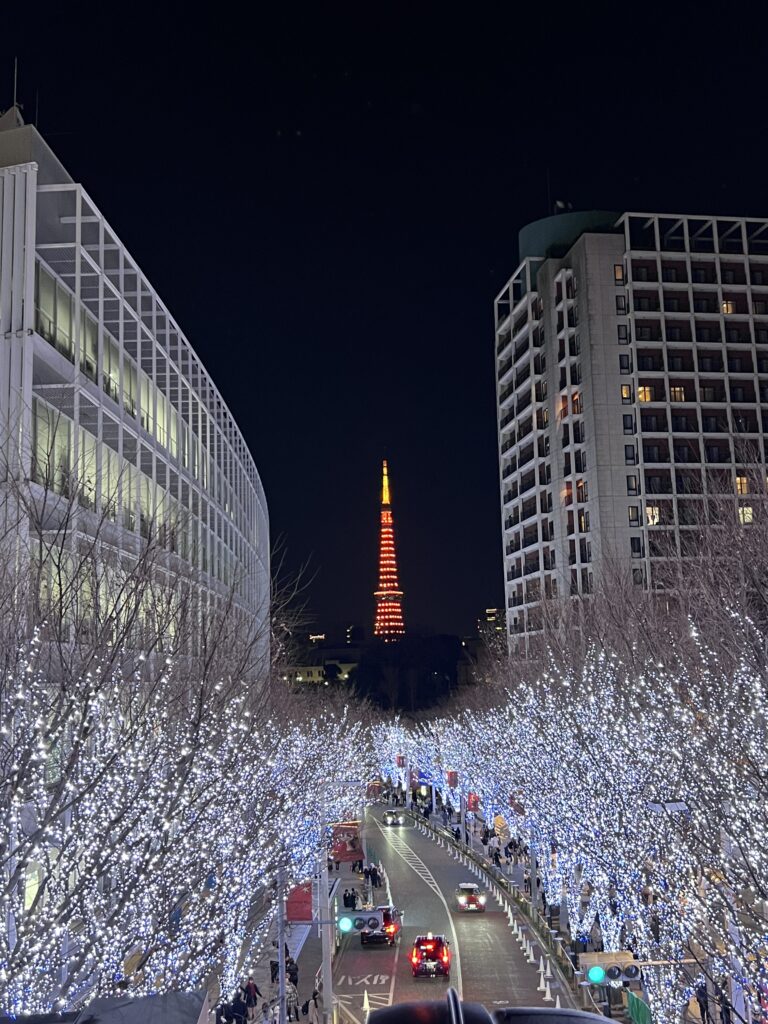
Best Places to Stay in Roppongi
Budget Hotels:
Roppongi Hotel S
Pros: Affordable for the area; stylish design with a boutique feel; close to Roppongi Hills and art museums.
Cons: Limited amenities; rooms can be small; can get noisy due to the lively neighborhood.
APA Hotel Roppongi-Ekimae
Pros: Modern and efficient; close to Roppongi Station; budget-friendly chain hotel.
Cons: Very small rooms; basic amenities; not ideal for longer stays.
Mid-Range Hotels:
Candeo Hotels Tokyo Roppongi
Pros: Rooftop spa with a great view; clean and modern rooms; good breakfast options.
Cons: Can be pricey for a mid-range hotel; not as spacious as luxury accommodations; limited in-room dining options.
Luxury Hotels:
Grand Hyatt Tokyo
Pros: Prime location in Roppongi Hills; luxurious rooms with modern amenities; fantastic pool and spa.
Cons: Expensive, even for Roppongi; can feel corporate; hotel dining is high-end and costly.
Stay at the Grand Hyatt! Book Now
ANA InterContinental Tokyo
Pros: Gorgeous views; spacious, luxurious rooms; on-site Michelin-starred dining at Pierre Gagnaire.
Cons: High price point; a bit of a walk from the main nightlife areas; some parts of the hotel feel dated.
Top Sites in Roppongi
Mori Art Museum
Located at the top of Roppongi Hills, the Mori Art Museum offers incredible contemporary art exhibitions. The bonus? The Tokyo City View observation deck. It’s one of the best places to catch a sunset over the city. Self-care tip: Spend some quiet time reflecting on the art and take in the breathtaking view.
Tokyo Midtown
A sleek, modern complex with upscale shopping, restaurants, and the Suntory Museum of Art. There’s also a lovely garden and public art installations. It’s perfect for a solo afternoon of browsing, eating, and people-watching. Don’t miss the seasonal illuminations in winter!
National Art Center, Tokyo
A stunning architectural marvel and one of the largest exhibition spaces in Japan. The rotating exhibits mean there’s always something new to see. Even if you’re not a big art fan, the cafe and gift shop are worth a visit. Self-care tip: Enjoy a quiet coffee in the museum’s beautiful atrium.
Roppongi Hills
This mega-complex includes the Mori Tower, luxury boutiques, and the serene Mohri Garden. Take a stroll through the garden if you need a break from the bustling energy of Roppongi. The area also has some great dining options and a cinema if you want a relaxed evening.
Tokyo Tower
Just a short walk or train ride from Roppongi, Tokyo Tower is an iconic landmark. Head to the observation decks for panoramic views of the city. The tower lights up beautifully at night, making it a fantastic spot for photos or a calming evening walk.
Get your discounted ticket to Tokyo Tower Now!
Restaurants in Roppongi
- Gonpachi:
Known as the “Kill Bill” restaurant, Gonpachi serves delicious Japanese cuisine, including yakitori. The rustic decor and lively atmosphere make it a fun solo dining experience. Try the tempura or sushi and enjoy the buzzing energy. - Roppongi Kushi Katsu:
A casual spot specializing in fried skewers (kushi katsu). It’s affordable, fun, and perfect for grabbing a quick meal before heading out to explore. The laid-back vibe makes it great for solo travelers. - Sukiyabashi Jiro Roppongi:
A Michelin-starred sushi experience that’s unforgettable. While pricey, it’s a once-in-a-lifetime meal for sushi lovers. Reservations are a must, and dining alone is common in Japan, so don’t feel intimidated.
Top Tips for Staying in Roppongi
- Stay Alert at Night: While Roppongi is generally safe, the nightlife can get wild. Avoid accepting drinks from strangers and steer clear of aggressive club promoters.
- Dress Comfortably for Museums: Roppongi’s art scene involves a lot of walking. Wear comfy shoes and bring a small backpack for water and snacks.
- Explore Day and Night: Roppongi feels like two different worlds. During the day, it’s all about art and culture, while at night, it transforms into a party district. Experience both if you can!
Self-Care Tips for Solo Female Travelers in Roppongi
- Spa Day at The Ritz-Carlton: Even if you’re not staying there, book a spa treatment for a luxurious self-care day. The views and atmosphere will leave you feeling refreshed and pampered.
- Yoga in the Park: If you’re visiting Tokyo Midtown, bring a yoga mat and enjoy a morning stretch session in the garden. It’s a peaceful way to start the day.
- Solo Dining Mindfully: Embrace the solo dining experience by choosing a high-end restaurant and savoring each dish. Dining alone can be empowering, especially in a food-centric place like Roppongi.
Don’t miss the views from Tokyo Tower. Book your ticket now!
Ueno
Best for: budget travelers, museums, parks, culture
Why Stay in Ueno?
Ueno is the perfect neighborhood for culture enthusiasts and budget-conscious travelers. Known for its expansive park, top-tier museums, and old-world charm, Ueno offers a more relaxed and traditional Tokyo experience.
It’s a great spot for solo female travelers who want to immerse themselves in Japanese history, art, and nature without breaking the bank.
Plus, the area is less crowded and touristy compared to Shinjuku or Shibuya, making it ideal for leisurely explorations.
Pros and Cons of Staying in Ueno
Pros:
- Rich in Culture: Ueno is home to some of Tokyo’s best museums and historic attractions.
- Affordable: Plenty of budget-friendly accommodation, street food, and dining options.
- Beautiful Green Spaces: Ueno Park provides a peaceful escape from the city’s hustle and bustle.
Cons:
- Less Nightlife: Ueno is quieter in the evenings, with limited entertainment options.
- Older Area: The neighborhood has a more traditional feel, which may not appeal to those looking for modern experiences.
- Can Be Crowded During Peak Times: Popular attractions like Ueno Zoo and the cherry blossoms in Ueno Park can draw big crowds.
Best Places to Stay in Ueno
Budget Hotels:
Ueno First City Hotel
Pros: Convenient location near Ueno Park; clean and basic rooms; friendly and helpful staff.
Cons: Dated decor; limited amenities; rooms can be small and lack modern features.
Check out the deals and book here!
Hotel Sardonyx Ueno
Pros: Budget-friendly with a central location; free breakfast; comfortable and clean rooms.
Cons: Rooms are compact; can be noisy if your room faces the main street; basic decor and amenities.
Mid-Range Hotels:
Mitsui Garden Hotel Ueno
Pros: Modern, comfortable rooms; fantastic view of Ueno Park; good breakfast buffet.
Cons: Can be pricey for a mid-range hotel; small room sizes; limited wellness facilities.
Check out this hotel near the Park!
Hotel Sunroute Stellar Ueno
Pros: Spacious rooms for Tokyo standards; friendly staff; located right next to Ueno Station.
Cons: Decor is a bit outdated; no gym or spa; limited in-house dining options.
Don’t miss out on this location! Book Now
Top Sites in Ueno
Ueno Park
One of Tokyo’s largest and most famous parks, Ueno Park is a haven for solo travelers looking to unwind. It’s especially beautiful during cherry blossom season, when the park becomes a sea of pink.
The park also hosts street performers, art exhibitions, and plenty of spots to sit and people-watch.
Self-care tip: Pack a picnic or a bento box and find a quiet spot under the cherry trees.
Tokyo National Museum
Japan’s oldest and most prestigious museum, featuring samurai armor, ancient art, and fascinating cultural artifacts. It’s a must-visit for history buffs.
Take your time exploring the exhibits, and don’t rush—solo museum visits are perfect for going at your own pace.
Ueno Zoo
The oldest zoo in Japan, famous for its pandas. It’s a fun and lighthearted stop, but be aware that it can get crowded, especially on weekends. If you love animals, it’s a pleasant way to spend a few hours. However, keep in mind that the zoo is quite spread out, so wear comfortable shoes.
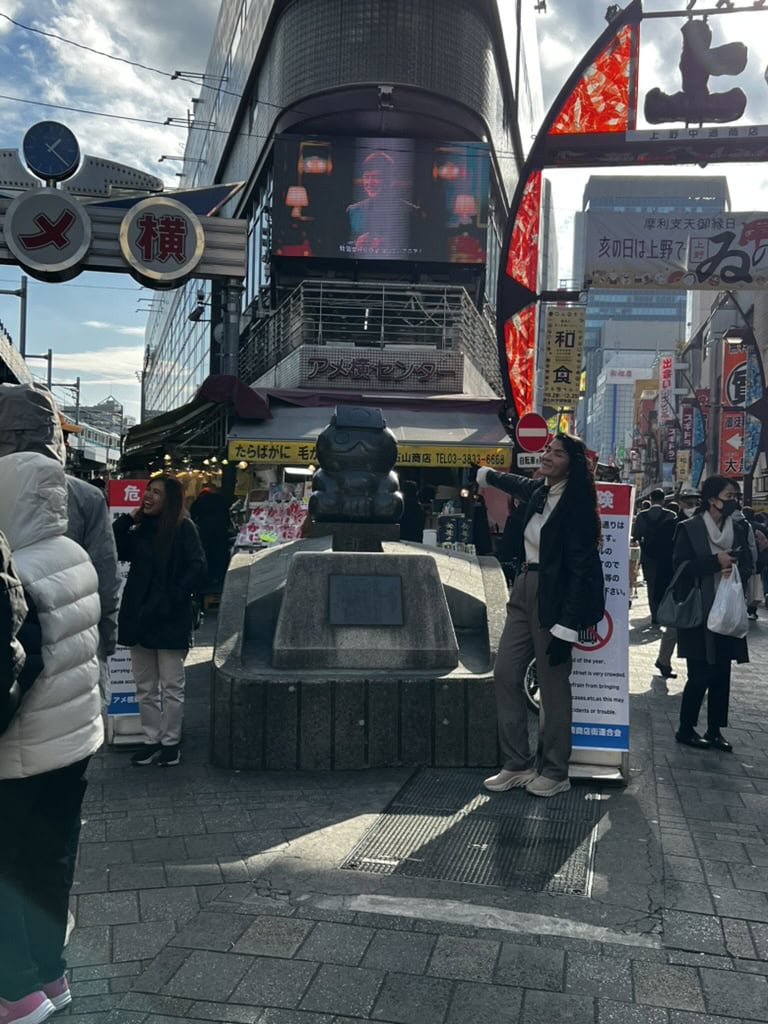
Ameyoko Market
An open-air market where you can shop for everything from fresh seafood to souvenirs. The market has a vibrant, lively atmosphere that’s fun to explore solo.
Try some street food and chat with the vendors—they’re usually friendly and happy to share their recommendations.
Shinobazu Pond
Located in Ueno Park, this picturesque pond is surrounded by lush greenery and lotus flowers in the summer. Rent a swan boat for a fun and peaceful solo adventure, or simply enjoy a walk around the pond. The nearby Bentendo Temple, situated on an island in the middle of the pond, is also worth a visit.
Restaurants in Ueno
- Ichiran Ueno:
Famous for its tonkotsu ramen, Ichiran is perfect for solo travelers. You’ll be seated in individual booths, allowing you to focus on the flavors of the ramen without any distractions. The experience is unique, and the ramen is consistently delicious. - Torikizoku:
A popular yakitori (grilled chicken skewers) chain that’s budget-friendly and welcoming to solo diners. The menu is straightforward, and the lively atmosphere makes it a great place to relax and enjoy a meal after a day of exploring. - Hard Rock Cafe Ueno Station:
If you’re craving some comfort food from home, Hard Rock Cafe is a fun, familiar spot. It’s a bit touristy, but the staff are friendly, and the classic rock music adds to the upbeat vibe. It’s also a good place to meet other travelers.
Top Tips for Staying in Ueno
- Morning Museum Visits: Arrive early to beat the crowds at popular museums like the Tokyo National Museum. You’ll have a more relaxed and enjoyable experience.
- Explore Ueno Park: The park is beautiful in every season, but spring and autumn are especially lovely. If you’re into photography, bring your camera for some incredible shots.
- Stay Hydrated: If you’re visiting in the summer, remember to stay hydrated and take breaks in shaded areas. Ueno Park has plenty of spots to sit and cool off.
Self-Care Tips for Solo Female Travelers in Ueno
- Take a Leisurely Walk: Spend a slow afternoon wandering through Ueno Park. Listen to a calming playlist or a podcast as you explore the trails and admire the scenery.
- Visit a Tea House: Experience a traditional Japanese tea ceremony in one of Ueno’s tea houses. It’s a meditative experience that will leave you feeling centered and refreshed.
- Quiet Time at Shinobazu Pond: Rent a swan boat or sit by the water and journal. Reflect on your travels, or just enjoy the stillness of the pond.
This Ueno Park and Yanaka Tour for a look at the older Tokyo and a chance to do something different- Book now!

How to Get to Tokyo: Navigating Haneda and Narita Airports
Tokyo has two major international airports: Haneda Airport and Narita Airport.
Both airports offer various transportation options to reach central Tokyo, and knowing the differences can help you plan the most efficient and stress-free arrival.
Here’s what you need to know:
Haneda Airport (HND)
Haneda Airport is the closest airport to central Tokyo, located just about 30 minutes away. It’s a popular choice for travelers who want a quick and easy arrival, and it’s also known for having a clean, modern, and well-organized layout.
Solo female travelers will find plenty of signage in English and accessible facilities, making it a convenient and safe airport to navigate
Transportation Options:
Tokyo Monorail:
- Pros: The Tokyo Monorail is one of the fastest and most scenic ways to get into the city. It runs every few minutes and connects Haneda Airport to Hamamatsucho Station, where you can transfer to the JR Yamanote Line.
- Cons: If you have a lot of luggage, transferring trains may be a bit cumbersome. However, the ride is short and efficient.
- Self-Care Tip: Try to grab a window seat and enjoy views of Tokyo Bay as you approach the city.
Keikyu Line:
Pros: A direct and affordable train option that takes you to Shinagawa Station or connects you to the Asakusa Line. It’s great for travelers staying in southern or central parts of Tokyo.
Cons: It can get crowded during rush hours, so if you’re arriving in the morning or late afternoon, be prepared.
Self-Care Tip: Pack a small snack or a bottle of water to stay hydrated, especially after a long flight.
Airport Limousine Bus:
Pros: Ideal if you have heavy luggage or prefer a door-to-door service. The bus takes you directly to major hotels and landmarks in Tokyo.
Cons: Traffic can be unpredictable, especially during peak hours, so the ride may take longer than expected.
Self-Care Tip: Take a moment to relax and enjoy the views of the city. Use this time to mentally prepare for your adventures ahead.
This is my favorite way to get from the airport to Tokyo. Prebook your ticket for the Airport Limousine Bus and Save!
Taxi or Private Transfer:
Pros: A hassle-free option that takes you directly to your accommodation. This is a great choice for first-time visitors or those arriving late at night.
Cons: Taxis from Haneda to central Tokyo can be expensive, but a private transfer can be more affordable if booked in advance.
🚖 Skip the stress of figuring out trains after a long flight. book your private transfer from Haneda to Tokyo
Narita Airport (NRT)
Narita Airport is located about 60 kilometers (37 miles) from central Tokyo, making the journey into the city longer but still manageable.
The airport is well-equipped and organized, with plenty of amenities for travelers. If you have a layover or need a break, Narita offers rest areas, showers, and even cultural exhibits
Transportation Options:
Narita Express (N’EX)
- Pros: A direct and comfortable train that connects Narita Airport to major stations like Tokyo, Shibuya, Shinjuku, and Yokohama. It’s equipped with luggage storage areas and spacious seating.
- Cons: More expensive than local trains, but worth it for the convenience.
- Self-Care Tip: Book your ticket in advance to secure a window seat. The ride is smooth and offers views of the countryside as you approach the city. Use the quiet time to rest or catch up on reading.
🚆 Get from Narita Airport to central Tokyo in under an hour — book your Narita Express (N’EX) ticket now and skip the hassle.
Keisei Skyliner:
Pros: One of the fastest ways to reach Ueno or Nippori Station, taking only about 40 minutes. Great for travelers staying in northeastern Tokyo.
Cons: Limited routes compared to the Narita Express, but very efficient for its destinations.
Self-Care Tip: Treat yourself to a snack from the airport before boarding. Skyliner seats are comfortable, and it’s a good time to refresh and recharge.
🚆 Fast, affordable, and reliable — grab your Keisei Skyliner Ticket before you fly.
Airport Limousine Bus:
Pros: A convenient, stress-free option that drops you off at major hotels and landmarks. The buses are clean, comfortable, and equipped with free Wi-Fi.
Cons: The journey can take longer, especially during rush hour. It’s not the best choice if you’re in a hurry.
Self-Care Tip: Take advantage of the free Wi-Fi to catch up on messages or map out your travel plans. Use the ride as an opportunity to rest and prepare for your Tokyo adventure.
🚌 Skip the hassle of hauling bags on trains — book your Narita Airport Limousine Bus and get dropped off right at major hotels in Tokyo.
Local Trains:
Pros: The cheapest way to get into the city, ideal for budget travelers. Options like the JR Sobu Line take longer but save money.
Cons: These trains are slower and less comfortable than express options. They can also be confusing if you’re not familiar with the Tokyo train system.
Self-Care Tip: If you’re opting for a local train, be sure to download a train app (like Japan Travel by NAVITIME) to avoid confusion and plan your route efficiently
Tips for a Smooth Arrival in Tokyo
- Buy a Suica or Pasmo Card:
These prepaid IC cards make traveling on public transportation seamless. You can use them for trains, buses, and even in some convenience stores. They save time and are super convenient, especially when navigating the busy stations in Tokyo.
TIP- If you have an iPhone you can add this to your apple wallet! - Stay Hydrated and Eat:
After a long flight, make sure to hydrate and grab a light snack. Both airports have plenty of options, from vending machines to cafes. Self-care starts the moment you land! - Use Airport Facilities:
Both Haneda and Narita offer luggage storage, shower facilities, and rest areas. If you need to freshen up or wait for your check-in time, take advantage of these services. Solo female travelers will appreciate the safe and clean environment. - Navigation Apps Are Your Friend:
Download apps like Google Maps or Japan Travel by NAVITIME to help you get around easily. Japanese train stations can be overwhelming, so having an app will make your journey smoother.
This is my favorite way to get from the airport to Tokyo. Prebook your ticket for the Airport Limousine Bus and Save!
Best Time to Visit Tokyo
Tokyo is a vibrant city with something to offer year-round, but certain seasons are particularly magical. The best times to visit are spring (March to May) and fall (September to November), when the weather is mild and the city is bursting with stunning natural beauty.
Spring (March to May): The Magic of Cherry Blossoms
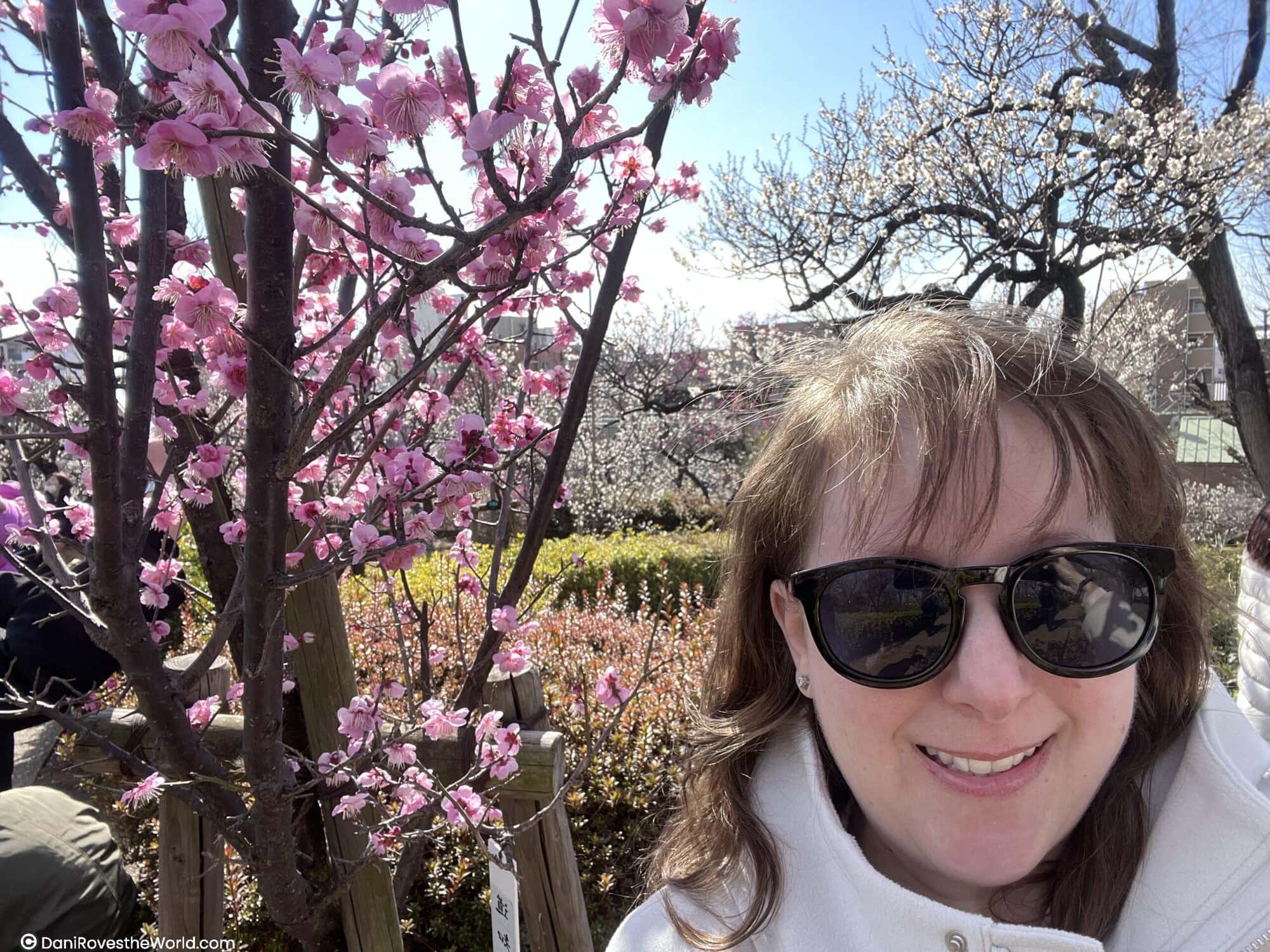
Spring is one of the most enchanting times to visit Tokyo, thanks to the famous cherry blossom season, known as sakura.
The entire city comes alive with delicate pink and white blossoms, creating a dreamy atmosphere that’s perfect for sightseeing and photography.
Parks, streets, and riversides transform into picturesque scenes, making this season incredibly popular among locals and tourists alike
Weather and What to Pack:
- Average Temperatures: 50°F to 68°F (10°C to 20°C)
- The weather is generally pleasant, but early spring can be a bit chilly, especially in the evenings. Bring layers, including a light jacket or sweater, and comfortable shoes for all the walking you’ll do.
- A small umbrella or a lightweight rain jacket is also a good idea, as spring showers are common.
Cherry Blossom Hotspots:
- Ueno Park: One of the most popular spots to see cherry blossoms, with over 1,000 sakura trees. Arrive early to avoid crowds and find a peaceful spot to enjoy a picnic.
- Shinjuku Gyoen National Garden: A spacious, beautifully landscaped park that’s perfect for solo travelers looking for a quieter experience. Bring a book or journal and spend a calming afternoon surrounded by blooming flowers.
- Meguro River: The riverbanks are lined with cherry trees that create a breathtaking tunnel of blossoms. Visit in the evening for the illuminated sakura, a magical sight that feels like a dream.
Self-Care Tip for Spring:
- Hanami (Flower Viewing): Participate in the traditional Japanese practice of hanami by having a solo picnic under the cherry blossoms.
Pack a bento box from a local convenience store and a thermos of green tea. Take time to soak in the beauty and reflect on your travels.
Pros of Visiting in Spring:
- Cherry Blossoms: A bucket-list experience that you won’t want to miss.
- Festivals and Events: Spring is full of exciting festivals, from the Sumida Park Sakura Festival to the Kanda Matsuri.
- Perfect for Outdoor Activities: The mild weather makes it ideal for exploring parks, gardens, and outdoor markets.
Cons of Visiting in Spring:
- Crowds: Cherry blossom season attracts large crowds, so expect busy parks and popular spots to be packed with visitors.
- Higher Prices: Accommodation can be more expensive, and it’s best to book hotels and tours well in advance.
Fall (September to November): The Beauty of Autumn Leaves
Fall in Tokyo is a spectacular season characterized by crisp air, blue skies, and the vibrant colors of autumn leaves, known as koyo.
The city’s parks and gardens burst into shades of red, orange, and gold, providing a stunning backdrop for leisurely walks and sightseeing. It’s a more relaxed and less touristy experience compared to spring, making it ideal for solo female travelers who prefer a quieter atmosphere.
Weather and What to Pack:
- Average Temperatures: 54°F to 73°F (12°C to 23°C)
- The weather is mild and comfortable, perfect for exploring the city on foot. Pack layers, as mornings and evenings can be cool, while daytime temperatures are pleasantly warm.
- Don’t forget a scarf or shawl for extra warmth, and pack a good pair of walking shoes for park visits and city tours.
Autumn Foliage Hotspots:
- Yoyogi Park: A beautiful, spacious park with vibrant autumn colors. It’s great for a solo stroll or a morning run, and you can grab a coffee nearby to sip as you enjoy the scenery.
- Koishikawa Korakuen Garden: One of Tokyo’s oldest and most stunning gardens, especially in the fall. The maple and ginkgo trees create a breathtaking display, making it a perfect spot for photography or quiet reflection.
- Mount Takao: Just an hour outside of central Tokyo, Mount Takao is a fantastic day trip for hiking and autumn leaf viewing. The trails are well-marked and safe for solo travelers, and the view from the top is worth the hike.
Self-Care Tip for Fall:
- Mindful Walking: Take a leisurely walk through one of Tokyo’s serene gardens or parks. Focus on the sound of the leaves crunching under your feet and the crisp autumn air.
It’s a wonderful way to practice mindfulness and connect with nature.
Pros of Visiting in Fall:
- Beautiful Foliage: The autumn colors create a stunning landscape for sightseeing and photography.
- Comfortable Weather: Ideal for outdoor activities and exploring Tokyo’s many neighborhoods.
- Seasonal Foods: Enjoy fall specialties like sweet potatoes, chestnuts, and persimmons. Try roasted sweet potato from a street vendor—it’s a warm and comforting snack.
Cons of Visiting in Fall:
- Unpredictable Weather: The beginning of fall (September) can still be rainy and humid, with the occasional typhoon. By late October and November, the weather is more stable.
- Shorter Days: As winter approaches, the days get shorter, which means fewer daylight hours for sightseeing.
Other Seasons to Consider
Summer (June to August):
- Pros: Festivals, fireworks, and lively summer events like the Sumida River Fireworks Festival.
- Cons: Hot, humid, and often rainy. Summer in Tokyo can be intense, with temperatures regularly exceeding 90°F (32°C).
If you visit in summer, plan for indoor activities during the hottest part of the day and carry a handheld fan and a water bottle.
Winter (December to February):
- Pros: Clear, crisp weather with views of Mount Fuji on a sunny day. Fewer tourists, making it easier to visit popular attractions. Illuminations and festive events bring a magical touch to the city.
- Cons: Cold and dry, with temperatures ranging from 30°F to 50°F (-1°C to 10°C). Some outdoor attractions may not be as enjoyable, and daylight hours are shorter.
Be sure to pack a warm coat, gloves, and a hat if you visit in winter.
Self-Care Ideas for Any Season
- Enjoy a Hot Spring or Onsen: No matter when you visit, soaking in a hot spring is a must for self-care. Head to an onsen in the city or take a day trip to a nearby hot spring town like Hakone.
- Indulge in Seasonal Treats: Tokyo’s food scene changes with the seasons, so make it a point to try seasonal desserts and specialties. Visit a department store food hall (depachika) to explore a wide variety of options.
- Practice Mindfulness in Nature: Whether you’re viewing cherry blossoms in spring or autumn leaves in fall, take a moment to breathe deeply and be present. Tokyo’s parks and gardens are perfect for this.
🚖 Skip the stress of figuring out trains after a long flight — book your private transfer from Haneda to Tokyo
FAQs About Neighborhoods in Tokyo
What is the best area to stay in Tokyo for first-time visitors?
Shinjuku and Shibuya are top picks for first-timers thanks to their central location, nightlife, and easy access to major attractions. If you want convenience and energy, stay in Shinjuku. For trendy vibes and shopping, Shibuya is perfect. Both areas have hotels for every budget from hostels to luxury stays.
Where should I stay in Tokyo on a budget?
Asakusa and Ueno are ideal for budget travelers. Asakusa offers hostels and affordable ryokans near Sensoji Temple, while Ueno has budget hotels and plenty of street food around Ueno Park. Both areas are well connected to the subway and JR lines.
What is the safest neighborhood to stay in Tokyo for solo female travelers?
Tokyo is one of the safest cities in the world, but Ginza, and Shibuya are especially good options thanks to their well lit streets, 24/7 shops, and easy transportation. Many hotels also offer women only floors or capsule hotels designed specifically for female travelers.
Where to stay in Tokyo for nightlife?
Shinjuku, Shibuya, and Roppongi are nightlife hubs. Shinjuku offers Golden Gai’s tiny themed bars, Shibuya has a youthful club scene, and Roppongi attracts an international crowd with upscale lounges and clubs. If nightlife is your priority, book a hotel in one of these districts.
What is the best area to stay in Tokyo for luxury hotels?
For high end stays, Ginza and Roppongi are unbeatable. Ginza offers five star hotels surrounded by Michelin dining and luxury shopping, while Roppongi has international chains with spas, rooftop views, and fine dining. Perfect if you want to treat yourself.
Final Thoughts
Choosing where to stay in Tokyo can truly shape your entire experience in this vibrant city.
Whether you’re drawn to the neon-lit streets of Shinjuku, or the cultural richness of Ueno, there’s a neighborhood that’s just right for you.
Think about your travel style, do you crave exciting nightlife, deep cultural immersion, or a peaceful area where you can unwind? Tokyo’s diversity means there’s a perfect spot for every type of traveler.
I hope this guide has given you some clarity and confidence as you plan your trip. Tokyo can be overwhelming, but it’s also a city that welcomes solo female travelers with open arms.
Remember, it’s not just about where you stay but how you experience each neighborhood. Take your time, practice self-care, and savor every moment in this unforgettable city.
I’d love to hear from you! Comment below on your favorite Tokyo neighborhood or where you’re planning to stay. Let’s swap travel tips and stories!
