
Dani Roves the World contains affiliate links and is a member of the Amazon Services LLC Associates Program. If you make a purchase using one of the Amazon or affiliate links, I may receive a small compensation at no extra cost to you. See my Disclosure Policy for more information.
Tokyo is one of those cities that completely sweeps you off your feet.
Even after living in Tokyo, I’m still discovering new corners of the city, hidden ramen counters in quiet alleys, peaceful shrines tucked between skyscrapers, and neighborhoods that feel like completely different worlds just a few train stops apart.
For first-time visitors, Tokyo can feel overwhelming at first. The city is massive, the train system looks complicated, and there are endless things to do.
The secret is simple: explore Tokyo neighborhood by neighborhood.
This 1 week Tokyo itinerary is designed to help you experience the best of the city without feeling rushed.
During these seven days you’ll experience:
• iconic neighborhoods like Shibuya and Shinjuku
• historic temples in Asakusa
• Tokyo’s incredible food scene
• unique cultural experiences like sumo and tea ceremonies
• a day trip outside the city
If this is your first time visiting Japan, this itinerary will help you experience both traditional and modern Tokyo while navigating the city confidently.
Private Kick start tour with a local- 3 to 6 hours- Click Here
Private Kick Start Tour– 7.5 hours- Click Here
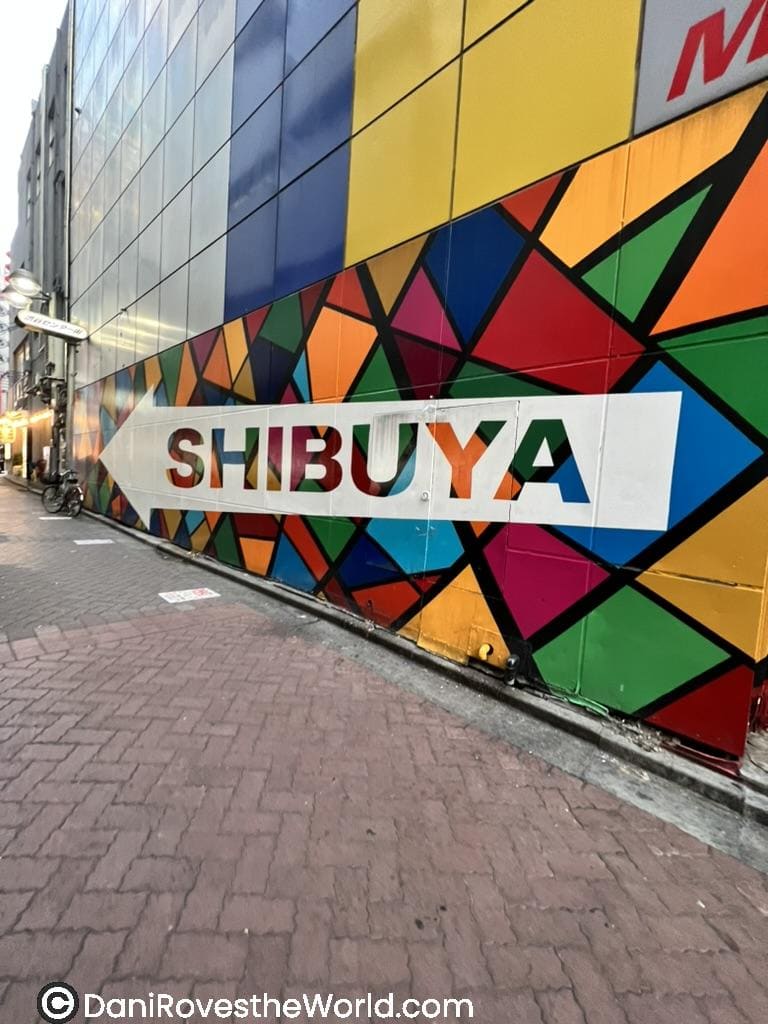
Day 1: Shibuya, Harajuku, and Meiji Shrine
Your first day in Tokyo is all about experiencing the city’s energy. Shibuya and Harajuku are two of the most famous neighborhoods in Tokyo and a perfect introduction to the city.
These areas are also extremely close together, which makes them ideal for your first day while you’re still getting comfortable navigating Tokyo’s train system.
Morning: Shibuya Crossing and Shibuya Sky
Start your morning at Shibuya Crossing, the most famous intersection in the world.
Watching thousands of people cross from every direction at once is one of those experiences that perfectly captures the energy of Tokyo.
Morning Coffee
Streamer Coffee Company: One of Tokyo’s best coffee shops and famous for their military latte. It’s a perfect first stop after Shibuya Crossing.
After crossing, head to Shibuya Sky, one of the best observation decks in the city.
The rooftop platform offers 360-degree views of Tokyo, and on a clear day you can even see Mount Fuji in the distance.
👉 Reserve your Shibuya Sky ticket before slots sell out
Lunch
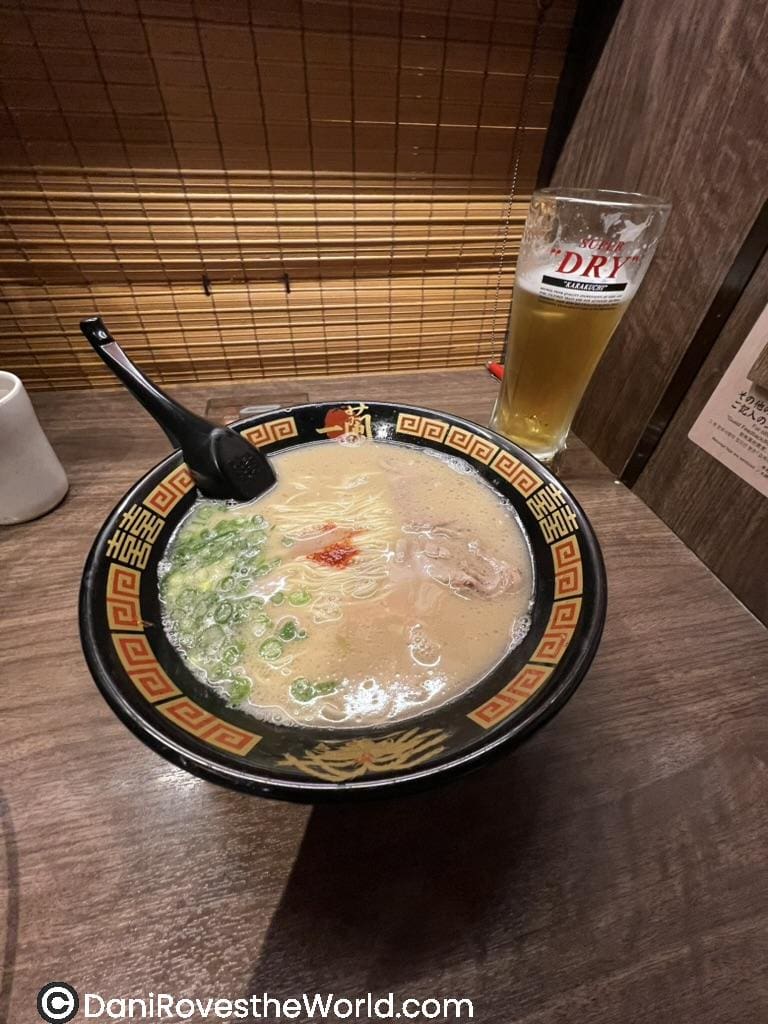
Head to Ichiran Ramen (multiple locations) for their famous Hakata-style tonkotsu ramen. You can even customize the spice level.
Tip: Order Extra Hot Peppers and an Extra Egg! It’s a solo-diner haven since you’ll order and eat in your own private booth
Go before the normal lunch crowd, lines will start early but move pretty quickly
Afternoon: Harajuku & Takeshita Street
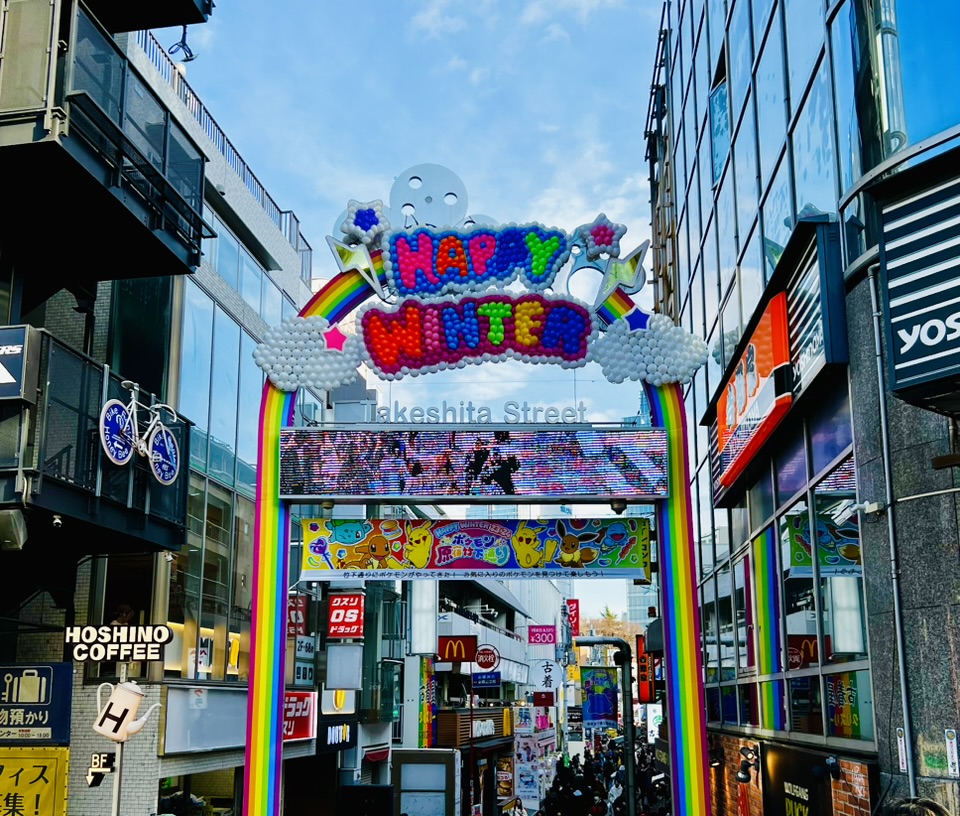
From Shibuya, walk about 15 minutes to Harajuku, Tokyo’s center of youth culture and street fashion.
Start at Takeshita Street, a narrow pedestrian street filled with quirky shops, colorful desserts, and themed cafes.
Grab a snack like a Harajuku crepe or rainbow cotton candy. It’s packed with quirky shops, themed cafés, and all things kawaii.
You might find yourself grabbing a rainbow cotton candy or snapping photos at one of the many selfie booths.
Late Afternoon: Meiji Shrine
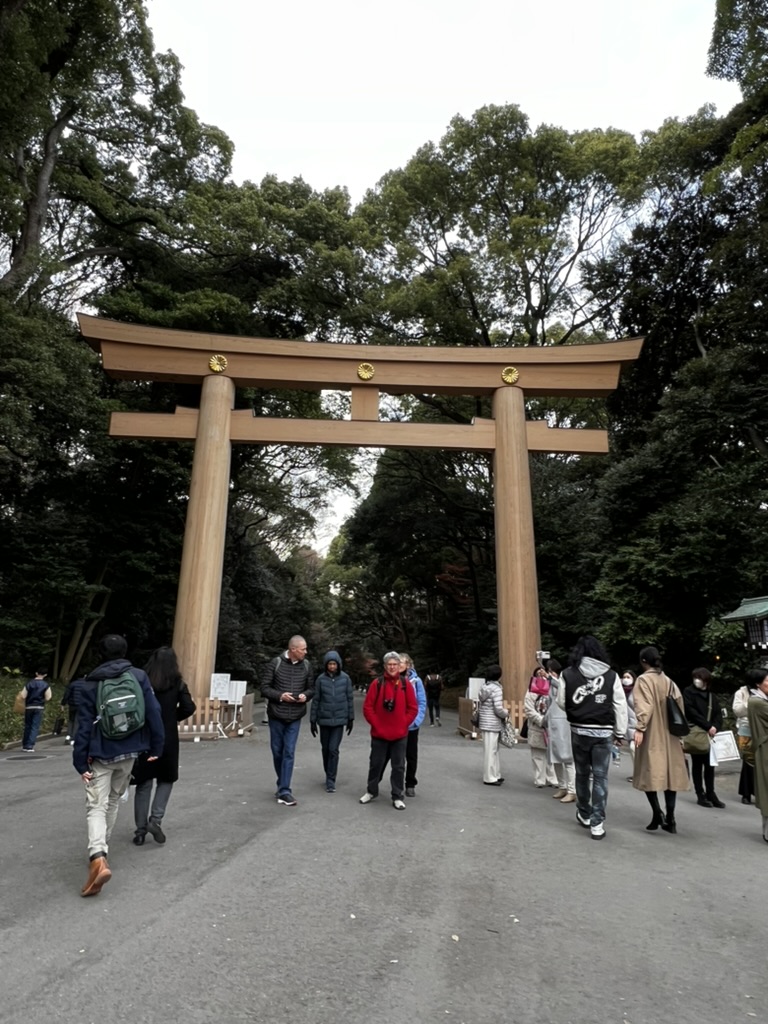
Walk through the forested path to Meiji Shrine, one of Tokyo’s most peaceful places.
When I lived in Tokyo, I often came here when the city felt overwhelming. The towering trees and quiet shrine grounds make it feel worlds away from the busy streets.
Evening
End your day with dinner at the Park Hyatt Tokyo (Shinjuku).
Splurge on a cocktail at the New York Bar, (yes from “Lost in Translation”) and enjoy the breathtaking views of the city skyline.
Tip: Arrive early to get a bar Seat!
Self- Care Alternate Activities:
Relax in Hamarikyu Gardens or Visit a Local Onsen
Day 2 — Asakusa & Ueno
Today you’ll explore historic Tokyo, starting with the city’s oldest temple and ending in one of Tokyo’s liveliest street markets.
Morning: Asakusa
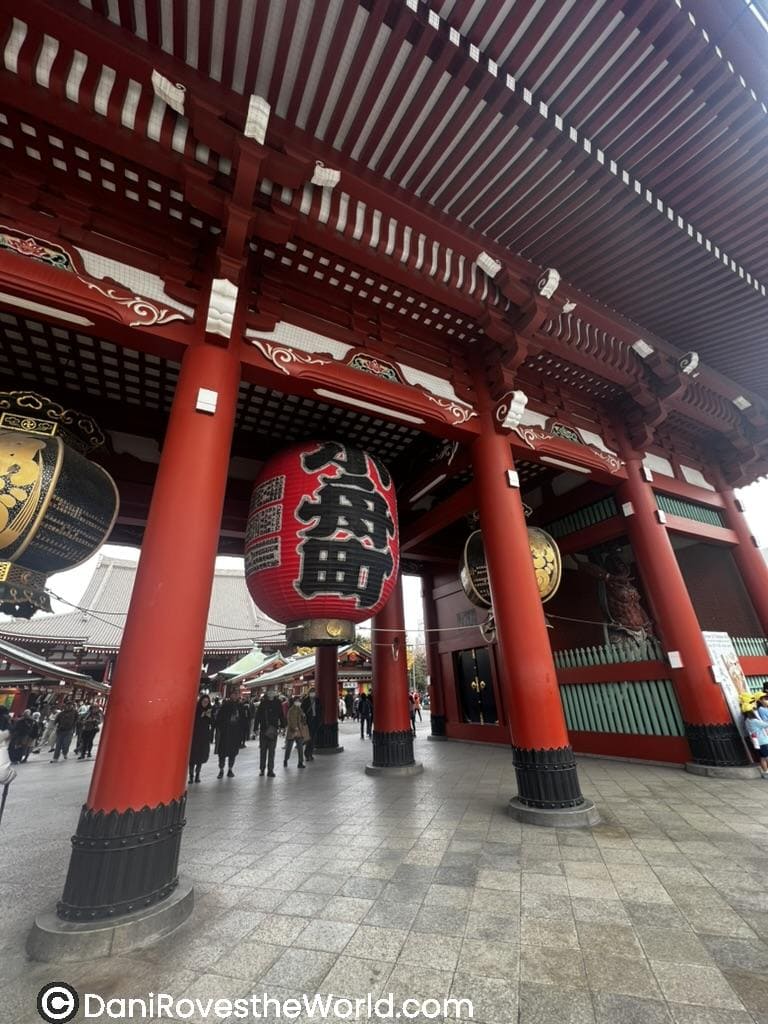
Start your morning in Asakusa, home to Tokyo’s oldest temple, Sensō-ji.
Walking through the massive red Kaminarimon Gate is one of those classic Tokyo moments. The giant lantern hanging above the entrance is one of the most photographed landmarks in the city.
Beyond the gate is Nakamise Street, a lively shopping street lined with traditional snack stalls and souvenir shops. This street has been serving visitors to the temple for centuries.
Optional Cultural Experience: Zen Meditation with a Monk
If you want a deeper cultural experience while visiting Asakusa, consider participating in a Zen meditation session at a private temple with a Buddhist monk.
This peaceful experience offers a rare chance to learn about Zen philosophy, meditation techniques, and daily temple life directly from a practicing monk.
It’s a completely different side of Tokyo that most visitors never see. During the session, you’ll sit in a traditional tatami room, learn breathing techniques used in Zen meditation, and gain insight into Buddhist practices that have shaped Japanese culture for centuries.
For many travelers, this ends up being one of the most memorable and calming experiences of their trip.
👉 Book the Zen Meditation Experience at a Tokyo Temple
Because the group sizes are small, it’s best to reserve your spot in advance.
Some snacks worth trying here:
• Fresh melon pan (sweet fluffy bread)
• Ningyo-yaki – small cakes filled with red bean paste
• Sweet rice crackers
One of my favorite places to grab melon pan here is Kagetsudo, which locals claim is the best in Tokyo.
Afternoon: Ueno Park & Tokyo National Museum
From Asakusa, take the Ginza Line to Ueno Station. The ride takes less than 10 minutes.
Ueno Park is one of the largest parks in Tokyo and a major cultural hub filled with museums, temples, and seasonal festivals.
When I lived in Tokyo, this was one of my favorite places to wander when I didn’t have a strict plan. There’s almost always something happening here.
Depending on the time of year you might find:
• food festivals
• cultural performances
• sake tastings
• cherry blossom celebrations
In the spring, Ueno Park becomes one of the most famous cherry blossom viewing spots in Japan.
Thousands of people gather under the blooming trees for hanami picnics, a Japanese tradition of celebrating the arrival of spring.
Things to See in Ueno Park
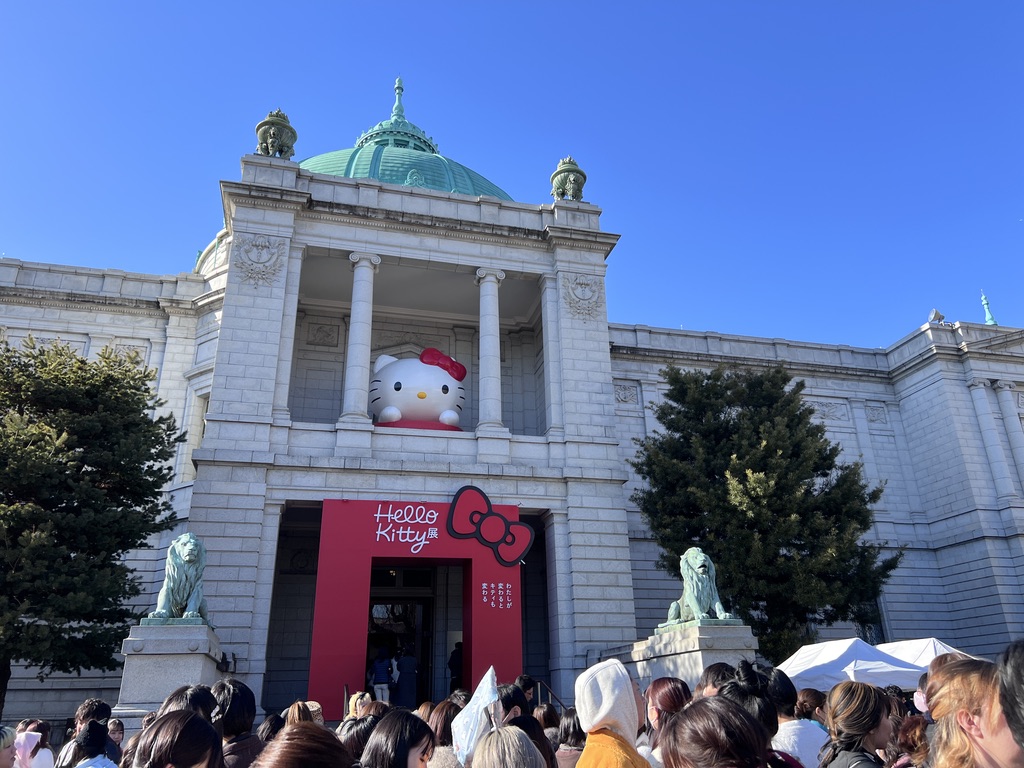
Tokyo National Museum
If you want to understand Japanese history and culture, this is one of the best museums in the country.
Inside you’ll find:
• samurai armor
• Buddhist statues
• ancient ceramics
• traditional calligraphy
Even if you only visit one building, it’s worth stepping inside.

Hanazono Inari Shrine
One of Ueno Park’s hidden gems is Hanazono Inari Shrine.
A row of bright red torii gates leads up to this small shrine, creating a mini version of Kyoto’s famous Fushimi Inari Shrine.
Most tourists walk right past it, but it’s one of the most photogenic spots in the park.
Shinobazu Pond
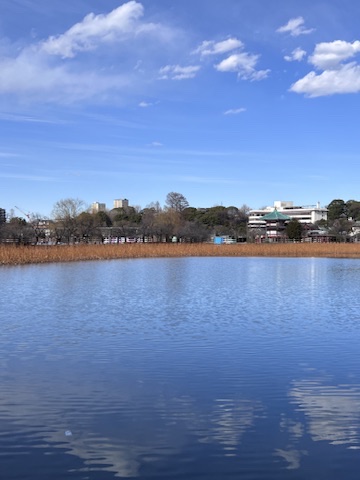
Located at the edge of the park, this peaceful pond is covered with lotus flowers in summer.
You’ll often see locals relaxing here or renting paddle boats.
Lunch: Street Food at Ameyoko Market
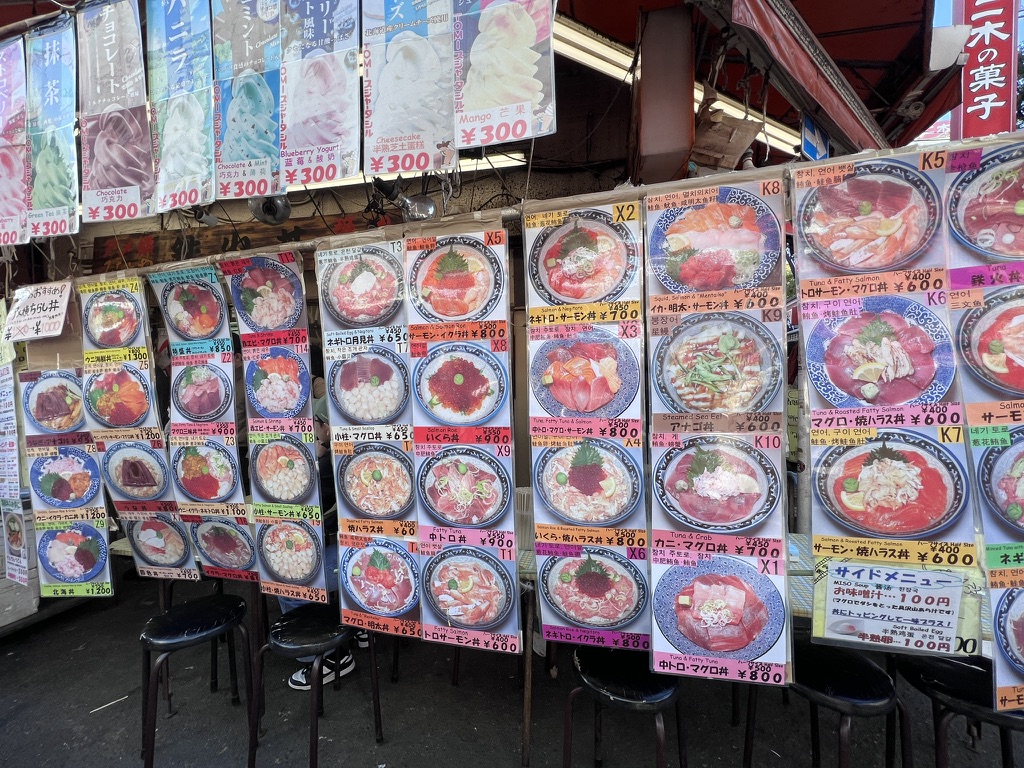
If you prefer something more casual, head straight to Ameyoko Market Street.
Here you can grab quick bites like:
• grilled seafood skewers
• takoyaki (octopus balls)
• yakitori
• fresh fruit cups
It’s the kind of place where you can walk, snack, and explore at the same time
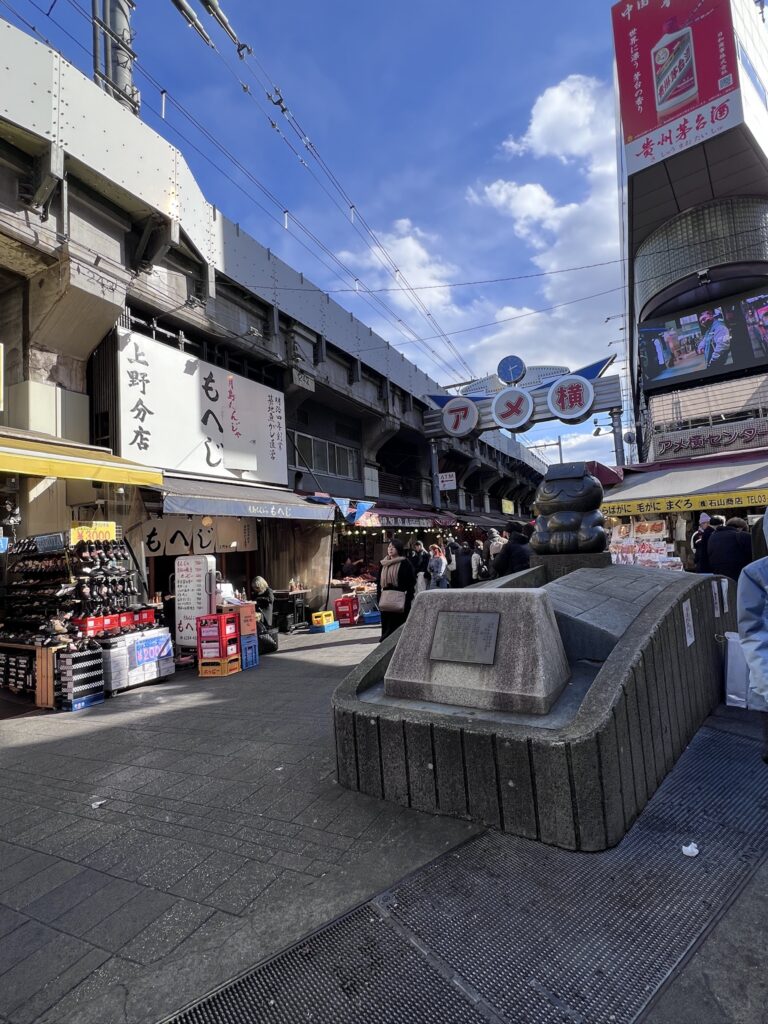
Evening in Ameyoko Market
As the afternoon turns into evening, head back toward Ameyoko Market Street.
This lively market street developed after World War II and still has the feeling of an open-air market.
It’s loud, chaotic, and full of energy one of the most fun places in Tokyo to wander.
You’ll find:
• seafood vendors grilling scallops
• tiny standing bars
• discount clothing stalls
• casual izakayas packed with locals
Dinner
For dinner, grab a seat at Torikizoku, a casual yakitori chain where every dish costs the same price.
It’s a great place to try:
• grilled chicken skewers
• noodles
• Japanese beer
• small plates perfect for sharing
Alternatively, simply wander into one of the tiny izakayas around Okachimachi Station.
Some of the best meals in Tokyo happen when you walk into a place that looks tiny and packed with locals.
Day 3 — Tsukiji Market & Ginza: Tokyo’s Food Scene


Day three is all about Tokyo’s incredible food culture.
Tokyo has more Michelin-starred restaurants than any other city in the world, but some of the best meals happen in simple market stalls and tiny restaurants tucked into narrow alleys.
Today you’ll explore Tsukiji Outer Market, try some of the freshest seafood in Japan, and then spend the afternoon wandering through the elegant shopping streets of Ginza.
Morning- Tsukiji Outer Market
Start your morning early at Tsukiji Outer Market, one of the most famous food markets in Japan.
While the wholesale fish auction moved to Toyosu in 2018, the outer market is still packed with incredible restaurants, seafood vendors, and food stalls.
Arriving early (around 8:00 AM) is the best way to avoid crowds and see the market at its liveliest.
Walking through the narrow alleys you’ll find vendors grilling seafood right in front of you.
Some must-try foods include:
• fresh tuna sashimi
• grilled scallops with butter
• tamagoyaki (Japanese omelet on a stick)
• uni (sea urchin)
• tuna sushi bowls
One of my favorite things about Tsukiji is that you can eat a little at multiple stalls instead of committing to one big meal.
If you want a deeper understanding of the market, joining a guided Tsukiji food tour can be a fantastic experience.
Local guides introduce you to vendors you would probably walk right past and explain the traditions behind many of the foods sold here
You’ll usually try 6–8 different dishes while learning about Japanese seafood culture.
👉 Join a Tsukiji Outer Market Food Tour
Food tours tend to sell out quickly because groups are small.
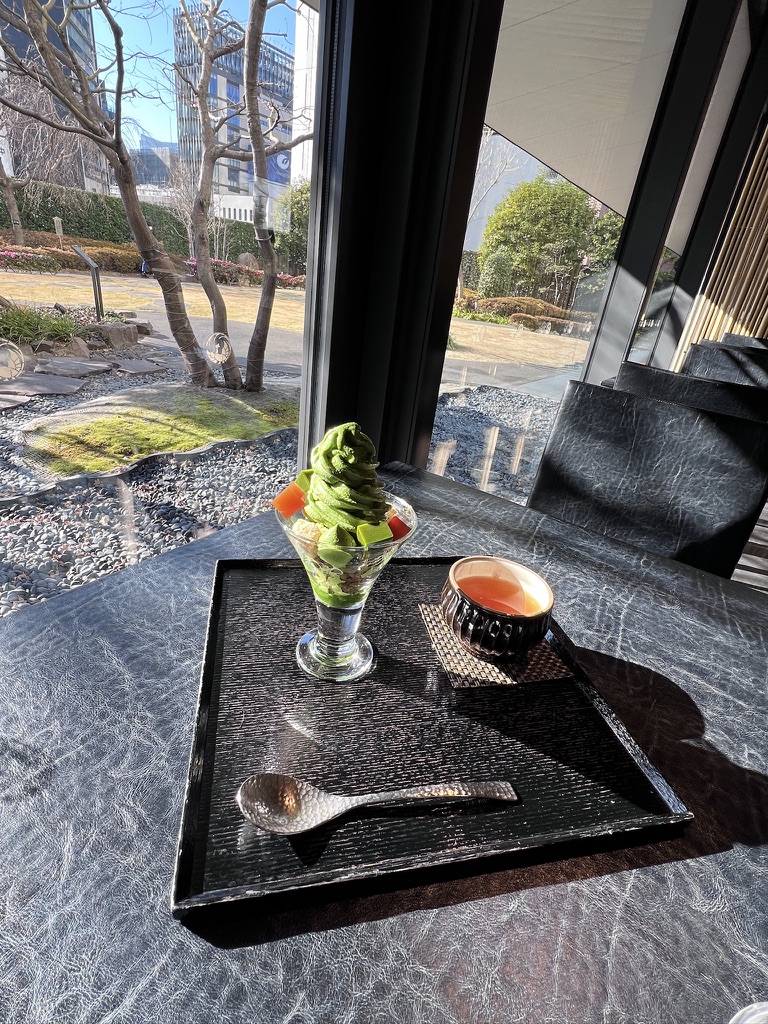
Afternoon Transition: Matcha Break on the Way to Ginza
After exploring Tsukiji, chances are you’ll already feel pretty full from all the seafood and street snacks. Instead of sitting down for a full lunch, this is the perfect time to take a short walk toward Ginza and stop for a relaxing matcha break.
One of my favorite things about Tokyo is how easy it is to stumble across quiet tea shops even in the middle of the city.
One great option is Jugetsudo, a beautiful tea shop specializing in high-quality Japanese tea and matcha desserts.
Here you can relax with:
- freshly whisked matcha
- matcha parfaits
- delicate wagashi sweets
It’s a peaceful break before continuing your afternoon exploring Ginza.
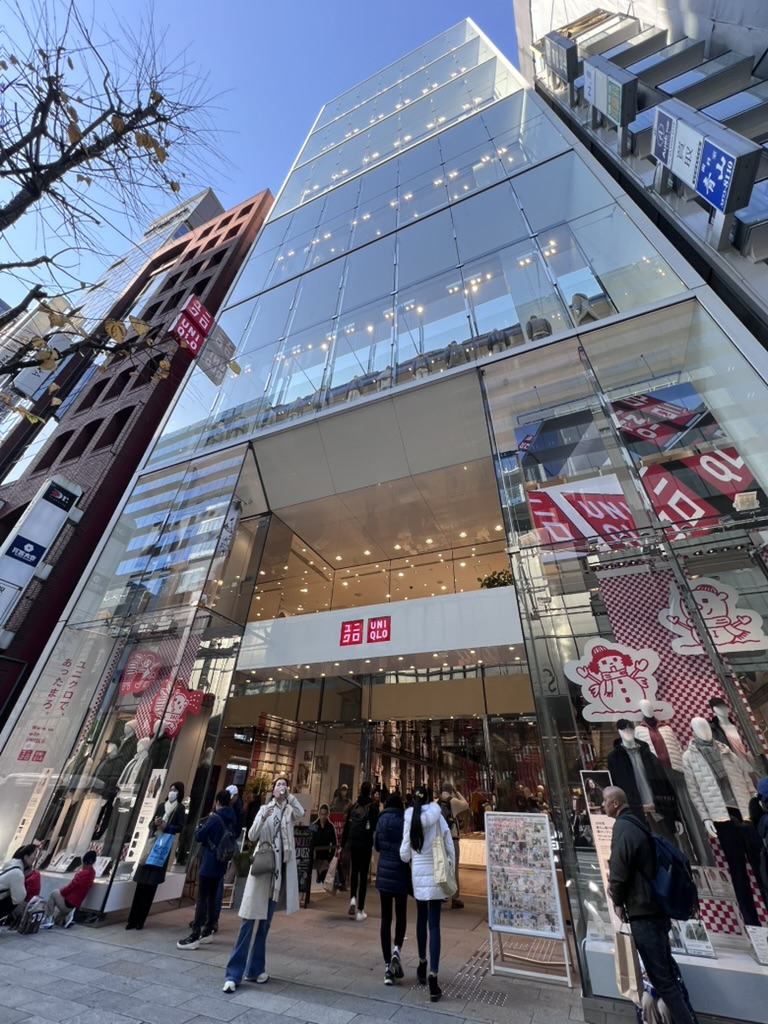
Explore Ginza
After your matcha break, continue into Ginza, Tokyo’s most elegant shopping district. Check out more about Ginza in my full guide
The contrast between Tsukiji and Ginza is striking. Just minutes after walking through the chaotic seafood stalls of the market, you’ll suddenly find yourself surrounded by sleek architecture, luxury boutiques, and wide pedestrian-friendly boulevards.
Even if you’re not planning to shop, Ginza is a fascinating neighborhood to explore.
On weekends, the main street Chuo Dori closes to traffic and becomes a pedestrian promenade where locals stroll, shop, and relax.
Stop 1: Itoya Stationery Store
One of the most unique shops in Ginza is Itoya, a multi-floor stationery store that feels more like a museum for paper lovers.
Inside you’ll find:
• beautiful Japanese notebooks
• calligraphy supplies
• specialty pens
• creative paper goods
Even if you’re not normally interested in stationery, the craftsmanship and design here are incredible.
Many travelers end up leaving with a notebook or souvenir because the quality is so unique.
Stop 2: Uniqlo Ginza
A few blocks away is Uniqlo Ginza, the largest Uniqlo store in the world.
With more than 10 floors, it carries almost every product the brand makes and sometimes offers special collaborations you won’t find elsewhere.
It’s also a good place to pick up affordable clothing if you realize you packed wrong for the weather.
Stop 3: Ginza Mitsukoshi Department Store
For a more traditional Japanese shopping experience, stop by Ginza Mitsukoshi, one of Tokyo’s most historic department stores.
The basement food hall (depachika) is especially worth visiting.
Here you’ll find beautifully packaged sweets, bento boxes, and gourmet snacks that make perfect souvenirs.

Stop 4: Ginza Art Aquarium Museum
If you’re looking for something a little different while exploring Ginza, the Ginza Art Aquarium Museum is one of the most unique attractions in the neighborhood.
This immersive art space combines traditional Japanese aesthetics with modern lighting design. Inside, hundreds of beautifully designed aquariums display colorful goldfish illuminated by dramatic lighting and seasonal art installations.
Each room feels like walking through a living art exhibit, with glowing tanks, mirrors, and carefully designed displays inspired by Japanese festivals and Edo-era culture.
It’s surprisingly relaxing and incredibly photogenic.
The museum is located inside the Mitsukoshi Department Store, making it an easy stop while exploring Ginza.
👉 Reserve tickets for the Ginza Art Aquarium
Plan to spend about 45–60 minutes exploring the exhibits.
Evening in Ginza: Dinner and Cocktails
After visiting the Ginza Art Aquarium, the evening is the perfect time to experience one of the things Ginza does best: exceptional food and world-class cocktail bars.
This neighborhood is home to everything from Michelin-star restaurants to intimate cocktail bars where bartenders craft drinks with incredible precision.
Whether you’re in the mood for sushi, ramen, or a creative cocktail, Ginza has something for every style of traveler.
Sushi no Midori
One of my favorite sushi spots in Tokyo and one of the best value sushi restaurants in Ginza.
The portions are generous and the fish is incredibly fresh. Expect a wait during dinner hours, but the quality makes it worth it. MAKE A RESERVATION!
If you want excellent sushi without paying Michelin-star prices, this is a fantastic choice.
Tempura Kondo (Michelin Star)
If you’re looking for a high-end Tokyo dining experience, Tempura Kondo is one of the most famous tempura restaurants in Japan.
Chef Fumio Kondo has perfected the art of incredibly light tempura made with seasonal ingredients.
Reservations are essential and this is definitely a splurge meal, but it’s an unforgettable experience.
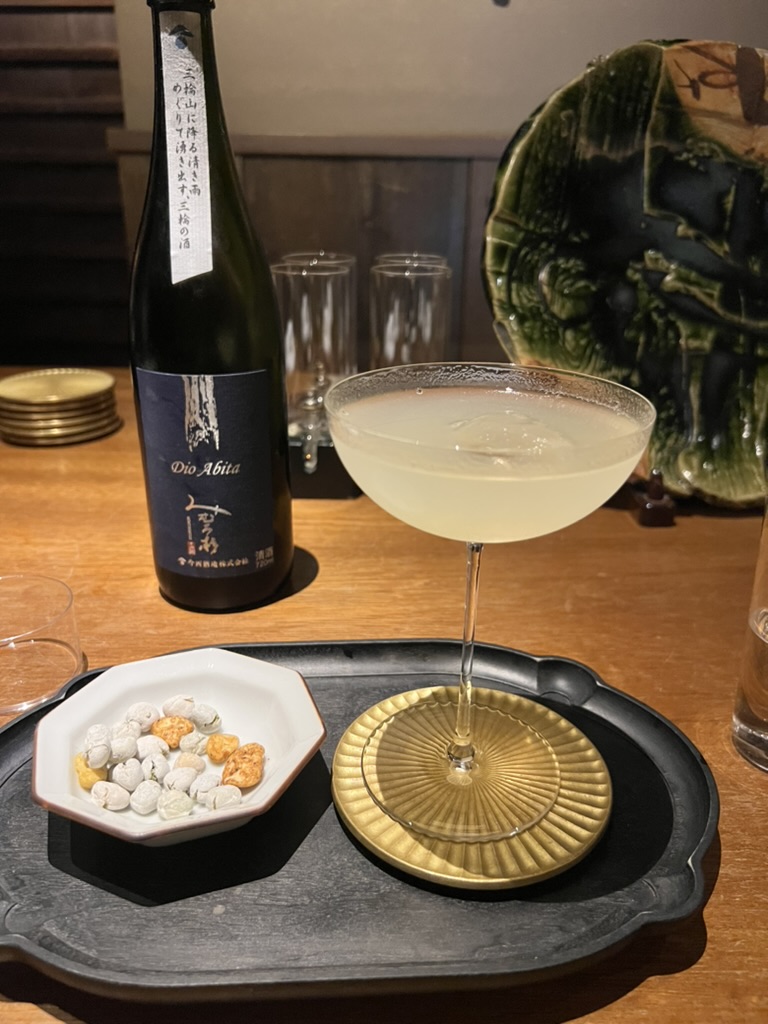
After Dinner: Ginza Cocktail Bars
Once dinner wraps up, Ginza becomes one of the best places in Tokyo for cocktails.
Many of the bars here focus on craftsmanship, with bartenders who measure, stir, and garnish drinks with incredible precision.
Folklore
This is one of my personal favorite bars in Ginza.
The bar specializes in Japanese spirits, including unique whiskies and shochu, and the atmosphere is relaxed and welcoming.
It’s a great place to end the night with a beautifully crafted drink.
Mixology Salon
If you enjoy creative cocktails, Mixology Salon focuses on Japanese ingredients like matcha, yuzu, and seasonal fruits.
Each drink feels like a carefully designed experience.

Day 4 — Shinjuku: Gardens, Neon Streets & Tokyo Nightlife
Shinjuku is one of the most exciting neighborhoods in Tokyo and perfectly captures the city’s contrast between calm and chaos.
In the same day you can wander through a peaceful garden, explore massive department stores, and end the night in tiny alleyway bars packed with locals.
When I lived in Tokyo, Shinjuku was one of the areas I returned to again and again because there is always something happening here.
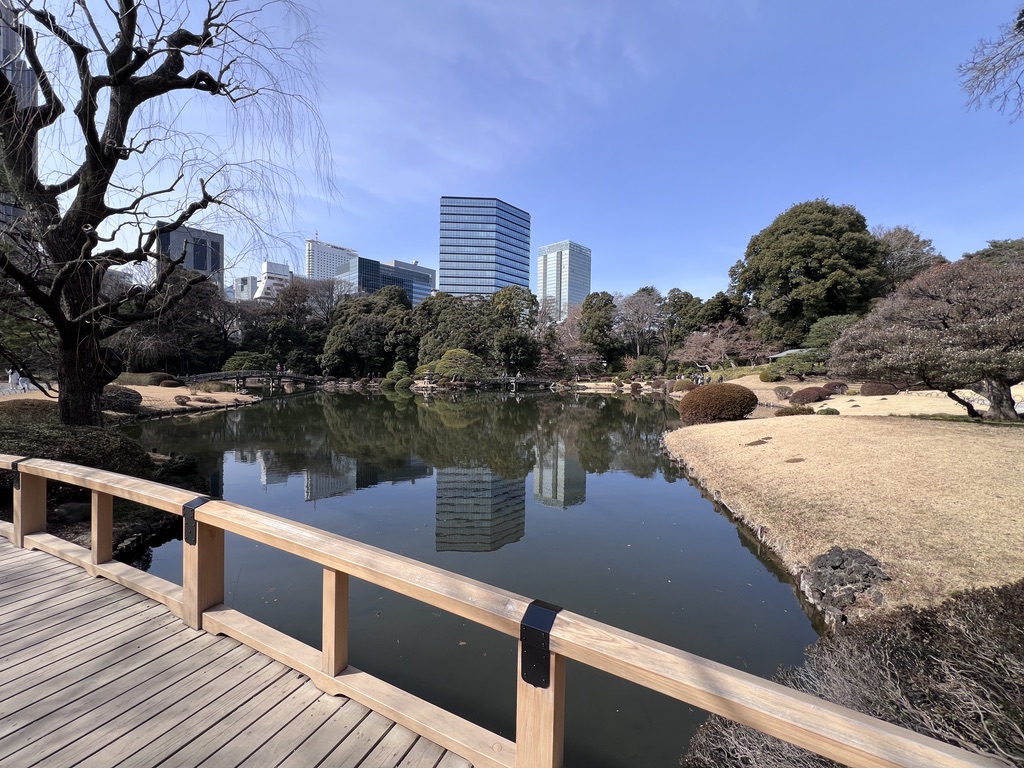
Morning: Shinjuku Gyoen National Garden
Start your morning somewhere peaceful before diving into the energy of Shinjuku.
Shinjuku Gyoen National Garden is one of the most beautiful parks in Tokyo and a perfect place to slow down after several busy sightseeing days.
The park combines three styles of gardens:
• traditional Japanese gardens
• English landscape gardens
• French formal gardens
During cherry blossom season, this is one of the best places in Tokyo for hanami (flower viewing).
When I lived in Tokyo, this was one of my favorite places to escape the crowds and just walk around for a while.
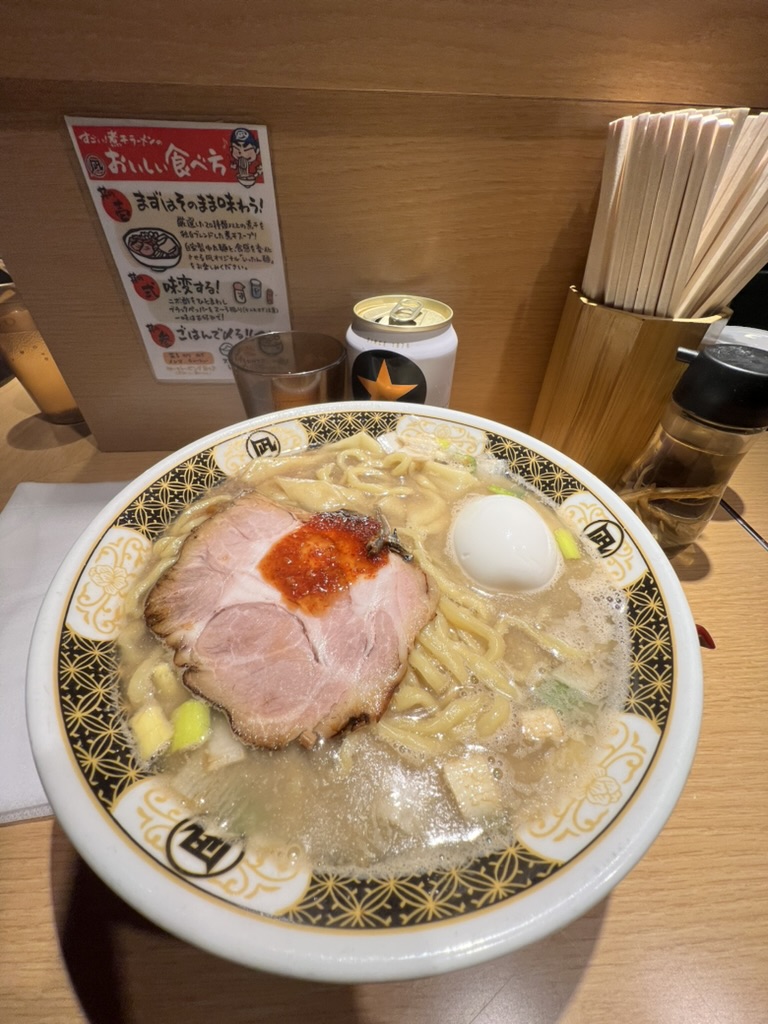
Lunch in Shinjuku
Shinjuku has an incredible food scene with everything from ramen counters to high-end restaurants.
Ramen Nagi (Golden Gai)
Ramen Nagi serves one of the most famous bowls of ramen in Tokyo.
Their signature dish is niboshi ramen, made with a rich broth flavored with dried sardines.
The flavor is bold and unique compared to typical ramen.
The location inside Golden Gai is tiny but memorable.
Afternoon Explore Shinjuku
After lunch, spend some time exploring the neighborhood.
Shinjuku is home to some of the largest shopping complexes in Tokyo.
Some interesting places to wander include:
• Takashimaya Times Square
• Isetan Department Store (one of Tokyo’s most famous)
• Don Quijote for quirky souvenirs
The basement food halls (depachika) inside department stores are especially fun to explore.
They’re packed with beautifully prepared sweets, bento boxes, and gourmet snacks.
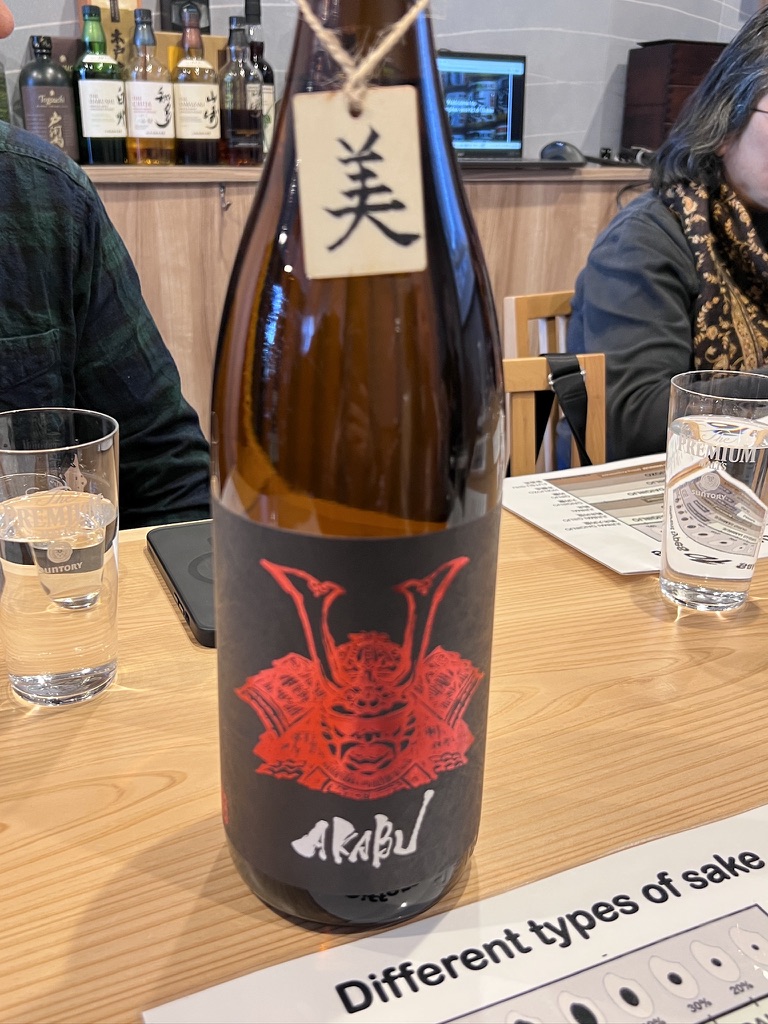
Late Afternoon/Evening: Sake Tasting and Izakaya Tour
Before heading out for dinner, start your evening with a sake tasting experience to learn more about Japan’s traditional rice wine.
Sake can vary widely depending on the brewing style, rice polishing level, and region it comes from. A tasting session is a great way to understand the differences while sampling several varieties.
Many tastings include an introduction to:
• Junmai sake
• Ginjo and Daiginjo styles
• regional brewing traditions
• proper sake tasting techniques
It’s a relaxed and informative way to begin the evening and adds cultural context before heading into Tokyo’s lively izakaya scene.
Ater your sake tasting, continue the evening with one of the best ways to experience Tokyo nightlife: an izakaya hopping tour. I wrote a deep dive about my experience, and even as a local while I recommend it!
Izakayas are casual Japanese pubs where locals gather after work to enjoy small plates, drinks, and conversation.
Instead of committing to one restaurant, these tours take you to several hidden izakayas and alley bars that you would likely never find on your own.
Typical stops include:
• yakitori skewers
• grilled seafood
• Japanese fried chicken
• local beer and sake
The guides also explain Japanese drinking culture and etiquette, which makes the experience especially fun for first-time visitors.
👉 Join this Shinjuku Izakaya Tour
Day 5 — Sumo Culture & Tokyo Skytree
After several days exploring Tokyo’s neighborhoods, today is a great opportunity to experience one of Japan’s most fascinating traditions: sumo wrestling.
Watching sumo practice offers a rare glimpse into a sport that has been deeply connected to Japanese culture for centuries.
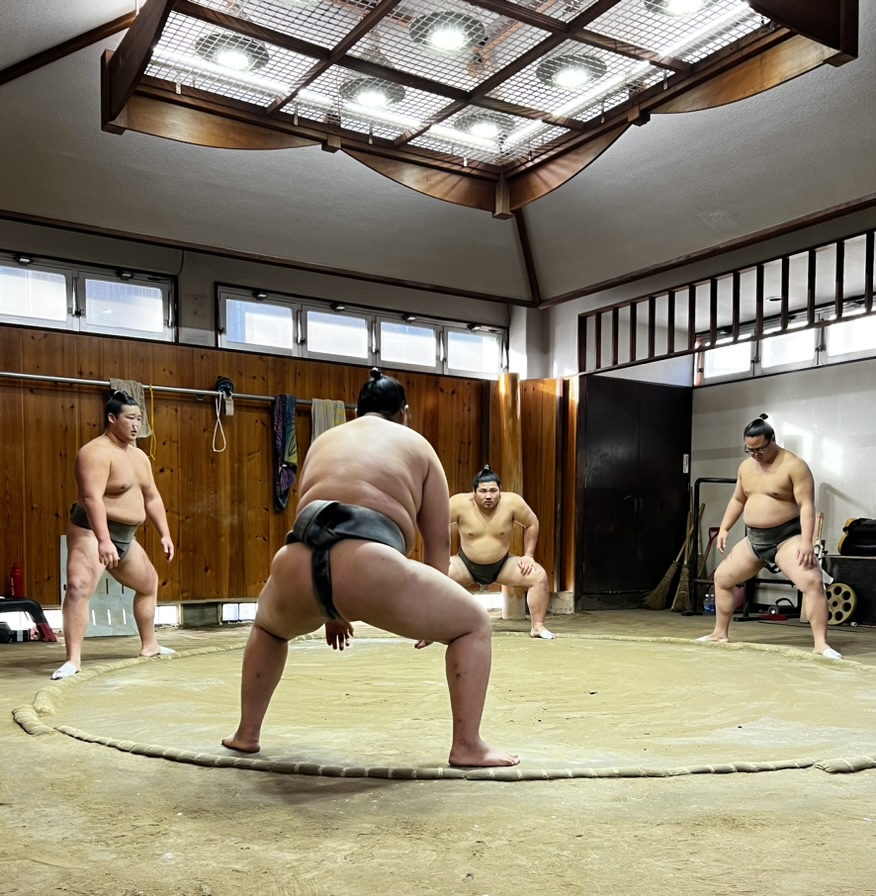
Morning: Watch Sumo Practice
Watching sumo wrestlers train inside a traditional sumo stable is one of the most unique experiences you can have in Tokyo.
Unlike official tournaments held in large arenas, these practices take place in small training stables where wrestlers follow strict daily routines.
Training sessions usually begin early in the morning and include:
• warm-up exercises
• practice matches
• ritual movements rooted in Shinto tradition
The atmosphere is surprisingly quiet and disciplined. You’ll mostly hear the sound of wrestlers hitting the clay ring and instructions from their coach.
It’s an incredible opportunity to witness a centuries-old sport up close.
👉 Book a Sumo Morning Practice Experience
Spots are limited because the stables are small and visitors must follow strict etiquette rules.
Late Morning: Explore Ryogoku (Tokyo’s Sumo District)
After the practice session, spend some time exploring Ryogoku, the historic center of sumo culture in Tokyo.
This neighborhood is home to many sumo stables and the main arena where official tournaments take place.
Ryogoku Kokugikan
This is the stadium where the grand sumo tournaments are held several times each year.
Even if there isn’t a tournament happening, it’s worth walking around the building.
Inside you’ll find the Sumo Museum, which displays historic photographs, ceremonial clothing, and artifacts from famous wrestlers.

Afternoon: Tokyo Skytree
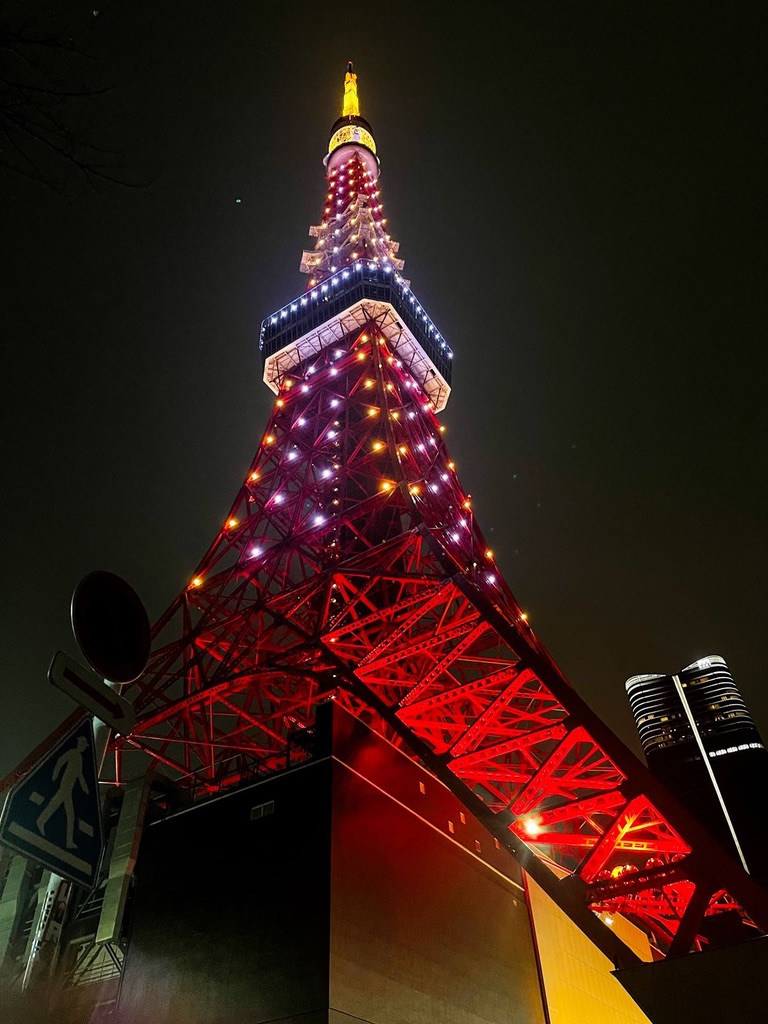
After lunch, take a short train ride to Tokyo Skytree, the tallest structure in Japan.
The observation decks offer 360-degree views across Tokyo, and on clear days you can even see Mount Fuji in the distance.
The surrounding complex, Tokyo Solamachi, is also filled with restaurants, shops, and dessert cafés if you want to take a break.
👉 Reserve Tokyo Skytree Tickets in Advance
The observation deck can get crowded, especially in the afternoon.

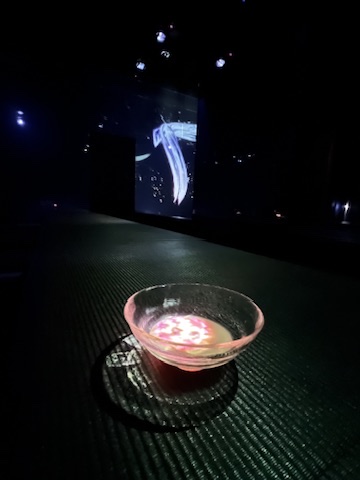

Day 6 — TeamLab & Tokyo’s Modern Art Scene
Today explores Tokyo’s modern and artistic side with one of the city’s most famous immersive art experiences.
TeamLab Borderless vs TeamLab Planets
Tokyo actually has two different TeamLab experiences, and travelers often confuse them when planning their trip.
TeamLab Borderless (Azabudai Hills)
Start your day at TeamLab Borderless, one of Tokyo’s most famous digital art museums.
Unlike a traditional museum, the exhibits here are constantly moving and evolving. Rooms blend into one another, and the artwork changes as visitors walk through the space.
You’ll move through glowing digital forests, mirrored infinity rooms, and immersive light installations that feel more like stepping inside a dream than visiting a gallery.
One of the most fascinating aspects of TeamLab Borderless is that there is no fixed path. The art flows from room to room, meaning every visitor experiences the museum differently.
Tips for Visiting
• Book tickets in advance
• Arrive early to avoid crowds
• Do not miss the tea room, get there early
• Head Straight to the underwater area where you can draw your own creature and see it come to life
• Plan to spend 1.5–2 hours inside
👉 Reserve TeamLab Borderless Tickets
This is one of the most popular attractions in Tokyo and often sells out days ahead.
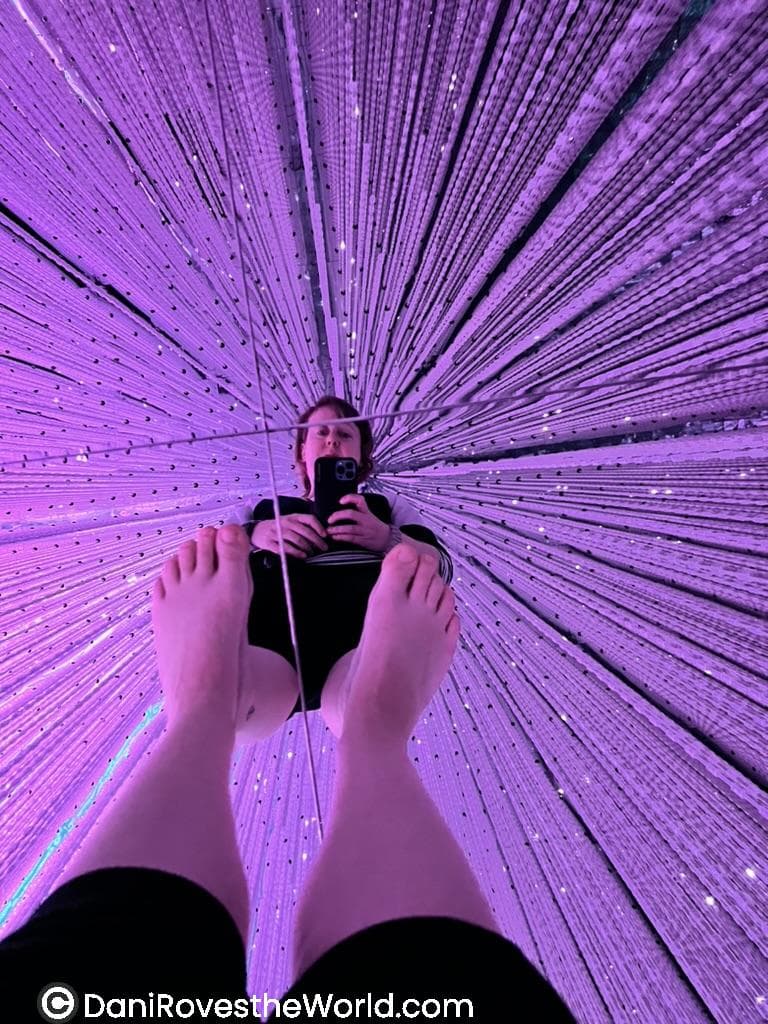
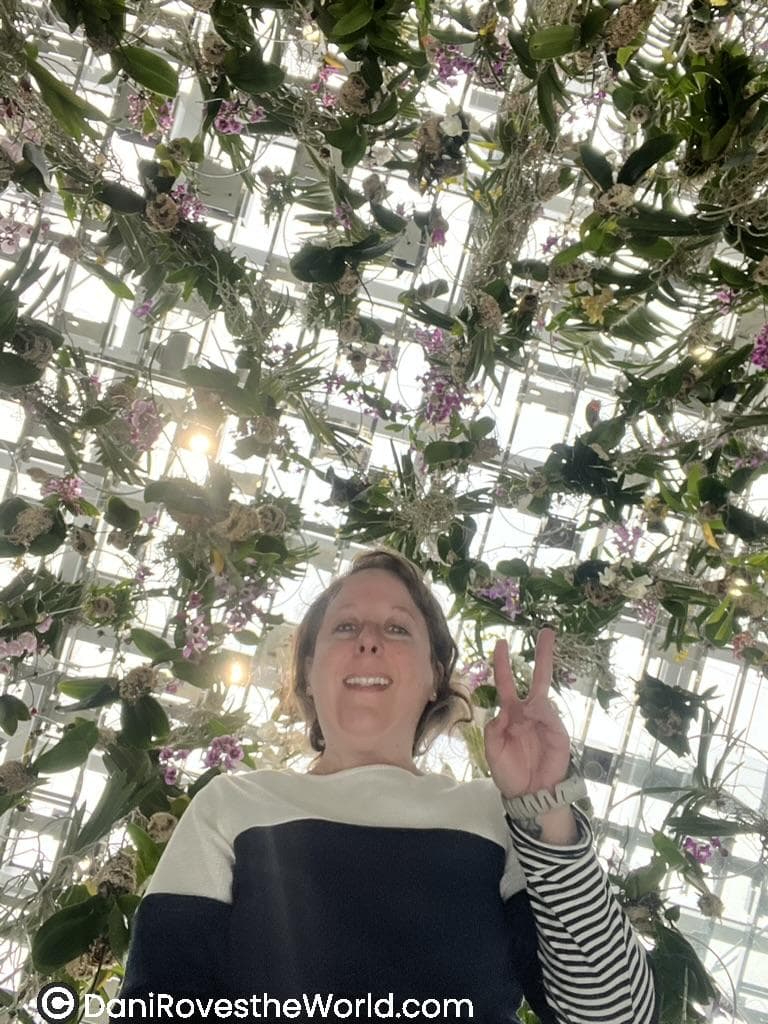
TeamLab Planets (Toyosu)
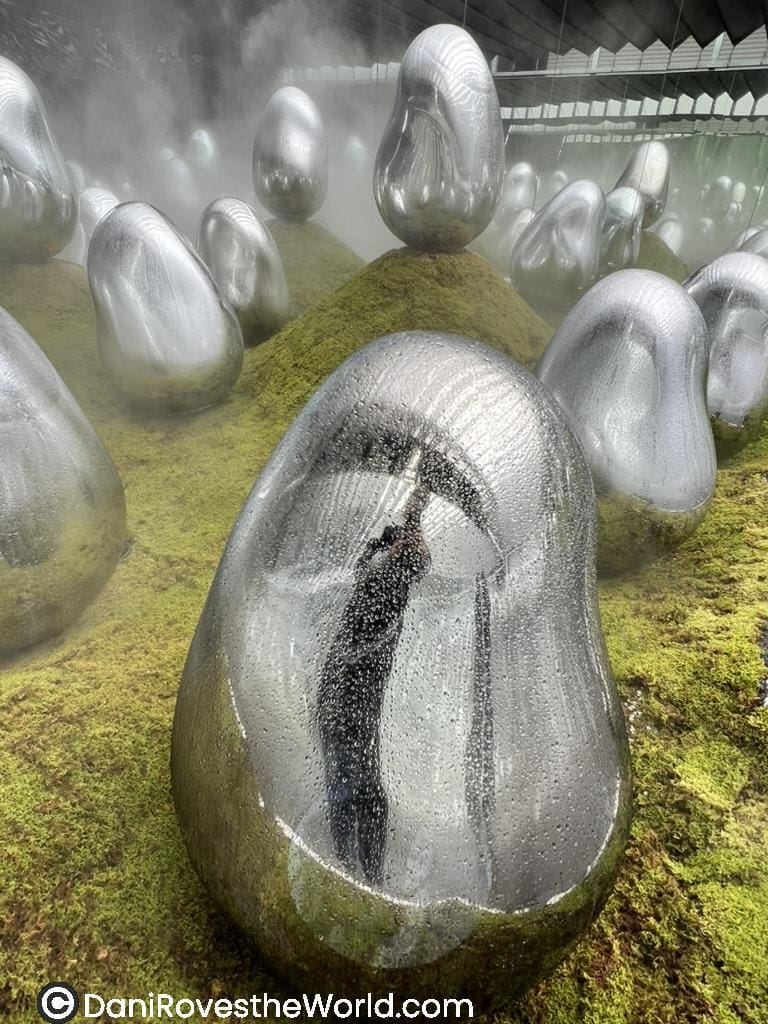
A much more immersive experience where visitors walk barefoot through water installations, mirrored rooms, and glowing digital worlds.
I was skeptical about TeamLab Planets, but its a must! 👉 Read my full TeamLab Planets guide here
Purchase tickets well in advance and aim for the first slot of the day.
Plan to arrive 30-45 minutes before opening.
Important Tips
• Book the first or second time slot of the day
• Wear pants that roll above the knee
• Lockers are provided for shoes and bags
👉 Reserve TeamLab Planets Tickets. Tickets frequently sell out, especially on weekends.
Both are incredible, but they offer very different experiences.
If you’re deciding between the two, check out my full guide to TeamLab Planets in Tokyo, where I break down what to expect, tips for visiting, and how to book tickets.
Late Morning Coffee
Azabudai Hills
After leaving TeamLab, take some time to explore Azabudai Hills.
The architecture here is beautiful and the complex includes cafés, restaurants, and art installations.
It’s a great place to grab a coffee and relax after the museum.
Lunch- Roppongi
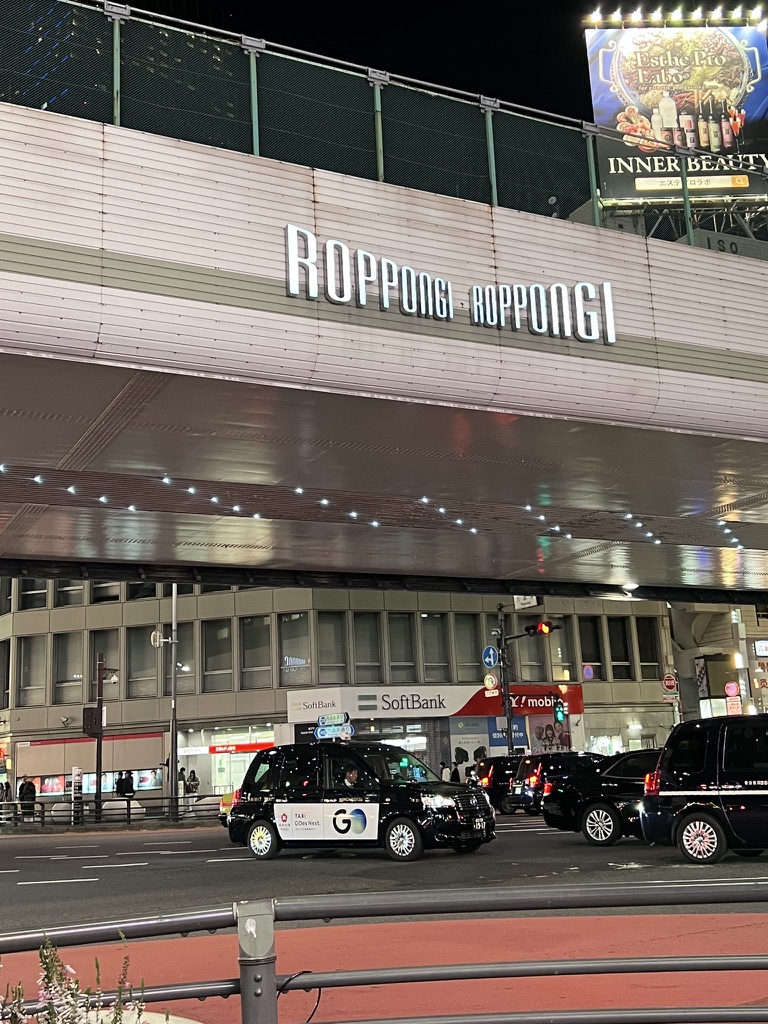
From Azabudai Hills it’s only a short walk or quick train ride to Roppongi, one of Tokyo’s best districts for art, dining, and nightlife.
Roppongi has a completely different energy from other neighborhoods. It’s international, modern, and packed with restaurants and galleries.
Stop for lunch before continuing your afternoon exploring.
Afternoon: Mori Tower & Tokyo City View
While in Roppongi, visit Tokyo City View inside Mori Tower.
The observation deck offers incredible views across the city and is far less crowded than Tokyo Skytree or Shibuya Sky.
Inside the building you’ll also find the Mori Art Museum, which regularly hosts contemporary art exhibitions.
It’s a great way to continue the artistic theme of the day after visiting TeamLab.
Day 7 — Tokyo Like a Local
Nakameguro, Daikanyama & Ebisu
After a busy week exploring Tokyo’s temples, markets, and neon districts, your final day is about slowing down and experiencing the city the way locals do.
These neighborhoods are known for:
• stylish cafés
• boutique shopping
• riverside walks
• some of Tokyo’s best restaurants
It’s the perfect way to wrap up your week in the city.
Morning: Nakameguro Coffee & River Walk
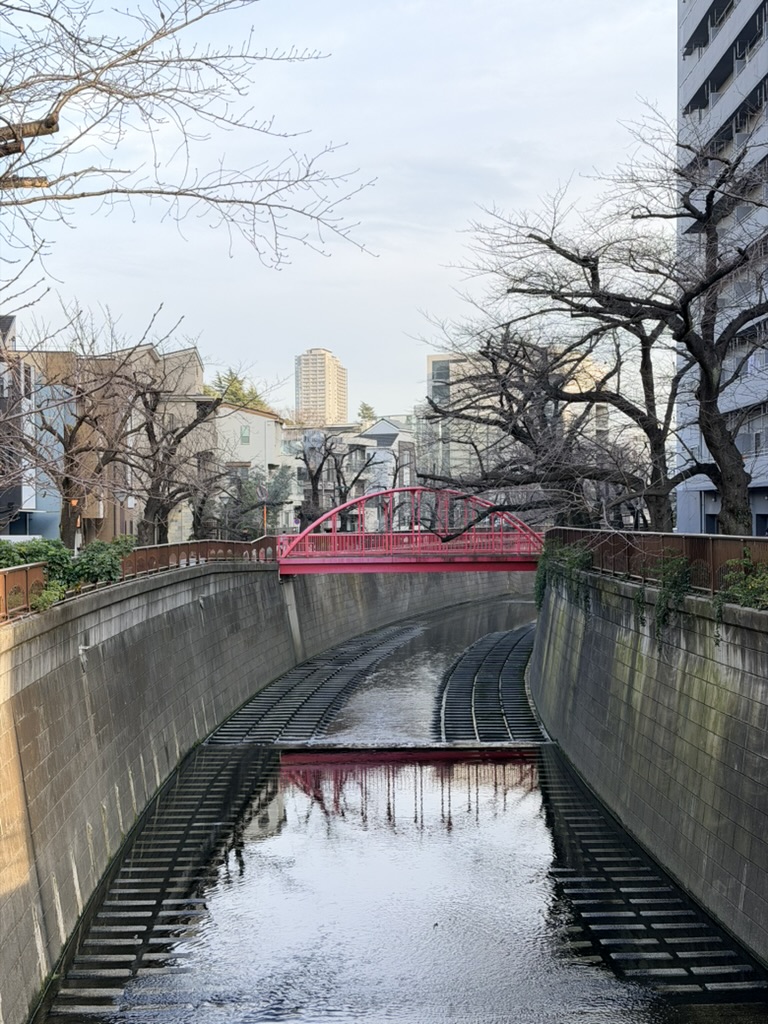
Start your final day in Nakameguro, one of Tokyo’s most charming neighborhoods.
The area is famous for the Meguro River, which becomes one of the city’s most famous cherry blossom spots in spring.
Even outside sakura season, the riverside walk is beautiful and lined with small cafés, bakeries, and boutique shops.
It’s the kind of place where you can simply wander and discover something new around every corner.
Coffee Stop
Nakameguro has one of Tokyo’s best coffee scenes.
Grab a coffee and enjoy a slow start to the day before exploring the neighborhood. If you want something a bit over the top but screams Tokyo, book a high tea at Haute Couture Cafe.
Lunch/Afternoon: Ebisu
Next, walk or take a short train ride to Ebisu, a neighborhood known for its excellent restaurants.
Ebisu has a slightly more local feel than nearby Shibuya and is packed with great food options.
It’s the perfect place for one final Tokyo meal before heading home.
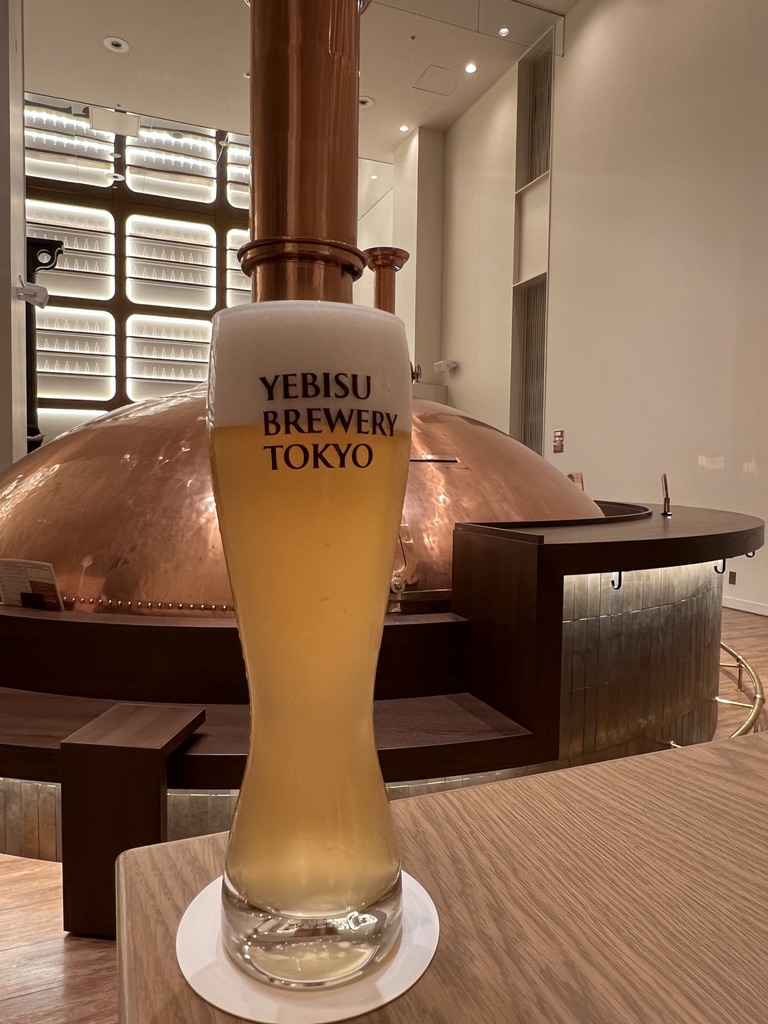
After lunch, take a stroll through Yebisu Garden Place, a quiet plaza filled with shops, museums, and cafés.
You’ll also find the Yebisu Beer Museum, where you can learn about one of Japan’s most famous beer brands.
If you enjoy beer, it’s a fun and relaxed stop before ending your trip.
Best Time to Visit Tokyo
Spring (March-May): Perfect for cherry blossoms (sakura), but expect crowds and slightly higher prices.
Shoulder Seasons (April-May & September-October): Balance of comfortable temperatures, fewer crowds, and fall foliage
Summer (June-August): Hot and Humid! But summer offers vibrant nightlife and unique festivals.
Where to Stay in Tokyo
Shibuya: For those seeking the heart of the action, and have excellent access to public transportation.
Asakusa: More traditional feel with easy access to Sensō-ji Temple.
Ginza: For a touch of luxury and central location, I personally recommend Ginza for the convenience factor (even if it costs a bit more)
Getting Around Tokyo
Get a Suica Card
Master the Train System
Taxis are Expensive
Frequently Asked Questions
Is one week long enough in Tokyo?
One week might feel tight, but it’s definitely doable! Ideally, 10-14 days would give you more breathing room, but with good planning, you can make the most of a shorter trip.
What is the Cheapest time to go to Tokyo?
The most affordable time to visit Japan? Definitely mid-January through February!
Can I do Tokyo on a Budget?
Absolutely! Tokyo can be done on a budget. Stick to affordable accommodations like hostels or capsule hotels, explore free attractions like temples and parks, and enjoy cheap eats at local ramen shops or convenience stores. Public transport is efficient and affordable, making it easy to get around
Final Thoughts
Tokyo has something for everyone, whether you’re here for the food, the culture, or the surprises.
With this 1 week in Tokyo itinerary, you’re all set to explore.
Don’t try to pack too much into a day and take it slow! Get lost in the city and see what you can find
Take it at your own pace, soak in the experiences, and make some unforgettable memories.
