
Dani Roves the World contains affiliate links and is a member of the Amazon Services LLC Associates Program. If you make a purchase using one of the Amazon or affiliate links, I may receive a small compensation at no extra cost to you. See my Disclosure Policy for more information.

Planning a trip to Tokyo and feeling overwhelmed about how to get around? Totally get it.
With all the train lines, color-coded subway maps, and announcements that sometimes sound like puzzles, getting from point A to point B can feel like a full-on mission.
When I moved to Tokyo for three months, I thought I had it all figured out.
I’d visited before, breezed through the JR Line Tokyo routes, and even felt smug about knowing the difference between the subway Japan lines and the JR East ones.
Then I got on the wrong train and didn’t realize it for two hours. I ended up somewhere near Chiba, staring at a vending machine and wondering how I’d gotten so far off track.
If that’s not a Tokyo welcome, I don’t know what is.
So if you’re a solo traveler, especially a solo female traveler, wondering how to actually make sense of Tokyo’s transportation system, I’ve got you.
Whether you’re trying to get from Narita Airport to central Tokyo, debating if you need a Japan Rail Pass, or just standing in front of a Tokyo subway map feeling dazed, this guide walks you through it all.
Let’s make getting around Tokyo a whole lot easier.
🚇 Skip the ticket machines and breeze through Tokyo’s transit like a local—get your Suica Card for instant tap-to-ride access now!
Why Tokyo’s Public Transport Works for Solo Travelers
You absolutely don’t need a car in Tokyo. Actually, I’d go as far as saying you shouldn’t even consider it. Between parking dramas, traffic, and highway tolls, driving in Tokyo is not the vibe.
Public transport is the move.
Tokyo’s system is one of the most reliable, clean, and safest ones I’ve ever used. Trains show up on the dot. Stations are well-lit and super secure, even late at night. There’s always staff around if you need help.
As a solo female traveler, I rode the Tokyo subway and train lines at all hours (well until midnight when it closes) and not once did I feel unsafe.

The Basics: Tokyo’s Public Transport at a Glance
Tokyo has several rail systems working together to get you where you need to go. The Tokyo Metro and Toei Subway are the main subway networks, covering most of the city’s central areas.
JR East operates lines like the Yamanote Line, which loops around major neighborhoods. Then there are private railways, such as Odakyu, Tokyu, and Keio, which reach more suburban spots.
The best part is that you don’t need separate tickets for each system—you can use one IC card (like Suica or Pasmo) across all of them.

How to Use the Subway, Trains and Buses in Tokyo
Understanding the Subway System
Navigating Tokyo’s train system can feel overwhelming at first, but it gets easier once you know what to look for. Start by using Google Maps. It’s honestly a game changer.
It gives you step-by-step directions, tells you which platform to head to, where to sit on the train for the best transfer, and even which exit to take when you arrive. You’ll feel like a pro in no time.
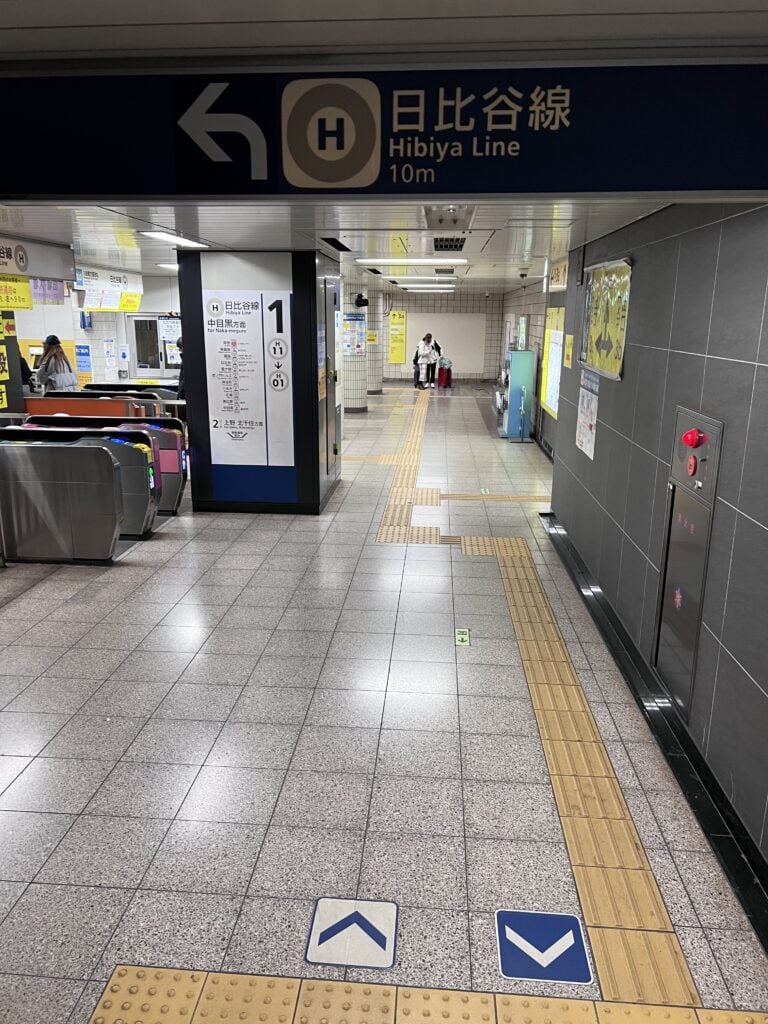
When you get to the station, look down. Seriously. You’ll see arrows and car numbers marked on the platform. These help you figure out exactly where to line up for your train.
Just follow the floor markers, and whatever you do, let people off before you step on. No pushing, no cutting. Tokyo train etiquette is all about calm efficiency, and people really respect the flow.
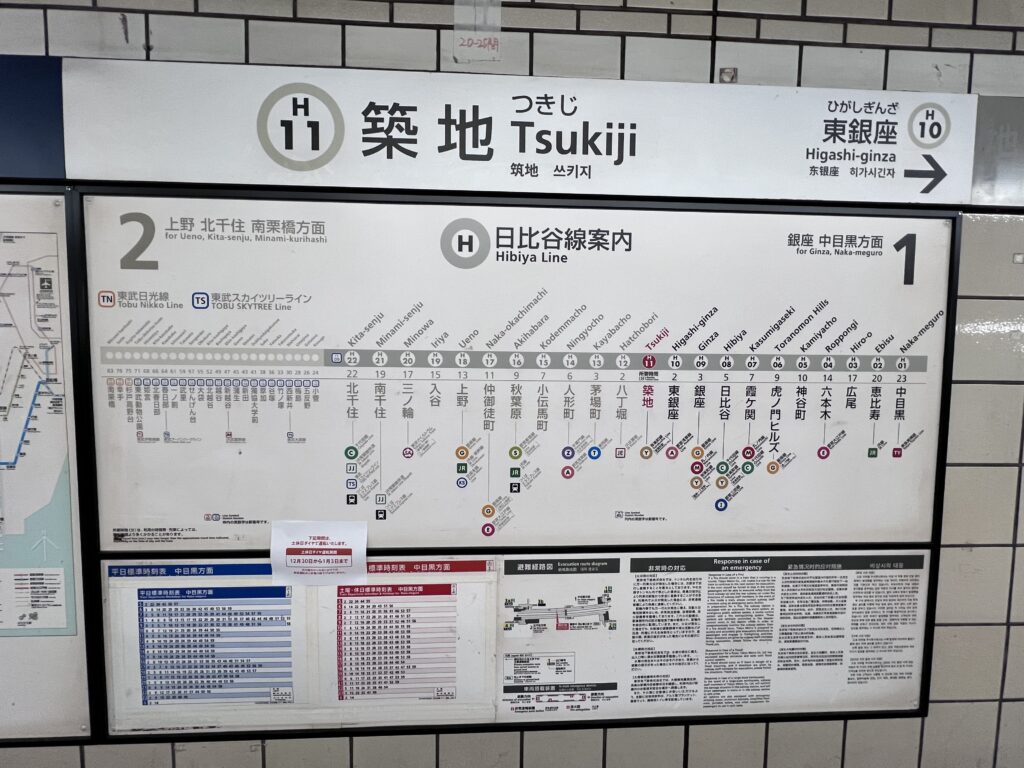
Inside the station, the signage is your best friend. Most signs are in Japanese and English, and they’re incredibly clear. When you’re on the train, announcements are repeated in English, and there are screens that show upcoming stops even if the main text is in Japanese.
The stops are also numbered, which makes it easier to follow along. Knowing your stop number and the one right before it really helps, especially if you’re tired or distracted. That little heads-up can save you from missing your stop in the sea of station names.
Once you learn the rhythm, the whole system becomes kind of comforting. Organized, predictable, and way easier than it looks from the outside.


How to Take the Bus in Tokyo
Taking the bus in Tokyo might seem intimidating at first, especially if you’re more used to trains. But once you understand the basics, it’s a really convenient way to explore neighborhoods that aren’t as close to a train station.
Most Tokyo buses are clean, quiet, and run on time. The biggest challenge? The routes and signs are usually in Japanese. But don’t worry, Google Maps works for buses too. It’ll tell you exactly which bus to take, where to catch it, how many stops there are, and when to get off.
Transfers are also usually free in Tokyo
Here’s how it works:
When you get on, just tap your IC card (like Suica or Pasmo) on the reader. If you don’t have one, you can pay with coins, but exact change is needed. Most rides within Tokyo cost a flat fee, which makes things simpler.
Inside the bus, there’s a screen at the front showing the upcoming stops. Stops are also announced in Japanese, and many buses repeat them in English.
Still, it helps to know the name or number of your stop ahead of time. Watch the screen or follow your location on Google Maps so you don’t miss it.
Buses can be a slower option during rush hour, but they’re great for shorter distances or reaching spots the trains don’t quite hit.
If you’re headed to local neighborhoods, small shrines, or public parks, the bus can take you straight there without transfers or extra walking.
And just like the trains, keep it quiet and respectful. No phone calls, no loud chatting, and always give up your seat for someone who needs it.
JR Line Tokyo and Other Rail Options
Here’s a quick breakdown of some of the key train lines you’ll probably use in Tokyo, especially if it’s your first time navigating the city:
Yamanote Line
The Yamanote Line is your go-to loop. It circles central Tokyo and stops at nearly all the major neighborhoods you’ve probably heard of Shinjuku, Shibuya, Harajuku, Ueno, Ikebukuro, and Tokyo Station.
If you’re sightseeing or hopping between well-known spots, chances are this line will get you there. It runs frequently, so even if you miss one train, the next will be just a few minutes behind.
Chuo Line
The Chuo Line cuts across the city from east to west. It’s especially useful if you’re staying near Tokyo Station and want to head out to areas like Kichijoji, Nakano, or even Mount Takao.
It’s also a great alternative to the Yamanote if you want a more direct route through central Tokyo. Just keep in mind that some Chuo Line trains are local while others are rapid, so double-check before you hop on.
Keisei Line
The Keisei Line is your friend if you’re flying into or out of Narita Airport. It offers a more affordable option than the Narita Express and connects directly to Ueno and other points in Tokyo.
If you’re trying to save on airport transport and don’t mind a slightly longer ride, Keisei is a solid choice. You can also catch the Skyliner, a faster version of this route, which is still cheaper than some other options.
Tokyu Line
The Tokyu Line is a private railway that’s super handy if you’re heading southwest toward Yokohama or exploring Tokyo suburbs like Jiyugaoka or Futako-Tamagawa.
These areas have a more relaxed, local vibe with cute cafes, riverside walks, and fewer crowds. If you’re trying to mix in a low-key day outside the city center, this line makes it easy.
Each of these lines is IC card compatible, and Google Maps will show them alongside subway and JR routes, so you don’t have to stress about figuring out which company runs which train.
Just focus on where you’re going and let the app do the rest.

Buying Tickets and Passes
IC Cards
In Tokyo, you’ll use either a Suica or Pasmo card. In Kyoto or Osaka, it’s usually Icoca. I use the Suica card on my iPhone and it works all over Japan—no need to buy separate cards in each region. If you have an iPhone, just open your Wallet app, search for Suica or Pasmo, and you can add and reload the card right from your phone. Super easy and no vending machines needed.
Japan Rail Pass
This pass is best for long-distance travel, like taking the Shinkansen between cities. But prices have gone up, so make sure to compare the total cost of your planned train rides before buying it. Depending on your itinerary, it might not save you money anymore.
Tokyo Subway Ticket
This pass gives you unlimited rides for 24, 48, or 72 hours on the Tokyo Metro and Toei Subway lines. It’s a great deal if you’re staying within central Tokyo. Just know it doesn’t cover JR lines, so if you need to transfer between systems, it can be a bit of a hassle.
🗾 280+ subway stops. 13 routes. Zero stress. Explore Tokyo without ever buying another ticket. Snag Your Unlimited Ride Pass
Plan ahead so you can utilize this fully and not have to worry about switching lines
Tokyo Airports: Getting Into the City
Narita Airport
The Narita Express is part of the JR system and is designed specifically for airport travel. It’s fast, clean, and has plenty of space for luggage. It takes about an hour to reach major stops like Tokyo Station, Shibuya, Shinjuku, and Ikebukuro.
If you have a Japan Rail Pass, the N’EX is covered, which makes it a great value. If you don’t have the pass, tickets usually cost around 3,000 yen one way. It’s definitely the most comfortable and convenient option for many travelers.
The Skyliner is another express train that connects Narita to Ueno and Nippori in about 40 to 50 minutes. It’s fast, modern, and slightly cheaper than the N’EX.
It’s not part of the JR system, so you can’t use a JR Pass here, but you can reserve seats online or at the airport. It’s a great option if you’re staying in northern or eastern Tokyo, or if you want to avoid the busy central stations.
Local Keisei Line (budget option)
If you’re trying to save money and don’t mind a slower ride, the local Keisei Line is your best bet. It costs less than half the price of the express trains, but it takes closer to 90 minutes and makes more stops.
There’s no seat reservation, so it can get crowded, especially during rush hour. But if you’re on a tight budget or not in a rush, this is the most affordable way into the city.
Each option arrives at a different part of Tokyo, so the best choice really depends on where you’re staying and how much time or comfort you’re looking for. If you’re unsure, plug your hotel address into Google Maps and check the route from Narita, it’ll usually guide you to the best train.
🪑 All seats reserved, no standing, and zero hassle—travel from Narita to Tokyo in comfort with the Keisei Skyliner. Reserve Your Seat on the Skyliner
Haneda Airport
Getting from Haneda Airport into Tokyo is a lot easier and faster than coming from Narita. Haneda is much closer to the city center, which means you’ve got several convenient and budget-friendly options depending on where you’re headed.
Tokyo Monorail
If you’re going toward central or western Tokyo, like Hamamatsucho, Shibuya, or Shinjuku, the Tokyo Monorail is a great option. It connects Haneda to Hamamatsucho Station in about 20 minutes. From there, you can transfer to the JR Yamanote Line or other train lines. If you have a JR Pass, the monorail is included.
Keikyu Line
The Keikyu Line is often the fastest way to get from Haneda to places like Shinagawa, Asakusa, or Yokohama. It’s part of a private rail network, so it’s not covered by the JR Pass, but it’s affordable and runs frequently. Some trains are direct while others may require a transfer, so double-check Google Maps before you board.
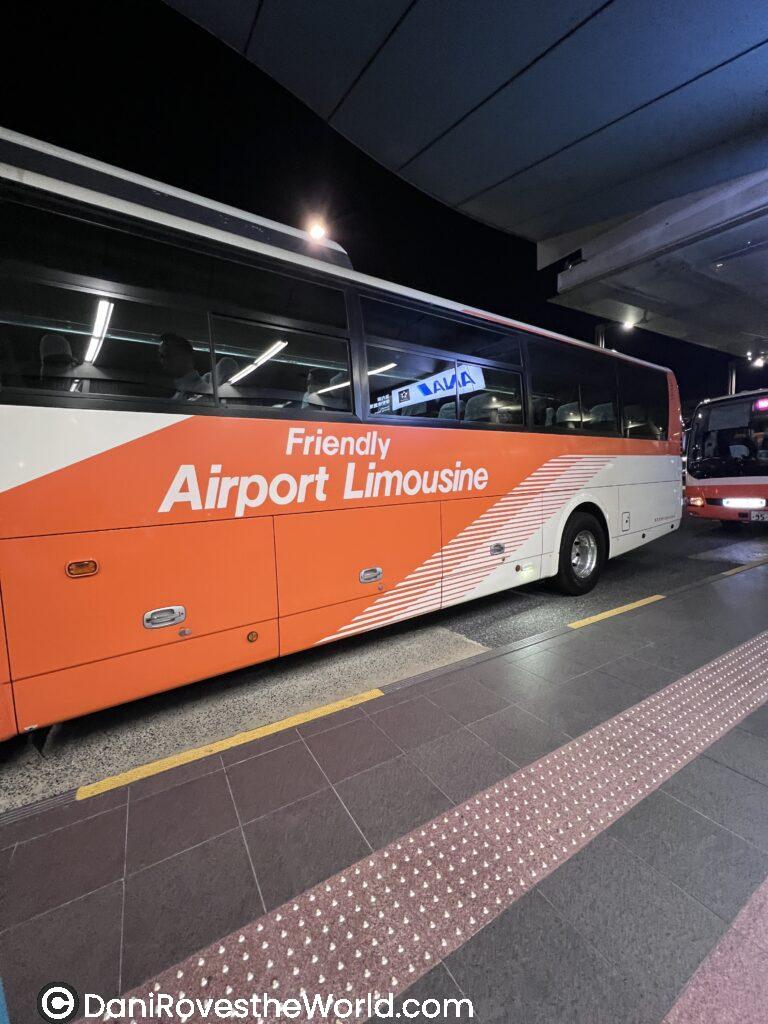
If you have a lot of luggage or don’t want to deal with train transfers, the airport limousine bus is another solid option. It goes directly to major hotels, train stations, and neighborhoods across Tokyo. It takes a bit longer, especially with traffic, but it’s stress-free and drops you off at a central point.
Taxi or Rideshare
Taxis from Haneda to central Tokyo are quicker than from Narita but still pricey. You’re looking at around 5,000 to 10,000 yen depending on distance and traffic. Not ideal for solo travelers, but it might be worth it if you’re traveling late at night or splitting the cost with others.
Since Haneda is so close to the city, even the budget options are quick. Just pick the route that matches where you’re staying and how much convenience you want. Google Maps works great here too. It’ll guide you to the right platform and tell you which route makes the most sense.
🚌 Tired after your flight? Skip the train stress—ride straight from Haneda Airport to your Tokyo hotel in a comfy airport limousine. Book Your Haneda Limousine Bus
Navigating Tokyo Without Japanese
You don’t need to speak Japanese to navigate Tokyo, but you do need a few reliable tools to help you along the way. The train system is incredibly efficient, but it’s also complex, with multiple operators, dozens of lines, and hundreds of stations.
Luckily, there are apps that make it simple to get around, even if you don’t understand a word of Japanese.
Google Maps
Google Maps works surprisingly well in Tokyo. It gives you detailed directions for trains, subways, buses, and walking routes. You’ll see exactly which line to take, which platform to go to, what car to board for the best transfer, and which exit to use when you arrive.
It also tells you how much the trip will cost and how long it’ll take. Just make sure your location services are turned on and that you type in the full name of your destination.
Japan Travel by Navitime
This app is designed specifically for travelers in Japan. It covers trains, buses, ferries, and even airport transfers. One feature I really like is that it lets you filter by JR Pass usage, so you can plan routes that take advantage of your pass if you have one.
It also includes offline access, maps, and station guides. If you want a bit more control and detail than Google Maps offers, this is a great backup to have.
Tokyo Subway Navigation
If you’re mostly staying within the Tokyo Metro and Toei Subway systems, this app is super handy. It’s made by Tokyo Metro and shows routes, transfer times, and station facilities in English.
You can search by station name or landmark, and it’ll suggest the best subway route. It’s less overwhelming than Google Maps and focused just on the subway, so it’s great if you’re exploring Tokyo’s central neighborhoods.
These three apps together can cover just about everything you need, no Japanese required. With a smartphone, a good signal, and a little patience, you’ll be navigating Tokyo like a local in no time.

How Much Does It Cost to Get Around Tokyo?
Getting around Tokyo is surprisingly affordable, especially compared to other major cities. Most short train or subway rides within central Tokyo cost between 170 and 300 yen, depending on the distance and which company operates the line.
If you’re transferring between systems, like from Tokyo Metro to JR, you might pay a little more, but it’s still reasonable.
Using an IC card like Suica or Pasmo makes things easier. You just tap in and out, and the fare is automatically calculated. No need to worry about buying the right ticket or figuring out exact prices.
If you plan to take the train several times a day, consider the Tokyo Subway Ticket. It gives you unlimited rides on Tokyo Metro and Toei Subway lines for 24, 48, or 72 hours.
Prices start at around 800 yen for a 24-hour pass, and it can be a good value if you’re doing a lot of sightseeing.
🚉 No more fumbling with coins—just slide this ticket at the gate and you’re off to your next Tokyo stop. Buy the Tokyo Subway Pass Here
Getting Around Tokyo After Hours
Trains in Tokyo stop running around midnight, so plan your night out with that in mind. If you miss the last train, your options get a bit more limited—and more expensive.
You can grab a taxi or Uber, but fares jump at night and can get pricey fast. If you’re far from your hotel, expect to pay a lot. Some locals and travelers ride it out by heading to 24-hour spots like karaoke bars, manga cafes, or even hourly hotels to wait until the trains start again around 5 a.m.
Best move? Double-check the last train time on Google Maps before you head out. It could save you a long and expensive night.
Local Tips from a Solo Female Traveler
- Trains stop around midnight Always check the time of the last train, especially if you’re out late. Google Maps shows final departures.
- Stations reopen around 5 a.m. If you miss the last train, you’ll need to wait a few hours. Plan accordingly or have a backup.
- Late-night options if you’re stranded Karaoke bars, manga cafes, and 24-hour restaurants are common places to wait it out safely.
- Taxis are safe but expensive They run all night but fares increase after 10 p.m. Have your destination written in Japanese to show the driver.
- Stick to well-lit areas Tokyo is generally safe, but it’s still smart to stay where it’s busy and well-lit if you’re walking alone at night.
- Avoid the last train rush The last few trains of the night can get extremely crowded, especially on weekends. If you can, leave a little earlier.
- Use Google Maps for everything It shows you real-time train schedules, last train info, and even which exit to take. Huge time saver.
- Stay near a major station Booking accommodation near stations like Shinjuku, Ueno, or Tokyo Station makes late-night returns easier.
- Always carry your IC card Keep your Suica or Pasmo charged. Some convenience stores and taxis accept them too.
- Trust your instincts If something feels off, change your route, get to a busier spot, or duck into a convenience store. Staff are helpful, and you’re never far from one.
FAQ about Tokyo Public Transportation
What’s the best way to get around Tokyo as a solo traveler?
Use trains and subways with IC cards like Suica. Apps like Google Maps make it simple.
Do I need to speak Japanese?
No. English signage and announcements are common, and staff are helpful.
Should I get a JR Pass?
Not if you’re staying in Tokyo. Subway passes or IC cards are better.
How much does it cost?
~¥170–¥320 per ride. A day pass is ¥800.
How do I get from Narita to Tokyo Center?
🛬 Land in Narita? Don’t waste time figuring out transport—Skyliner takes you straight to Tokyo with reserved seating and smooth service.
Book Your Narita Skyliner Now
Where can I buy an IC card?
Any major station or airport. Use machines or JR counters or add to your iPhone Wallet
Getting Around Tokyo Is Easier Than It Looks
Still unsure? I’ve been there, lost in Shinjuku, sweating through layers, and questioning everything. But Tokyo’s system is made for travelers.
Once you get used to the flow, it feels seamless. Start with an IC card, use the apps, stay calm, and know that you’ve got this.
Happy roaming,
Dani
