
Dani Roves the World contains affiliate links and is a member of the Amazon Services LLC Associates Program. If you make a purchase using one of the Amazon or affiliate links, I may receive a small compensation at no extra cost to you. See my Disclosure Policy for more information.
When I first started exploring beyond Tokyo, I had no idea how many incredible places were just a short trip away.
From peaceful hot springs with stunning views of Mount Fuji to charming Edo-period towns, taking a day trip is the perfect way to experience Japan’s diversity without the stress of long travel days.
Whether you’re looking for nature, history, or a relaxing beach escape, there’s something for everyone.
In this post, I’ll take you through some of the best day trips from Tokyo that you can easily fit into your itinerary. And trust me, each one is worth the journey. Let’s dive in!
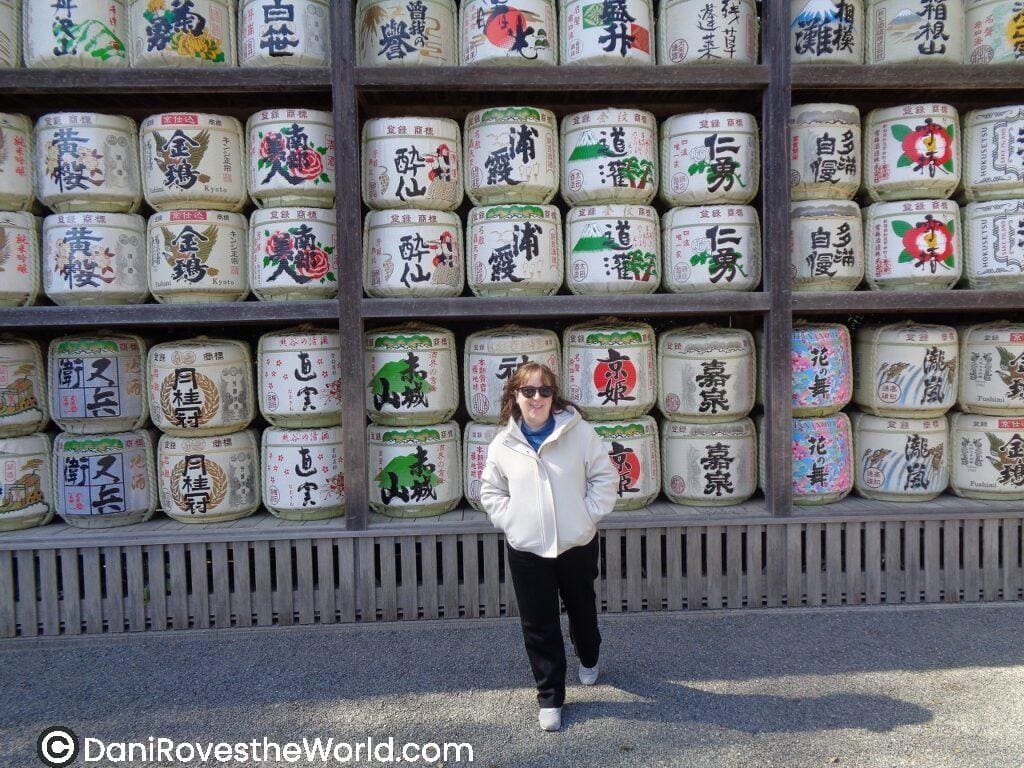
Hakone: Hot Springs, Art and Views of Mount Fuji
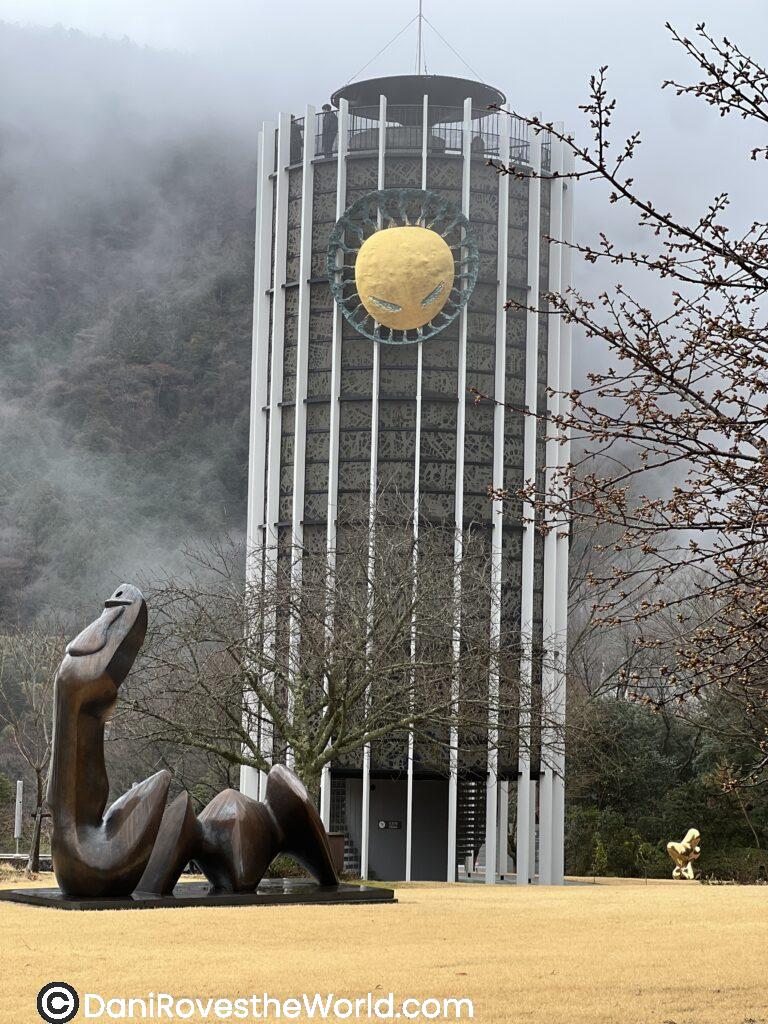
Hakone is where I go when I need a reset. It’s got it all: mountains, museums, and onsen. If you’re lucky with the weather, Mount Fuji makes a pretty unforgettable appearance.
How to Get to Hakone:
Romance car- Direct limited express train from Shinjuku Station about 1 hour and 30 minutes)
Local Trains (Closer to 2 Hours)
JR train to Odawara and transfer to the Hakone Tozan Railway.
Tip: Get the Hakone Free Pass, it lets you hop around the area’s best spots without worrying about extra train or bus fares.
🚆 Skip the ticket lines and ride unlimited transportation in Hakone—grab your Hakone Freepass and explore stress-free!
The Ideal Amount of Time to Spend in Hakone
Plan for a full day. Around 6 to 8 hours lets you explore at a relaxed pace.
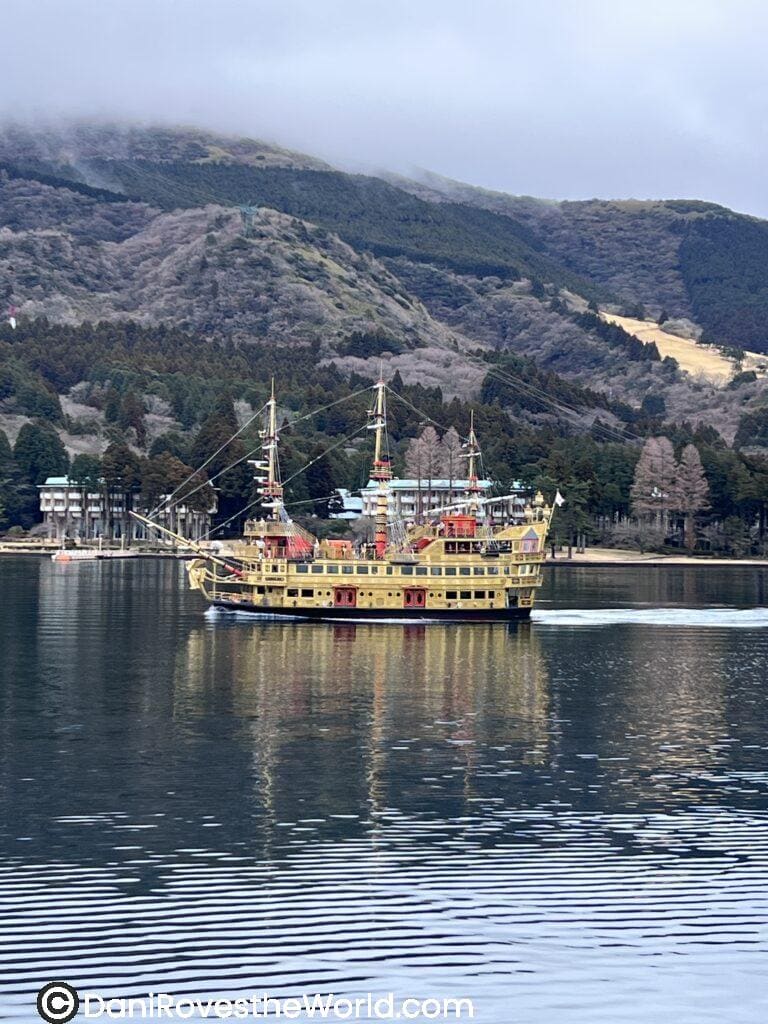
What to Do in Hakone
Hakone Open-Air Museum: Sculptures, greenery, and an on-site foot bath. Worth it.
Hakone Ropeway: Panoramic views and a glimpse of Mount Fuji on clear days
Owakudani: Sulfuric volcanic valley where you can try the famous black eggs
Soak in an onsen: Choose a day-use spot if you’re not staying overnight
Save money and time—this pass covers round-trip Tokyo travel and unlimited rides in Hakone!
Tips for Visiting Hakone
Before you go, check a weather app to make sure you’ll get those iconic views of Fuji.
You can find more details and schedules on Hakone’s travel page here.
Arrive early in the morning, ideally by 9 AM.
Hakone gets crowded by mid-morning, especially on weekends and holidays.
Starting early allows you to explore the key spots, like the Hakone Open-Air Museum or Owakudani, before the larger tour groups arrive.
If you’re visiting the onsen, try going in the late afternoon or early evening when most day visitors have left.
🎟️ Travelers rave about the Hakone Freepass—it’s the easiest way to enjoy a Tokyo day trip without navigating transit confusion.
Must Eat in Hakone
Hakone is known for its traditional Japanese cuisine. Here are some food experiences you shouldn’t miss:
Kaiseki Meals: Many ryokans (traditional Japanese inns) offer kaiseki—multi-course meals made with local, seasonal ingredients. These meals often include fresh fish, vegetables, and regional delicacies.
Black Eggs (Kuro-Tamago): Try the famous black eggs boiled in the sulfurous hot springs at Owakudani. Legend has it, eating one adds seven years to your life! They have a unique flavor, I am not quite sure how to describe it!
Hoto Noodles: A hearty dish of flat noodles served in miso broth with seasonal vegetables. Perfect after a chilly day in the mountains.
📷 Picture-perfect Hakone is even better with a pass that gets you unlimited rides, stress-free sightseeing, and serious savings.
Your Guide to Self-Care Bliss in Hakone
- Day-use Onsen: Soothe sore legs after sightseeing
- Foot baths: Many public spots offer quick, peaceful soaks
- Art breaks: The Open Air museum isn’t just about art. It’s about slowing down. PS- They have a foot bath!
📷 Picture-perfect Hakone is even better with a pass that gets you unlimited rides, stress-free sightseeing, and serious savings.
Hakone Day Trip Key Takeaways
1.5 Hours From Tokyo by Train
Museums
Eat and Relax in Onsens
See Mt. Fuji
Plan to Spend Full Day
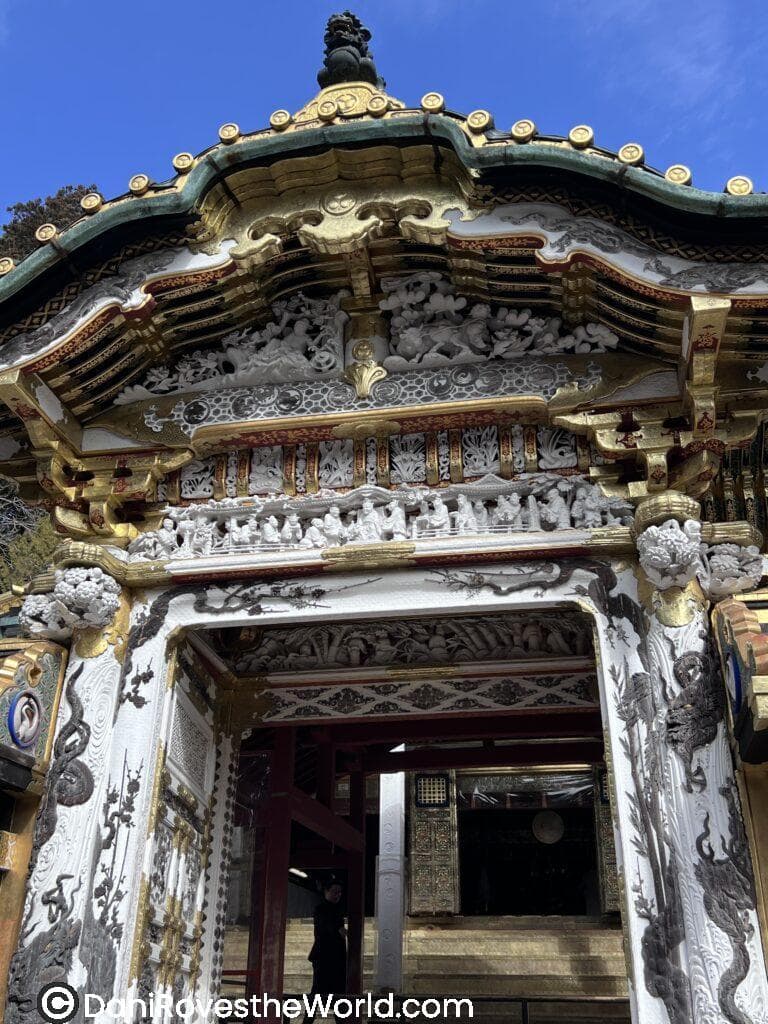
Nikko: Temples, Nature, and Waterfalls
If you love history and don’t mind a little walking, Nikko is where you’ll find temples tucked into tall forests and waterfalls that roar louder than the crowds.
One of my favorite moments was wandering through Toshogu Shrine under a canopy of ancient cedar trees. Even with visitors around, it felt peaceful.
How to Get to Nikko
Tobu Limited Express from Asakusa Station: About 2 hours
JR Nikko Line from Shinjuku: Around 2.5 hours with transfers
Tip: Buy the Nikko All Area Pass. It covers transport within the Nikko region, including buses and local trains.
Dive into Japan’s rich history with a licensed local expert—book your private Nikko day tour and explore hidden gems most tourists miss.
The Ideal Amount of Time to Spend in Nikko
You’ll want a full day here. 6 to 7 hours lets you see the major spots without rushing.
What to do in Nikko
Toshogu Shrine: Ornate, spiritual, and surrounded by forest
Kegon Falls: Especially stunning during autumn leaves season
Lake Chuzenji: A peaceful spot to walk or take a short boat ride
Get out of Tokyo and into nature—this full-day Nikko tour hits all the must-sees with none of the planning stress.
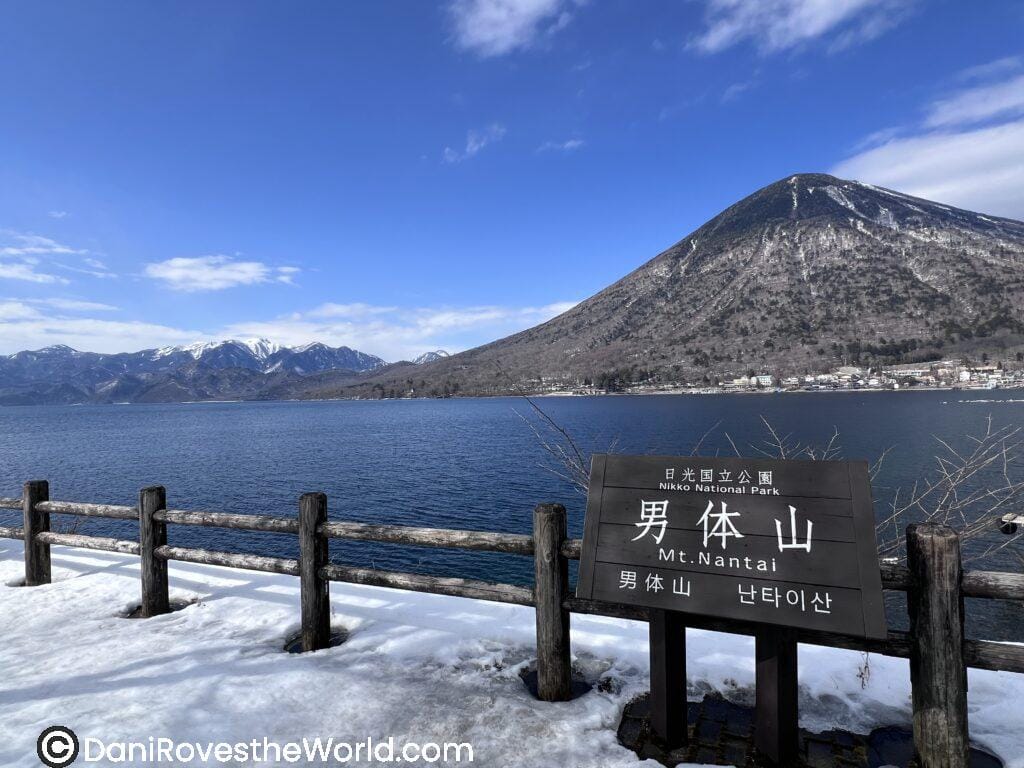
TIPS for Visiting Nikko
Start your day early. Nikko has a lot to offer, and you’ll want to pack in as much as you can!
Check out the official Nikko tourism site for more information here.
Must Eat in Nikko
Yuba (Tofu Skin): Nikko is famous for its yuba—tofu skin that is often served in soups, over rice, or even fried. It’s a must-try for vegetarians and food lovers alike.
Soba Noodles: Enjoy freshly made soba (buckwheat noodles) served hot or cold. Some soba restaurants in Nikko even have views of the surrounding mountains.
Sake: Don’t miss the chance to try local sake at a brewery or traditional restaurant. Pair it with your meal or visit a local sake shop. Tip: You can buy sacred sake at the temple!
Your Guide to Self-Care Bliss in Nikko
- Sit by Kegon Falls: The sound of rushing water is instantly calming
- Onsen by Lake Chuzenji: A short soak with a lake view is the perfect reward
Make every moment count on your Tokyo trip with a one-day Nikko escape that’s packed with cultural and natural highlights.
Nikko Day Trip Key Takeaways
2-2.5 Hours From Tokyo by Train
Outdoor Waterfalls
Lakes and Shrines
Plan to Spend Full Day
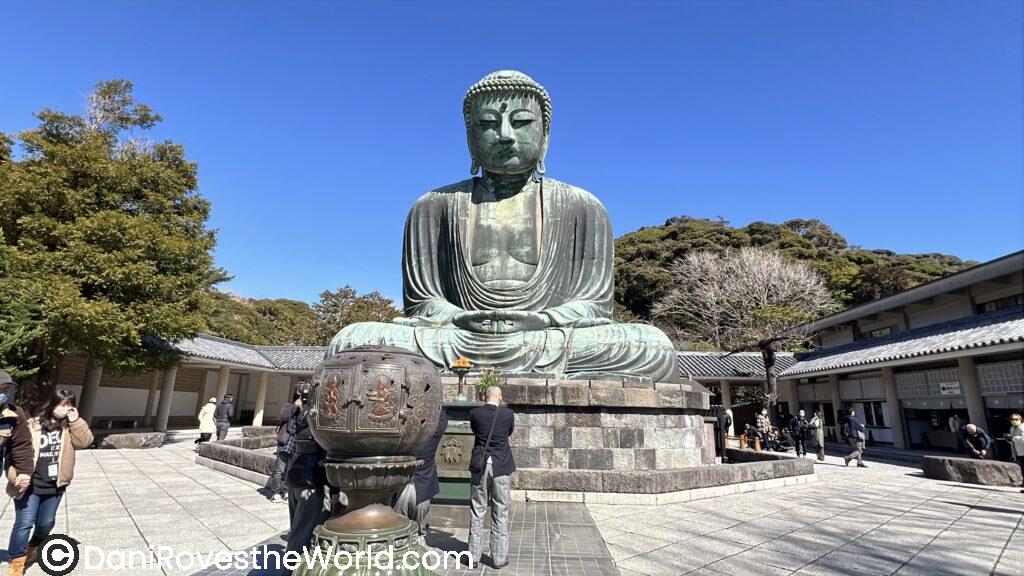
Kamakura: Temples, Beaches, and the Great Buddha
Kamakura has the kind of small-town charm that mixes beach vibes with ancient temples. It’s the place I go when I want a peaceful day, but still feel close to the city.
The first time I saw the Great Buddha in person, it stopped me in my tracks. It’s massive, but there’s a gentle energy to it.
How to get to Kamakura
JR Yokosuka Line from Tokyo or Shinjuku Station: About 1 hour
Enoshima Electric Railway for slower, scenic transfers between beaches and temples
Craving calm and culture near Tokyo? Walk through centuries of history and see the 13th-century Great Buddha on this guided Kamakura tour
The Ideal Amount of Time to Spend in Kamakura
Plan for 5 to 6 hours. A half-day is usually enough if you keep your route focused.
What to do in Kamakura
Great Buddha at Kotoku-in Temple: One of the most iconic sights in Japan
Tsurugaoka Hachimangu Shrine: Elegant and full of history
Hase-dera Temple: A short walk from the Great Buddha, with a beautiful garden
Yuigahama Beach: Quiet, walkable beach to relax or reflect
From Zen temples to forest trails, this 5-hour Kamakura experience blends culture, nature, and sacred history in a way few tours do.
TIPS for visiting Kamakura
If you’re short on time, focus on seeing the Great Buddha and one of before heading to the coast for lunch. The city’s official tourism page has all the details you’ll need here.
Arriving before 9 AM is ideal for exploring the Great Buddha and Tsurugaoka Hachimangu Shrine.
Weekdays are much quieter overall.
Tip: The beaches are quieter in the early morning or late afternoon, so plan a relaxing beach stroll during those times for a peaceful experience.
There is a Bamboo Forest with a Tea House and Torii Gates (If you can’t make it to Kyoto, this is a great alternative)
Must Eat in Kamakura
Shirasu (Whitebait): A local delicacy along the Shonan coast, shirasu (small, salted fish) is often served fresh over rice or in sushi form. Try it at a beachside restaurant for the full experience.
Kamakura Vegetables: The area is also known for its fresh, local produce. Many restaurants serve Kamakura vegetables in salads or alongside grilled meats and fish.
Wagashi (Japanese Sweets): Don’t miss trying wagashi, traditional Japanese sweets, often shaped like seasonal flowers or leaves. They pair perfectly with a cup of matcha tea.
Your Guide to Self-Care Bliss in Kamakura
Beach Walks: Kamakura has beautiful beaches like Yuigahama, perfect for a relaxing walk or meditating by the ocean.
Temple Meditation: Many temples, such as Engaku-ji, offer Zen meditation sessions. It’s a unique self-care experience that gives you a moment of peace and mindfulness during your trip.
Want more than just sightseeing? Learn the roots of Buddhism and Shintoism while strolling ancient temple paths—reserve your Kamakura experience.
Kamakura Day Trip Key Takeaways
1 Hours From Tokyo by Train
Great Buddha
Shrines
Gardens and the Beach
Plan to Spend 1/2 Day (Weekdays)
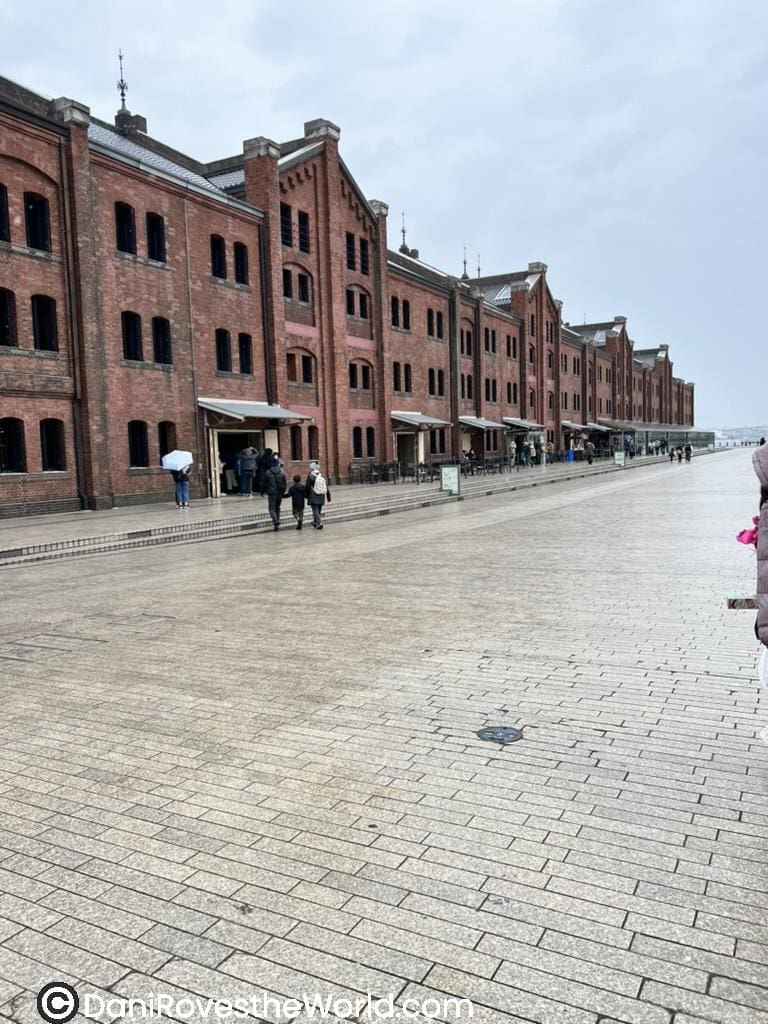
Yokohama: A Modern Escape Close to Tokyo
Yokohama has all the excitement of a big city but without the hectic pace of Tokyo. I usually come here when I want a mix of street food, skyline views, and a little culture on the side.
It’s super close to Tokyo, so it makes a great spontaneous getaway.
How to Get to Yokohama
JR Keihin-Tohoku Line or Tokyu Toyoko Line (40 minutes from Tokyo Station)
The Ideal Amount of Time to Spend in Yokohama
You can do a lot here in 4 to 6 hours, especially if you stay around Minato Mirai and Chinatown.
What to Do in Yokohama
Yokohama Chinatown: The largest in Japan, packed with food stalls and shops
Minato Mirai: Waterfront promenade with parks, shopping, and skyline views
Red Brick Warehouse: Historical buildings turned into shops and cafes
Cup Noodles Museum or Ramen Museum: Both quirky, interactive, and fun to explore
🍜 Slurp your way through ramen history—visit the world’s first ramen-themed park at the Shin-Yokohama Ramen Museum!
TIPs for Yokohama:
For the best experience, I suggest visiting Minato Mirai later in the day to catch the stunning sunset over the city. You can find more about Yokohama’s must-see spots here.
For Chinatown, the best time to avoid the lunchtime and dinner rush is to arrive at 11 AM for an early lunch.
Yokohama’s Minato Mirai area is quieter during the early afternoon, around 1-3 PM, after the morning visitors and before the evening crowds.
Tip: If you want to enjoy a peaceful walk along the waterfront or Yamashita Park, visit in the morning hours, as the area fills up by late afternoon.
Must Eat in Yokohama
Yokohama Chinatown: The largest Chinatown in Japan, Yokohama offers incredible street food options like steamed buns, pork dumplings, and ramen. It’s a food lover’s paradise!
Shumai (Steamed Dumplings): A specialty in Yokohama, shumai are often filled with pork or shrimp and are perfect for a quick snack while exploring.
Yokohama Ramen: Visit the Shin-Yokohama Ramen Museum, where you can taste different regional styles of ramen from across Japan.
Love ramen? You have to try this—eight regional shops, one epic noodle adventure, all under one roof.
Yokohama Day Trip Key Takeaways
30-40 minutes Minutes from Tokyo by Train
Skyline, street food, modern vibesSkyline, street food, modern vibes
Works well as a half-day or spontaneous trip
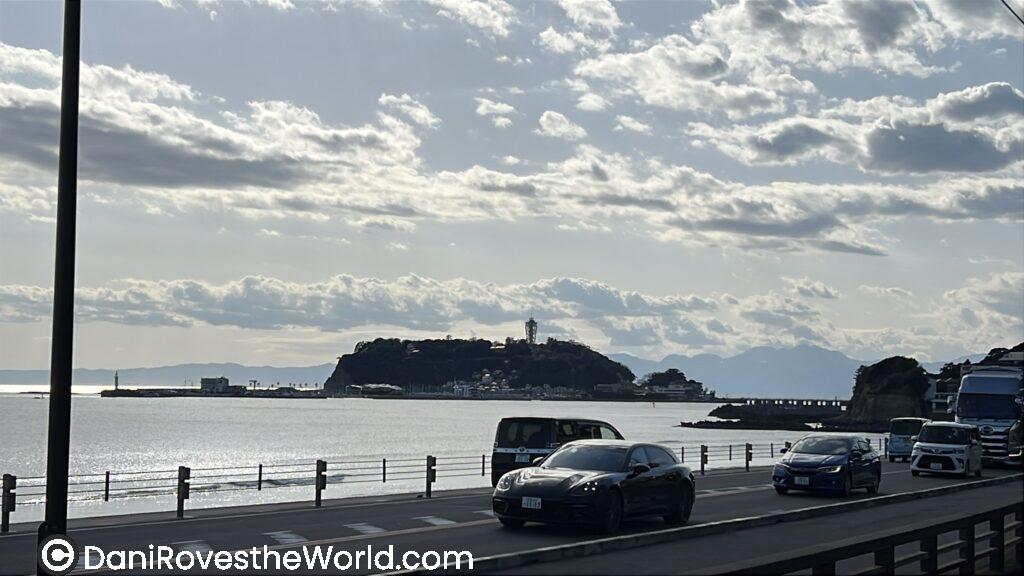
Enoshima: Island Adventure by the Sea
Enoshima is my go-to when I want a coastal day with just enough hiking to feel like I earned that beachside seafood bowl. It’s a small island connected by bridge, and it packs in views, shrines, and calm seaside charm.
How to Get to Enoshima
Odakyu Line from Shinjuku to Katase-Enoshima: About 1 hour 15 minutes
Enoden Line from Kamakura: Great if you’re combining trips
The Ideal Amount of Time to Spend in Enoshima
5 to 7 hours works well if you want to hike, explore, and eat slowly
What to Do in Enoshima
Enoshima Shrine: Tucked into a hillside with beautiful sea views
Iwaya Caves: Lava-carved caves at the edge of the island
Samuel Cocking Garden: A tranquil botanical garden with a lookout tower
Coastal walk: The rocky shoreline is stunning at low tide
TIPs for Visiting Enoshima
You can easily pair Enoshima with a visit to Kamakura for a full day of coastal adventure. The island’s official tourism info is available here.
Arrive on Enoshima by 8-9 AM to enjoy the island’s quieter streets and scenic spots like Enoshima Shrine. By mid-morning, especially on weekends, the island gets busier with day-trippers.
Tip: If you’re visiting during the warmer months, go to the beaches in the early morning or late afternoon to avoid the midday crowds. The views are also beautiful at sunset, when fewer people are around.
Must Eat in Enoshima
Fresh Seafood: Being a coastal area, Enoshima is famous for its seafood, particularly grilled squid and sashimi. Many restaurants near the beach serve seafood fresh off the boats.
Shirasu Don: A local specialty, shirasu don is a rice bowl topped with fresh whitebait. It’s a light and refreshing meal that’s perfect after a hike around the island.
Enoshima Beer: Pair your meal with a local craft brew from one of the island’s restaurants or cafes.
Your Guide to Self-Care Bliss in Enoshima
Coastal Walks: Take a quiet, scenic walk around the island to enjoy views of the sea and Mount Fuji in the distance. It’s an excellent way to clear your mind and recharge.
Enoshima Day Trip Key Takeaways
1 hour 15 Minutes from Tokyo by Train
Hike and Explore Caves
Seafood and Beer
Great for a 3/4 Day Adventure
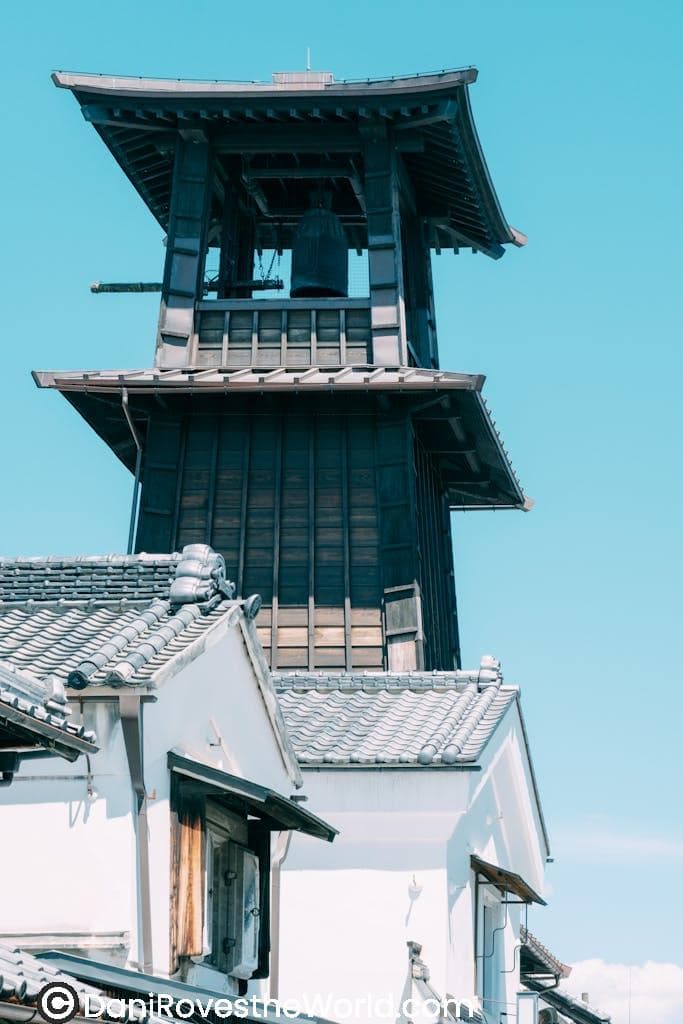
Kawagoe: A Taste of Old Japan
Kawagoe is like stepping into a time capsule. With its clay-walled warehouse buildings and traditional bell tower, it gives you a taste of Edo-period Japan just outside the city.
I love wandering the old streets here. The pace is slower, and the snacks are unforgettable.
How to get to Kawagoe
Tobu Tojo Line from Ikebukuro Station: About 1 hour
Seibu Shinjuku Line from Shinjuku Station: Also about 1 hour
How much time to spend in Kawagoe
4 to 5 hours is perfect if you want to explore, shop, and snack
What to do in Kawagoe
- Kurazukuri Street: Historic warehouses turned into cafes and shops
- Toki no Kane (Bell Tower): Iconic photo spot and symbol of the town
- Kawagoe Castle: A quiet, local stop for architecture fans
- Kita-in Temple: Known for its peaceful grounds and ancient relics
TIPs for Visiting Kawagoe
Arrive by 9 AM to explore before the tour groups show up
Weekdays are less busy, especially in spring and autumn
Must Eat in Kawagoe
Sweet potato soft cream: Creamy, purple, and only in Kawagoe
Unagi (grilled eel): A traditional meal that locals rave about
Sweet potato snacks: Chips, cakes, candies—you’ll want to try them all
Kawagoe Day Trip Key Takeaways
40 minutes from Tokyo by Train
Edo Traditional Village
Castle and Temple
Try the Local Sweet Potatoes and Sake
Ideal for a 1/2 Day
Best Day Trips from Tokyo in Winter
Onsen at Gala Yuzawa: After skiing, soak in the onsen at the resort. Many onsen offer views of the snowy landscape, which makes for a rejuvenating post-ski experience.
Massage Services: Many resorts, including Gala Yuzawa, offer on-site massage services. It’s a great way to relax after hitting the slopes.
Gala Yuzawa Day Trip Key Takeaways
1 hour 15 minutes from Tokyo by Train
Skiing
Local Sake
Massages
Full Day
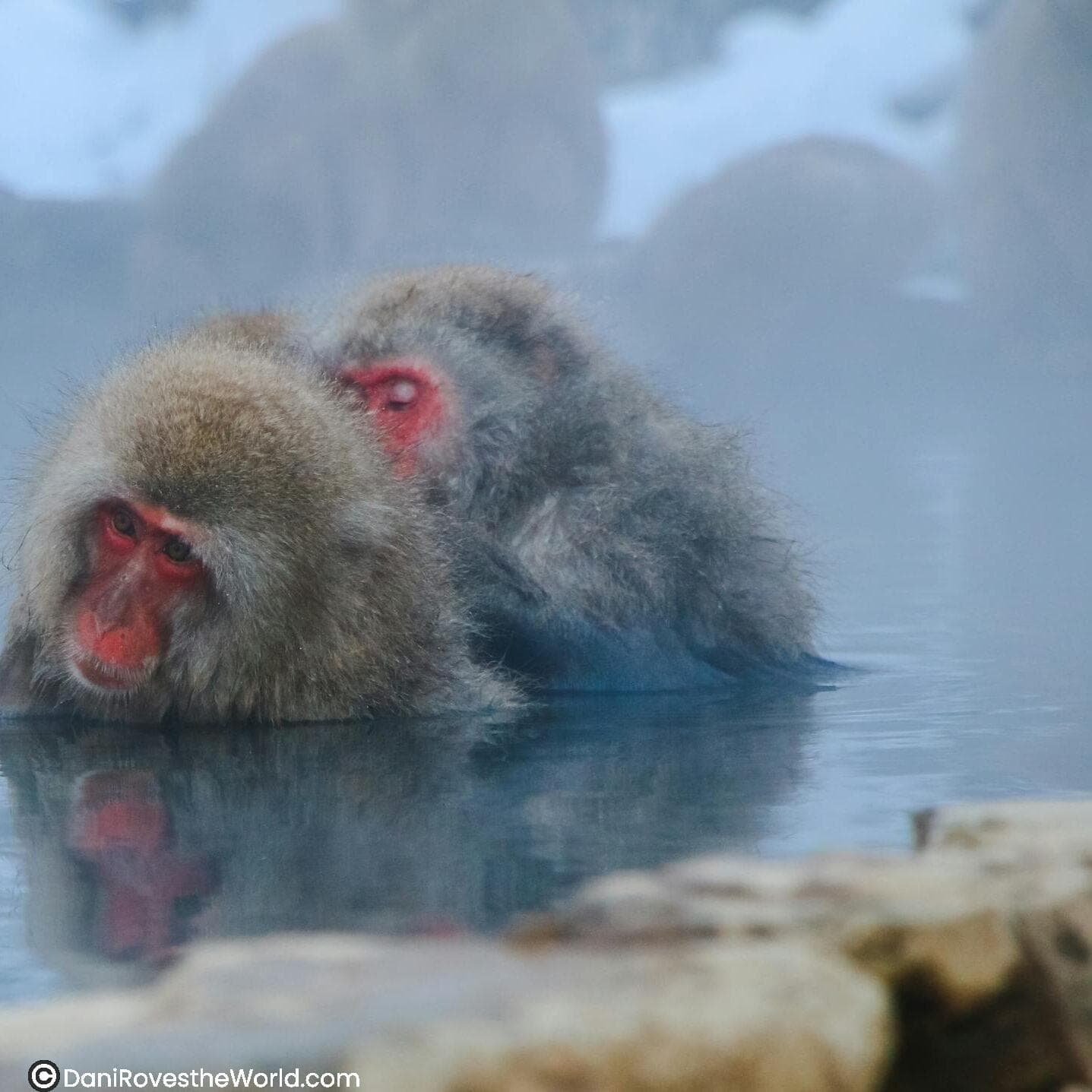
Nagano: Snow Monkeys at Jigokudani Park
If you’re in Japan during the winter, Nagano is a must. Watching snow monkeys soak in hot springs while snow falls around them is one of the most surreal experiences I’ve ever had.
How to get to Nagano
Hokuriku Shinkansen from Tokyo Station to Nagano Station: 1.5 to 2 hours
Bus or local train from Nagano to Jigokudani Monkey Park: About 40 minutes
Monkeys + temples + sake = the most unforgettable day trip from Tokyo. Book your Nagano adventure now!
The Ideal Amount of Time to Spend in Nagano
6-8 Hours
If you are also going to Zenkoji Temple, you’ll need a full-day trip.
What to do in Nagano
Jigokudani Monkey Park: Watch wild macaques lounging in steaming hot springs
Zenkoji Temple: One of Japan’s oldest and most significant Buddhist temples
Nagano Town Walk: Cozy streets with sake shops, miso shops, and warm cafes
Start your day at a 1,400-year-old Zen temple, end it with monkeys in the snow—this tour is pure Japanese magic.
TIPs for Visiting Nagano
Plan to arrive at Jigokudani Monkey Park by 8:30-9 AM. The park gets busy by mid-morning as tour buses arrive. Early mornings and weekdays are the quietest times to visit.
Tip: The nearby Zenkoji Temple is also less crowded early in the morning or in the late afternoon, so plan your visit accordingly.
Must Eat in Nagano
Oyaki: Dumplings filled with veggies or sweet bean paste
Shinshu soba: Nagano’s take on buckwheat noodles, often served hot in winter
Local sake: Try a tasting flight at one of the city’s breweries or izakayas.
Nagano Day Trip Key Takeaways
About 4 hours from Tokyo by Train and Bus
Snow Monkeys
Explore the Town of Nagano
Great for a full winter day trip
Best Day Trips from Tokyo in the Summer
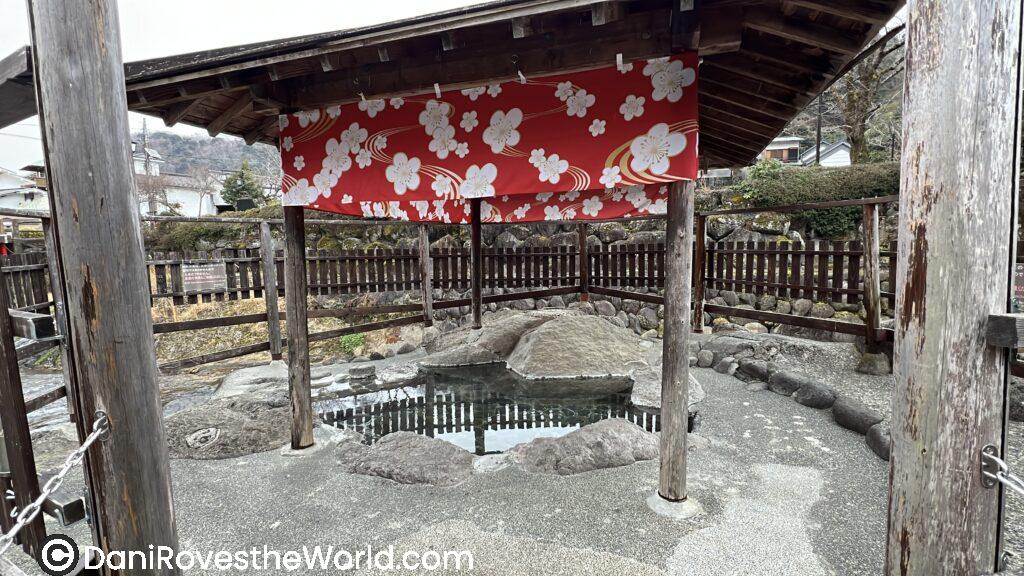
Izu Peninsula: Beaches and Coastal Views
If you’re craving sun and sea, the Izu Peninsula delivers. The beaches are clean, the seafood is fresh, and the coastal train ride alone is worth the trip.
How to get to Izu Peninsula
Odoriko Limited Express from Tokyo or Shinjuku Station to Shimoda: About 2.5 hours
JR Tokaido Line to Atami or Ito: Around 1.5 to 2 hours

The Ideal Amount of Time to Spend in Izu Peninsula
You will need a Full Day
What to do in Izu Peninsula
Shirahama Beach: White sand, turquoise water, and sunbathing space
Coastal hikes: Trails around Jogasaki Coast with suspension bridges and sea views
Atami Castle: A small museum with panoramic views from the tower
Tips for Visiting Izu Peninsula
Summer and early fall are the best for beach time. In the Spring, check out the Cherry Blossom Festival in Kawazu
Arrive by 10 AM to find a good beach spot
Must Eat in Izu Peninsula
Fresh Seafood: The Izu Peninsula is famous for its seafood, especially lobster, sashimi, and grilled abalone. Many beachside restaurants serve fresh catches of the day.
Wasabi: Izu is also known for its wasabi production. Try dishes featuring freshly grated wasabi, which is much milder and sweeter than the typical store-bought version.
Your Guide to Self-Care Bliss in Izu Peninsula
Beaches: Spend the day lounging on Shirahama Beach or another of Izu’s stunning beaches. Sunbathing, swimming, and simply relaxing by the sea are perfect self-care activities.
Onsen: Many towns along the Izu Peninsula have onsens. Atami Onsen is a popular spot where you can enjoy a relaxing soak with ocean views.
Izu Peninsula Day Trip Key Takeaways
1.5-2.5 hours from Tokyo by Train
Beach
Hike or Relax at an Onsen
Visit a Wasabi Production
Full day
FAQ
Where can I go for a day trip from Tokyo?
Top picks include Hakone, Kamakura, Nikko, Yokohama, Enoshima, and the Izu Peninsula. Each offers nature, culture, or city escapes just 1–2 hours from Tokyo by train.
Which city near Tokyo is worth visiting by train?
Yokohama is ideal. It’s fast to reach and packed with waterfront views, food, and cultural spots like the Cup Noodles Museum and Chinatown.
Can I visit Kamakura and Enoshima in one day?
Yes. Start in Kamakura for temples and the Great Buddha, then take the Enoden train to Enoshima for seafood, ocean views, and a sunset walk.
What is the best beach near Tokyo for a day trip?
Shirahama Beach in the Izu Peninsula is one of the best. It has white sand, clear water, and a laid-back vibe perfect for solo travel.
Conclusion: Which Day Trip to Choose?
No matter what type of experience you’re after, Tokyo’s surrounding areas have something for everyone.
So, what kind of adventure are you craving? If you’re a history buff, Kamakura or Kawagoe should be on your list.
Nature lovers will adore the hikes at Mt. Takao or a peaceful visit to Enoshima, while beachgoers will find bliss on the Izu Peninsula.
And for a winter escape, you can’t beat watching snow monkeys bathe in Nagano.
Ready to plan your next day trip from Tokyo? I’d love to hear which destination caught your eye!
