
Dani Roves the World contains affiliate links and is a member of the Amazon Services LLC Associates Program. If you make a purchase using one of the Amazon or affiliate links, I may receive a small compensation at no extra cost to you. See my Disclosure Policy for more information.
Seoul is where ancient traditions meet modernity, blending traditional Korean customs with futuristic tech vibes. From towering skyscrapers to hidden teahouses, the city is full of contrasts.
I really wish I’d had a cheat sheet on Cultural Etiquette Seoul before I arrived. I didn’t realize how much the simple act of bowing would impact my interactions.
I awkwardly nodded instead of bowing fully during my first meeting with a local.
Talk about a cultural faux pas! It was a lesson that made me realize how much effort goes into showing respect in Korean culture.
Now, I’m here to help you avoid those same mistakes by sharing everything I’ve learned about Korean etiquette so you can connect more meaningfully with locals and experience the best of what Seoul has to offer.
🤩 Taking a Private Tour on my first day- I learned from my local guide so many customs and tips!

Understanding Korean Greetings
Bowing: The Traditional Way
Bowing in Korea isn’t just a formality—it’s the cornerstone of Korean etiquette and a way to demonstrate deep respect. The type of bow you give depends on the context.
The first time I visited Seoul, I totally messed this up. I gave a quick nod instead of a proper bow to someone older, and their surprised look made it clear I’d missed the mark on showing respect.
It was a humbling experience that taught me just how important it is to get these small details right. Now, I always remember to keep my hands by my sides when bowing and maintain eye contact to show sincerity.

Handshakes with a Twist
In South Korea, shaking hands is common but often accompanied by a bow.
Here’s the twist: When you shake hands with someone older or more senior, support your right hand with your left, or use both hands entirely.
This gesture isn’t just a formality—it’s a sign of humility and respect in Korean culture.
When exchanging a business card, always present it with both hands and take a moment to read the details on the card before putting it away. This small act is a sign that you value the connection.
Taking a Tour and Learning about the History is Another Way to Learn More About the Culture and Proper Etiquette (Use the Local Tour Guide as a Knowledge Database!)

Social Etiquette in Seoul
Age and Respect: The Hierarchy Culture
Age plays a crucial role in Korean social interactions. Respecting your elders is deeply ingrained in Korean culture, influencing everything from the way you speak to how you behave in group settings.
The use of formal language when addressing someone older is non-negotiable—it’s a vital part of showing respect.
Use of Honorifics
Understanding Korean honorifics might seem like a challenge, but it’s essential for fitting in, especially if you want to connect with locals on a deeper level.
Terms like “Oppa” (older brother), “Unnie” (older sister), “Hyung” (older brother for men), and “Nuna” (older sister for men) are more than just titles—they define relationships and carry a sense of warmth and familiarity that’s often portrayed in K-dramas.
Using these terms properly shows your respect and understanding of the local hierarchy, making your interactions feel more natural and genuine.
If you’re unsure of what to use, stick to “ssi” (씨), a polite and gender-neutral way to address someone in South Korea, which is a safe option in both casual and formal settings.
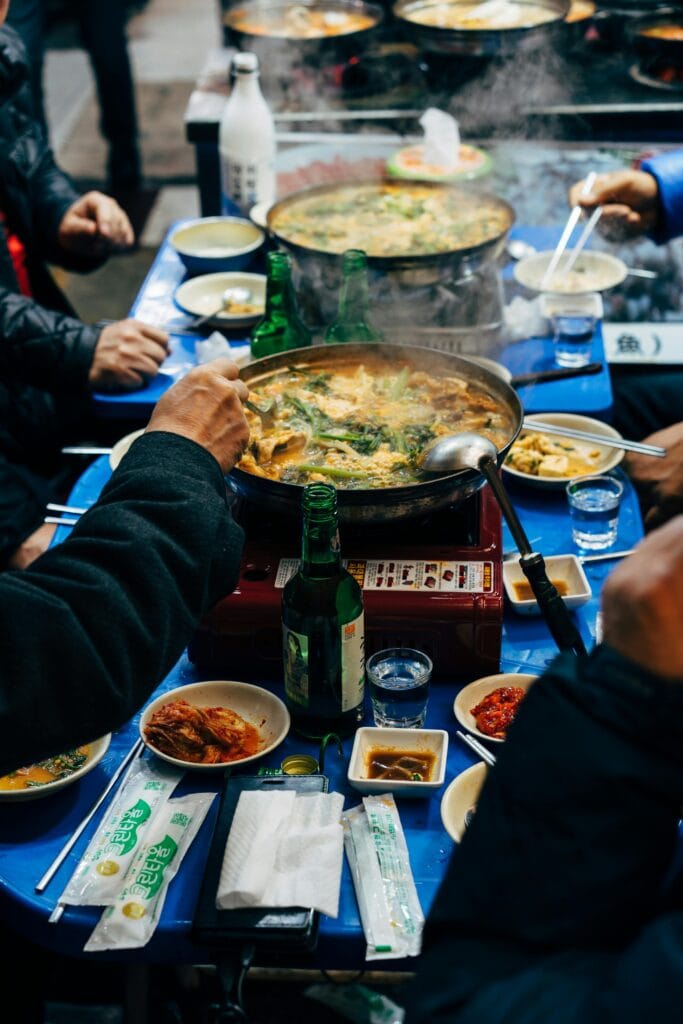
Dining Etiquette in South Korea
Eating Out: The Do’s and Don’ts
Dining etiquette in Seoul is all about respect and tradition. Before you dig into your meal, wait for the eldest person to start eating. This act of patience shows your deference to the hierarchy within the group.
Also, if someone pours you a drink, pour one for them in return—pouring your own drink can be seen as impolite.
Don’t: Stick your chopsticks upright in your rice bowl, as it resembles a ritual performed at funerals in Korean culture.
Do: Make sure to always pass dishes with your right hand or use both hands to signal respect.
Learn more about traditional Korean dishes you must try when dining out in Seoul.
Paying the Bill
In Seoul, the person who invited the group or the oldest usually pays the bill.
If you’re out with friends or colleagues, a friendly argument over who pays is common—it’s a way to demonstrate generosity.
As a solo traveler, if you’re invited by locals, it’s polite to offer to pay your share but don’t be surprised if they insist on covering the bill.
Public Behavior Norms
Subway and Public Transportation
When it comes to Seoul’s public transportation, silence is golden. People often use their commute to rest or unwind, so speaking loudly is frowned upon.
Offer your seat to anyone who appears older, pregnant, or in need, even if it means standing during a long ride. It’s a small gesture that goes a long way in Korean society.

Gift-Giving Customs
The Significance of Giving Gifts
In Korean culture, gift-giving is much more than a simple exchange; it’s a symbol of respect, thoughtfulness, and the effort you’re willing to invest in a relationship.
It’s also crucial to wrap the gift neatly, as presentation matters just as much as the gift itself.
Avoid using colors like white when wrapping, since it’s traditionally associated with mourning and funerals.
Instead, opt for vibrant wrapping paper in colors like red or gold.
What to Bring When Visiting a Korean Home
Always bring a gift when you’re invited to a Korean home—it’s not just polite; it’s expected as a sign of appreciation and respect for your host’s hospitality.
Thoughtful items like wine, a set of cookies, or even a souvenir from your own country can make a great impression.
Just make sure the gift isn’t too extravagant; keeping it modest shows your sincere intentions without creating any pressure on the host to reciprocate.
Once you arrive, remember to remove your shoes at the entrance. Wearing clean socks or indoor slippers is ideal, as going barefoot might be considered impolite in some households.
Tip: Hand the gift to your host with both hands, maintaining eye contact and a slight bow to emphasize your respect and gratitude.
Fashion and Dress Code Etiquette
Dressing Respectfully in Seoul
Seoul is a city where fashion truly thrives—it’s all style.
You’ll see locals effortlessly rocking the latest trends, from streetwear to sophisticated office looks, often with a unique twist that reflects their individual flair.
But despite the cutting-edge fashion scene, there’s a cultural preference for modesty when it comes to dress codes.
While Koreans embrace bold colors, unique designs, and even short skirts, wearing revealing tops or showing too much skin can be considered rude.
For example, low-cut tops, off-the-shoulder styles, or anything that shows cleavage might attract unwanted attention or be seen as disrespectful in more traditional settings.
This is especially true if you’re visiting religious sites, historical areas, or even certain local neighborhoods where conservative dress is the norm.
If you’re planning to visit temples or cultural sites like the Jogyesa Temple or Gyeongbokgung Palace, it’s a good idea to wear clothes that cover your shoulders and knees to show respect.
However, Korean fashion is also quite accepting of other styles that might seem surprising.
You’ll notice that short skirts and high-waisted shorts are common and not usually seen as inappropriate, even in more formal settings.
To blend in with the locals, consider outfits that are stylish yet modest—think tailored trousers, midi dresses, or flowy blouses.
Lightweight fabrics and layers are a good choice for navigating Seoul’s changing seasons, allowing you to stay comfortable while also respecting cultural norms.
When in doubt, layer up. Wearing a light cardigan or jacket over a sleeveless top can quickly turn your outfit into something more conservative if you find yourself in a traditional or formal setting.
Cultural Nuances in Fashion
One interesting aspect of Korean fashion is the way people express themselves through their accessories.
You’ll often see locals with statement bags, unique hats, or jewelry that adds a personal touch to their outfits. Accessories are a great way to show off your style without breaking modesty rules.
Dressing well in South Korea isn’t just about looking good—it’s a form of showing respect to those around you.
This principle is especially important when you’re meeting someone for the first time or doing business in Seoul.
Presenting yourself neatly and thoughtfully, even in casual settings, signals that you value the occasion and the people you’re with.
Language Tips for Politeness
Basic Korean Phrases
Knowing a few basic Korean language phrases can make a huge difference in how locals perceive you.
Simple words like “Annyeonghaseyo” (hello) and “Gamsahamnida” (thank you) go a long way in showing respect and can make your interactions more meaningful.
Even if your pronunciation isn’t perfect, attempting to speak the language will earn you smiles and appreciation from locals.
Navigating Seoul’s Unspoken Rules
Avoiding Direct Refusal
In Korean culture, directly saying “no” can be seen as too blunt or confrontational, which is why Koreans often prefer to give softer, more indirect responses.
Instead of outright refusal, you might hear phrases like “I’ll think about it” or “Let’s see,” which subtly imply a decline without causing any discomfort to the other person.
If you find yourself in a situation where you need to decline an invitation or request, try to phrase your response gently.
Offering an alternative suggestion or a polite excuse can help soften the impact of your refusal.
This thoughtful approach not only shows your respect for their feelings but also aligns with the cultural norms of consideration and tact in Korean society.
Table Manners Beyond the Meal
In Korean dining culture, the way you handle shared dishes is just as important as how you behave during the meal itself.
Koreans highly value communal dining, where each person plays a part in creating a pleasant experience for the whole group.
If you’re sharing food, avoid reaching across the table to serve yourself; instead, politely ask someone nearby to pass the dish to you.
When it comes to the last piece of a shared dish, it’s customary to leave it unless everyone agrees you should take it.
Taking the last piece without checking in with others can be considered rude.
On my first trip to Seoul, I remember sitting down to a meal with some local friends and without thinking, I reached right over the table to grab a piece of kimchi.
The room went silent for a split second, and I realized I had just broken one of the unwritten rules of dining etiquette.
My friends were kind enough to laugh it off, but I quickly learned to wait my turn and ask politely for dishes to be passed.
It was a lesson that made me appreciate the subtle ways Koreans prioritize respect and thoughtfulness during a meal.
Pour drinks for others before filling your own glass, using both hands to hold the bottle or cup.
FAQs About Korean Etiquette
Should I Introduce Myself?
Wait for your host to introduce you—it’s the respectful move in Korean culture. Once they do, then go ahead and shake hands. Use both hands or support your right hand with your left. It’s a simple gesture, but it shows you’re clued into Korean etiquette
Is it ok to Hug?
Hugging’s a no-go, especially if you’re just meeting. Most people stick to a polite bow or a handshake. Save the hugs for close friends or family. It’s all about respecting personal space, and Koreans tend to keep things more formal with new acquaintances.
What are thing’s NOT to do?
Don’t stick your chopsticks upright in your rice—it’s bad luck. Avoid blowing your nose at the table, as it’s considered rude. Never pour your own drink first, and don’t write names in red ink; it’s linked to death. Respect is everything, so these little details matter
Can I wear Sunglesses?
Wearing sunglasses is fine for sunny days outside, but take them off when you’re talking to someone or indoors. Keeping them on can come across as disrespectful or aloof. It’s all about showing your face and being polite in social situations
Final Thoughts
Mastering South Korean etiquette in Seoul will help you navigate your journey with more ease and understanding.
Even if you make a mistake, don’t stress—Koreans appreciate the effort you put into learning their customs. It’s all about the intention behind the gesture.
I’d love to hear your own stories or tips about navigating Korean culture.
If this guide helped you understand Cultural Etiquette in Seoul, check out my Guide to Seoul and keep an eye out for my upcoming posts about South Korea.
