
Dani Roves the World contains affiliate links and is a member of the Amazon Services LLC Associates Program. If you make a purchase using one of the Amazon or affiliate links, I may receive a small compensation at no extra cost to you. See my Disclosure Policy for more information.
When you think of Seoul, images of futuristic skyscrapers, bustling markets, and neon-lit streets often come to mind.
But hidden among this modern landscape is a place that feels like a breath of fresh air — Jogyesa Temple.
This isn’t just another historical landmark; it’s a vibrant center of Korean Buddhism and a peaceful retreat for solo travelers seeking a moment of tranquility in the heart of the city.
Experiencing Jogyesa Temple: A Solo Traveler’s Perspective
Visiting Jogyesa Temple as a solo female traveler was an unexpected highlight of my journey through Seoul.
It wasn’t just about the beautiful architecture or the rich history; it was about finding a space where you could slow down, breathe deeply, and connect with something much deeper than the urban chaos outside.
Let’s dive into what makes Jogyesa a must-visit, especially if you’re exploring on your own.
The temple stay program offers a unique opportunity to immerse oneself in the serene and contemplative lifestyle of Buddhist monks, providing a peaceful retreat from the hustle and bustle of everyday life.

A Glimpse into Jogyesa’s History
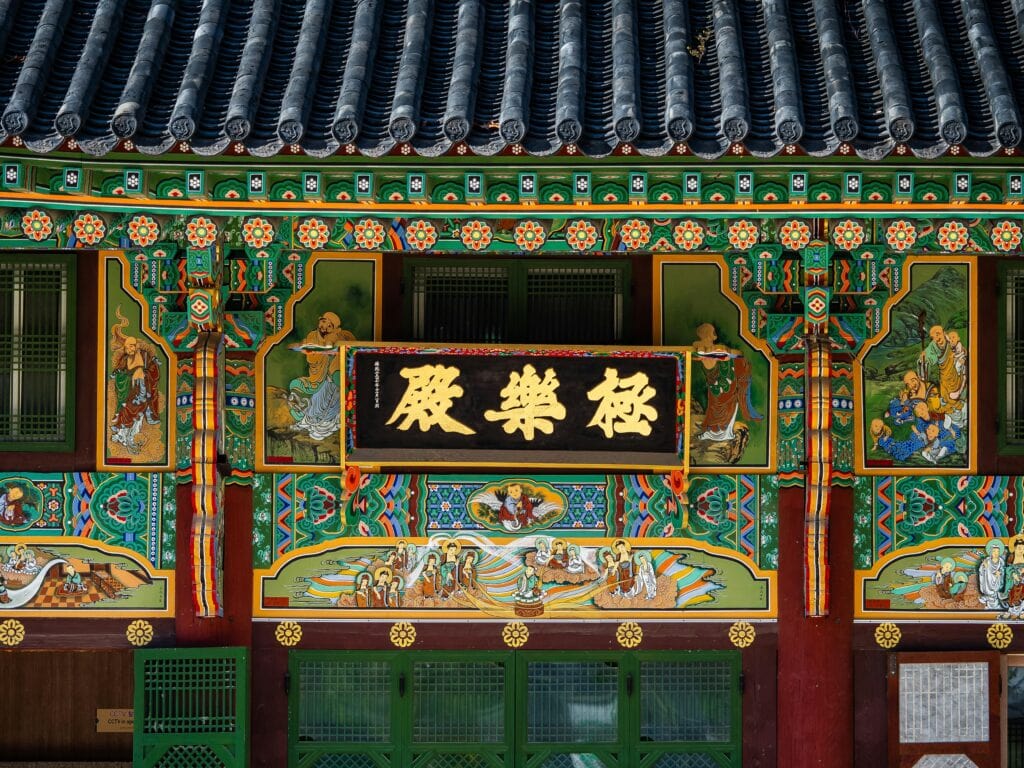
Jogyesa Temple has been a cornerstone of Korean Buddhism since its founding in 1395.
Unlike many temples hidden away in serene mountain landscapes, Jogyesa stands proudly in central Seoul, surrounded by the city’s energetic pulse.
This urban temple serves as the chief temple for the Jogye Order, which is the largest sect of Korean Buddhism.
The Chinese Scholar Tree and the One-Pillar Gate
One of the most striking features at Jogyesa is the ancient Chinese Scholar Tree , which stands tall and proud, symbolizing wisdom and resilience.
The One-Pillar Gate marks the entrance to the temple and is believed to separate the secular world from the spiritual realm.
Stepping through this gate felt like leaving behind the rush of daily life and entering a space of calm and reflection — an experience that’s essential for any traveler looking to recharge.
What to Do at Jogyesa Temple: Immersive Experiences for the Curious Traveler
Whether you’re spiritually inclined or just curious, Jogyesa Temple offers several activities that allow you to engage with Korean culture in meaningful ways.
Here’s what I recommend:
1. Participate in the Lotus Lantern Festival
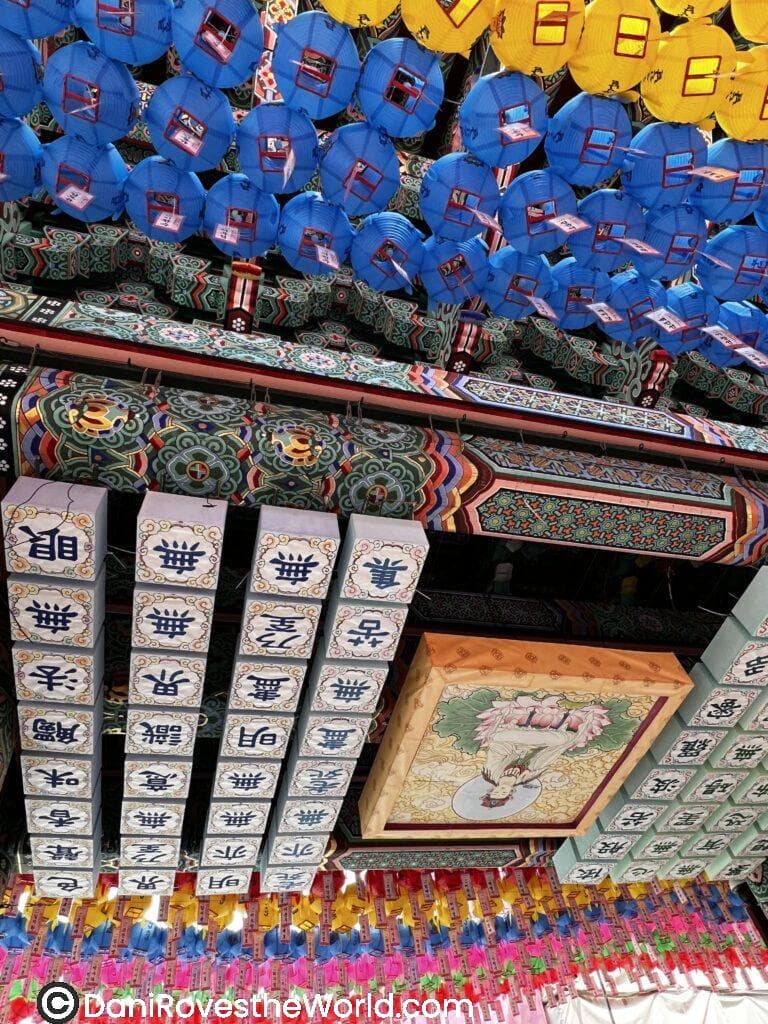
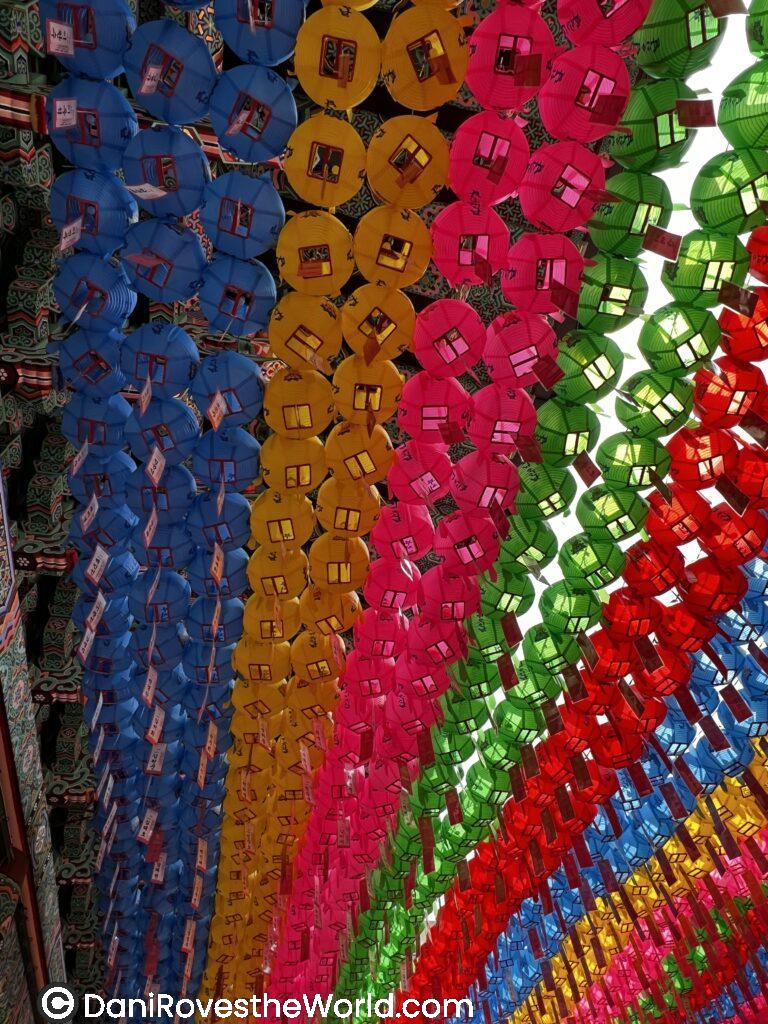
If your visit aligns with the annual Lotus Lantern Festival in celebration of Buddha’s birthday, consider yourself lucky.
This festival is a spectacular display of colorful lanterns that light up the night, symbolizing the brightness and wisdom of Buddha’s teachings.
The streets surrounding the temple come alive with parades, traditional performances, and a warm sense of community that makes you feel part of something truly special.
Solo Travel Tip: Since this festival draws large crowds, it’s a great time to meet locals and other travelers.
2. Join a Traditional Tea Ceremony
Engaging in a tea ceremony at Jogyesa is more than just sipping tea; it’s a meditative experience that encourages mindfulness and presence.
You’ll learn about the ceremonial steps, which emphasize the beauty of simplicity and attention to detail — a perfect activity for solo travelers looking to connect with themselves and the present moment.
Solo Travel Tip: This activity is ideal if you’re seeking a calm, introspective moment amidst your travels.
3. Meditation and Self-Care Practices
Take a moment to join one of the temple’s meditation sessions or find a quiet spot to practice on your own.
The pine trees and manicured gardens provide a serene backdrop for reflection, helping you clear your mind and recharge your energy.
Practical Tips for Visiting Jogyesa Temple
Planning ahead can make your visit to Jogyesa Temple more rewarding.
Here’s what you need to know to make the most out of your time there:
1. Respect the Sacred Space
Dress Code: While there’s no strict rule, wearing modest clothing that covers your shoulders and knees is a sign of respect.
Photography: You’re welcome to take photos, but be mindful not to disturb those who are praying or meditating.
2. Best Time to Visit
Although Jogyesa Temple is open year-round, try to plan your visit during the Vesak Festival or Lotus Lantern Festival.
These events offer a rare glimpse into Buddhist traditions, rituals, and the cultural significance of the temple.
3. How to Get There
Jogyesa Temple is centrally located in Seoul and easily accessible via public transportation.
The nearest subway station is Anguk Station (Line 3), Exit 6, or Jonggak Station (Line 1), Exit 2.
Solo Female Travel Tips for Visiting Jogyesa Temple
Safety: Jogyesa is located in a safe area of Seoul, but always stay aware of your surroundings, especially during crowded festivals.
Blending In: Dress modestly to show respect and try to observe local customs quietly — this will help you avoid standing out.
Cultural Etiquette: Avoid talking loudly or using your phone within the temple grounds to maintain the serene atmosphere.
Wrapping Up: Why Jogyesa Temple Should Be on Every Solo Traveler’s List
Jogyesa Temple isn’t just a place to visit; it’s an experience that touches on spirituality, culture, and self-discovery.
For solo female travelers, this temple offers a perfect blend of peace, cultural immersion, and a deeper understanding of Korean Buddhism.
Be sure to brush up on what to know before you come to Seoul!
Whether you find yourself here for the Lotus Lantern Festival, a quiet meditation, or simply a break from Seoul’s fast pace, Jogyesa will leave you with a sense of calm.
