
Dani Roves the World contains affiliate links and is a member of the Amazon Services LLC Associates Program. If you make a purchase using one of the Amazon or affiliate links, I may receive a small compensation at no extra cost to you. See my Disclosure Policy for more information.
Traveling solo can be exhilarating, but let’s be real—it’s not all stunning sunsets and bucket-list moments. Sometimes, the constant packing, navigating, and planning can leave you feeling exhausted, unmotivated, or even questioning your trip.
I’ve been there, sitting in a café halfway across the world, wondering why I wasn’t enjoying it as much as I thought I would.
In this post, we’ll dive into practical ways to recognize, prevent, and overcome travel burnout, so you can get back to fully embracing your adventure—no matter where the journey takes you.
Whether you’re wondering how to handle travel burnout or looking for tips to recover, this guide has you covered.
🤩
Recharge your energy with a soothing night’s sleep using this portable white noise machine

Travel burnout, simply put, is the emotional, physical, and mental exhaustion caused by extended or intense travel. Psychology Today describes how chronic stress and overstimulation can manifest as emotional detachment or fatigue
It can happen to anyone—whether you’re a digital nomad working your way across the globe or on a once-in-a-lifetime solo adventure.
At its core, travel burnout symptoms often include feeling overwhelmed, detached, or just plain exhausted during a trip. You might even find yourself daydreaming about going home instead of embracing the moment.
For some, this burnout can come after days filled with jam-packed itineraries; for others, it might creep in during a quiet moment.
The important thing to know is that travel burnout meaning is real, and understanding it can make a world of difference for your mental well-being.
Myths About Travel Burnout
Myth 1: Burnout only happens on long trips.
Think travel burnout is just for digital nomads or full-time travelers? Think again. Even a 3-day weekend getaway can leave you feeling drained if you overcommit yourself.
Myth 2: Burnout makes you a bad traveler.
Feeling burned out doesn’t mean you don’t love traveling. It’s a natural response to overstimulation, tight schedules, or even the pressure of “making every moment count.”
Myth 3: Travel experts don’t burn out.
Even seasoned travelers like myself (hi!) face burnout. During one of my longest solo travels, I hit a wall where sightseeing felt more like work than joy. It happens to everyone, no matter how experienced you are.
Understanding how to handle travel burnout and the myths surrounding it is the first step to addressing it. Recognizing that burnout doesn’t define your trip or your love for travel will help you tackle it head-on.
Recognizing the Symptoms of Travel Burnout
Emotional Symptoms
Travel burnout symptoms often manifest emotionally before you even realize what’s happening.
One of the most telling signs is irritability—you might find yourself snapping at little things that wouldn’t normally bother you.
That sense of awe and excitement you had at the start of your trip? Gone. Instead, you may feel detached, like you’re just going through the motions.
Another common emotional symptom is anxiety. This might look like overthinking every step of your travels or feeling overwhelmed by the smallest decisions.
You might even start questioning if your trip was worth all the time, effort, and money. Recognizing these feelings is key to addressing solo travel burnout before it spirals into something bigger.
Physical Symptoms
Burnout doesn’t just weigh on your mind—it can take a serious toll on your body. Feeling constantly fatigued, even after a full night of sleep, is a major red flag.
Low energy can make simple activities, like exploring a new city, feel exhausting. Poor sleep patterns, whether from jet lag or difficulty relaxing, can exacerbate the problem, leaving you stuck in a cycle of burnout.
Another physical symptom to watch for is frequent illness. Traveling exposes you to new environments and germs, but when burnout hits, your immune system takes a hit too.
If you’ve found yourself wondering how long can travel fatigue last, it’s a sign you might need to pause and focus on recovery.
By understanding both the emotional and physical symptoms of travel burnout, you can begin to take proactive steps to care for yourself during your travels.
Recognizing these signs early can help you avoid a deeper burnout and keep your trip—and your health—on track.
🤩I highly recommend this Travel Insurance for your peace of Mind when Traveling

Causes of Travel Burnout
Moving Too Quickly
Trying to check off five cities in seven days might sound ambitious, but it’s a surefire way to run yourself into the ground. When your itinerary is packed full, you don’t leave time to truly experience a destination—or to rest.
Constantly hopping from one place to another doesn’t just tire you out physically; it can leave you emotionally drained too, making your travels feel more like a chore than an adventure.
Poor Sleep Habits
Jet lag, uncomfortable accommodations, and the general excitement of traveling can all mess with your sleep.
But when those restless nights pile up, they can contribute to burnout. Lack of quality rest impacts your energy, mood, and even decision-making, making it harder to enjoy your trip.
Whether it’s a noisy hostel or staying up late to catch up on work as a digital nomad, poor sleep habits are a common culprit behind travel fatigue.
Irregular Eating
When you’re on the go, it’s easy to skip meals or rely on convenience foods that don’t provide much nutrition. Maybe you’re too busy exploring a new city or your schedule doesn’t align with local meal times.
Over time, this irregular eating can sap your energy, affect your mood, and make it harder for your body to recover from long days of travel.
Culture Shock and Overstimulation
Adapting to a new environment is one of the most exciting parts of travel, but it can also be overwhelming.
The constant sensory input—new languages, foods, sights, and sounds—can lead to overstimulation, especially if you’re jumping from one place to another without downtime.
Culture shock can further exacerbate this, making you feel out of sync or disconnected from your surroundings.
Money Stress
Traveling often comes with unexpected expenses, and budgeting on the road isn’t always easy.
Whether it’s overspending on a splurge meal or worrying about sticking to your budget, financial stress can quickly dampen the joy of your trip.
Money stress doesn’t just impact your wallet—it can weigh heavily on your mental state too, making you feel anxious or guilty.
Lack of Personal Space
For solo travelers, finding balance between alone time and social interaction is key.
Constantly sharing accommodations, navigating crowded spaces, or engaging with new people can leave you feeling emotionally drained.
Without personal space to recharge, even the most exciting destinations can start to feel overwhelming.
By identifying these causes of travel burnout, you can better prepare for your next adventure and take steps to minimize stress along the way.
Recognizing the role these factors play in burnout will help you craft a more balanced and enjoyable travel experience.
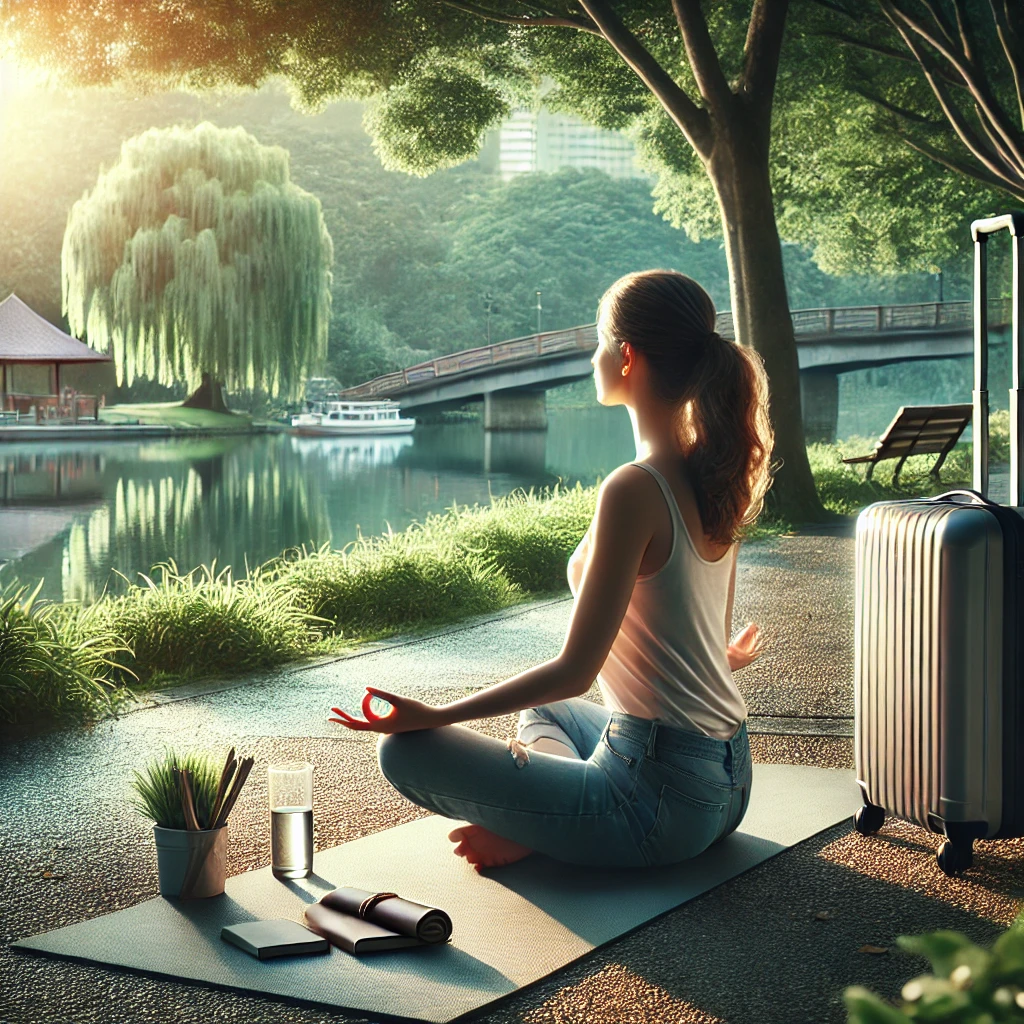
Preventing Travel Burnout
The best way to handle travel burnout is to avoid it in the first place, and smart planning can make all the difference. Build downtime into your itinerary—think of it as a necessary part of the trip, not a luxury.
Whether it’s a leisurely morning at a café or a full day off from sightseeing, giving yourself space to rest is key.
Another helpful strategy is to alternate between busy and slow days. If you’re spending one day packed with activities, like exploring a city, balance it out with a quieter day to recharge. I use Rome2Rio to help me plan my journeys in the easiest routes possible to avoid too many stops or changes.
This rhythm helps you maintain energy and keeps the excitement alive throughout your travels. Even if you’re a digital nomad balancing work and travel, building rest into your schedule is essential.
Knowing Your Triggers
Everyone has different things that drain their energy while traveling. Maybe it’s navigating crowded tourist spots, constant movement, or the pressure to “do it all.”
By identifying your personal triggers, you can plan around them. If crowds overwhelm you, schedule visits to popular attractions early in the morning or during off-peak hours.
Solo travel burnout can often stem from too much interaction or overstimulation. Knowing when to step back and take time for yourself is critical to maintaining balance.
Travel Light
Overpacking might not seem like a big deal, but lugging around a heavy suitcase can add unnecessary stress to your trip. Keeping your luggage manageable not only simplifies transit days but also makes you feel more in control.
Pack only what you truly need and choose versatile clothing items that work for multiple occasions. The less things you have to worry about, the more you can focus on enjoying the journey.
Plus, traveling light allows for more flexibility, like exploring a new city without feeling bogged down by heavy gear.
By incorporating these tips into your travel routine, you can create a more balanced experience and avoid the pitfalls of travel burnout before they take hold.
Prevention is all about giving yourself grace and permission to enjoy the journey, not just the destination.
Packing light is key—consider these packing cubes to keep your luggage organized and stress-free.
How to Overcome Travel Burnout.
Slow Down
One of the easiest ways to recover from travel burnout is to simply slow down. If you’ve been hopping between destinations, consider spending a few extra days in one place to recharge.
Staying put allows you to unpack—literally and emotionally—and enjoy your surroundings without the pressure of moving on.
Take this time to explore at your own pace. Maybe it’s lingering over a leisurely breakfast or strolling through a quiet park.
Slowing down lets you reconnect with your “why” for traveling and find joy in the little moments again. It’s not about how far you go but about how well you enjoy the journey.
Rest and Relaxation
Sleep is a powerful tool for overcoming travel fatigue. Prioritize quality rest by adjusting your itinerary to allow for longer nights or even a midday nap.
If jet lag is part of the problem, give your body time to adjust before jumping into a packed schedule.
Incorporate restful activities like reading, lounging at a café, or booking a massage. These small acts of relaxation can make a big difference in restoring your energy and enthusiasm for the trip.
Treat Yourself
Sometimes, the best way to beat burnout is to indulge in a little luxury. Splurge on a nice hotel, book a spa day, or treat yourself to a memorable meal.
Giving yourself permission to enjoy something special isn’t just a physical recharge—it’s a mental one too.
For solo travelers, these moments of indulgence can be particularly impactful, offering a sense of comfort and care that might be missing when you’re constantly on the go.
Spend Time Alone
Traveling often involves a lot of interaction—whether it’s meeting new people, navigating busy markets, or joining group tours. If you’re feeling burned out, carving out time for yourself can be incredibly restorative.
Use this time to do activities that bring you peace, whether it’s journaling, taking a quiet walk, or simply enjoying your own company.
Solo travel burnout often stems from a lack of balance, so creating space for solitude helps you reset and recharge.
Self-Care Tips for Recovery
Build a Routine
When you’re feeling burned out, creating small routines can bring a sense of stability back to your travels. Whether it’s cooking your own meals, doing light stretches in the morning, or enjoying a cup of tea at the same time each day, routines provide comfort and structure.
For long-term travelers or digital nomads, these rituals can help establish a sense of “home” wherever you are.
Simple habits, like journaling or setting aside time to plan your day, can make your travels feel more grounded and intentional.
Disconnect from Technology
Constantly scrolling through social media or responding to notifications can amplify feelings of burnout. Taking breaks from your devices allows you to focus on the present moment and clear your mind.
Set boundaries for screen time, such as putting your phone away during meals or limiting your time online in the evening.
Disconnecting even for a few hours a day can create mental space to process your experiences and fully immerse yourself in your surroundings.
Focus on Nutrition
A healthy diet is essential for recovery. Travel often means indulging in new cuisines (which is great!), but incorporating fruits, vegetables, and balanced meals can do wonders for your energy levels.
If you’re constantly on the go, prioritizing nutrition can help you feel full of energy and ready to tackle the next part of your trip.
If you’re staying somewhere with a kitchen, try cooking a simple, nourishing meal. Not only is it a budget-friendly option, but it also lets you take a break from eating out and focus on what your body needs.
Even small changes—like hydrating more or adding fresh produce to your meals—can make a big impact.
Meditate and Exercise
Mindfulness practices like meditation or yoga can help reduce stress and bring clarity to your thoughts. Find a quiet spot in a park, a yoga studio in the city, or even use an app to guide you through a short session.
Exercise is another great way to recharge. You don’t need an intense workout—a leisurely walk, light stretching, or even a swim can boost your mood and energy.
Combining physical movement with mindfulness can help you feel refreshed and ready to enjoy your trip again.

Managing Travel Burnout While Traveling Alone
Combat Isolation
Solo travel burnout can be particularly challenging because isolation often adds to feelings of exhaustion. To combat this, focus on connecting with others in ways that feel natural and low-pressure.
For instance, join a walking tour or a local cooking class where interactions happen organically.
Staying in social accommodations, like hostels or homestays, can also provide opportunities to meet fellow travelers without overwhelming your energy.
Apps like Meetup or Bumble BFF are great for finding like-minded people in your destination. Even a simple conversation with a local vendor or barista can help you feel more grounded and connected.
Remember, you don’t need to force interactions—choose situations that align with your comfort level and energy.
Sometimes just having a friendly chat with someone can remind you that you’re not alone in the world.
Prioritize Self-Care
When you’re traveling alone, self-care becomes your responsibility and your lifeline. Build habits that support your well-being, like carving out time for journaling, meditating, or even just watching a movie in your accommodation.
Creating a support system doesn’t have to mean relying on others—it can be about supporting yourself in intentional ways.
This might include planning your day around activities that energize you or treating yourself to something comforting, like a nice meal or a spa visit.
If you’re feeling especially drained, consider scheduling virtual check-ins with friends or family back home. Sometimes, a familiar voice can provide the reassurance you need to keep going.
By managing isolation and making self-care a priority, you’ll build resilience for your solo adventures and be better equipped to handle travel burnout when it arises.
Remember, traveling alone is about creating an experience that works for you—and that includes taking care of your needs.
Knowing When to Go Home
It’s Okay to Pause
There’s no shame in calling it a day—or even a trip—if you’re feeling completely burned out. Returning home to recharge isn’t a failure; it’s a way to prioritize your mental and physical health.
Sometimes, the best way to reignite your love for travel is to take a break and give yourself time to reset.
Whether you’re a digital nomad juggling work and travel or a solo adventurer exploring the world, taking a step back doesn’t mean you’re giving up.
It’s a chance to rest, reflect, and return to your travels when you’re ready. Remember, travel is about quality experiences, not how many places you visit in one stretch.
Burnout vs. Homesickness
It’s important to distinguish between travel burnout and homesickness, as the two can feel similar but require different solutions.
Burnout often presents as emotional and physical exhaustion—lack of joy, irritability, and fatigue are common signs. On the other hand, homesickness is an emotional longing for the familiarity of home and loved ones.
If you’re burned out, a few days of rest or a slower pace might be enough to recover. But if you’re homesick, connecting with family via video call or incorporating familiar routines—like cooking a favorite meal—can help.
Understanding what you’re feeling allows you to take the right steps to address it without making drastic decisions you might regret later.
Budget-Friendly Burnout Recovery
Affordable Relaxation Options
Recovering from travel burnout doesn’t have to break the bank. Many free or low-cost activities can help you unwind and recharge. Visit local parks, gardens, or beaches to enjoy nature’s calming effect.
Spend time reading, journaling, or people-watching in a quiet spot.
You might also explore local libraries or cultural centers, which often provide peaceful environments and sometimes free events.
Even a simple walk through a quiet and safe neighborhood can offer a refreshing change of pace without costing a dime.
Local Wellness Practices
One of the best parts of travel is discovering local wellness traditions, many of which are affordable. In Japan, for example, onsens (hot springs) offer a deeply restorative experience for a small fee. In Morocco, hammams (public bathhouses) provide a similar opportunity to relax and recharge.
Research budget-friendly wellness options in your destination, like yoga classes, meditation workshops, or even free walking meditations in scenic areas.
These practices not only help you recover from travel burnout but also allow you to connect with the local culture in a meaningful way.
With these budget-friendly tips, you can prioritize your well-being without worrying about overspending, ensuring your travels remain both fulfilling and restorative.
Reconnect with Your Joy for Travel
Get Back to Your “Why”
When burnout leaves you questioning why you’re even traveling, it’s time to reflect. Ask yourself: What made you want to explore the world in the first place?
Was it the thrill of discovering new cultures, trying unique foods, or meeting people from all walks of life?
Reconnecting with your travel goals and passions can help reignite your enthusiasm. Consider revisiting a favorite activity or destination that aligns with your original motivations.
Sometimes, stepping back and reminding yourself of your “why” can transform burnout into a renewed sense of purpose.
Spend Time in Nature
Nature has an incredible way of grounding us and providing a sense of peace. Seek out green spaces like parks, gardens, or hiking trails to decompress and recharge.
Whether it’s a morning walk through a forest, a sunset at the beach, or simply sitting under a tree with a book, spending time in nature can bring clarity and tranquility.
For solo travelers, these moments in nature can be especially restorative, offering quiet time to reflect and reset without distractions.
Meet People
Sometimes, a fresh perspective is all you need to fall back in love with travel. Engaging with locals or fellow travelers can provide new insights and stories that inspire you. Attend a community event, join a group activity, or strike up a conversation at a café.
Meeting new people can remind you of the beauty of human connection and the shared experience of exploring the world. Just be mindful of your energy—connect when it feels right and take breaks when needed.
🤩 I love small group tours– its a great way to meet people!

Long-Term Strategies to Avoid Burnout
Sustainable Travel Practices
Preventing travel burnout on extended trips or long-term travel requires mindful pacing. Avoid cramming too much into your itinerary, and instead, focus on quality experiences over quantity.
Incorporate slow travel practices, like staying longer in one destination, opting for train rides over flights, or immersing yourself in local routines.
Sustainable travel isn’t just about reducing your environmental footprint—it’s also about creating a rhythm that allows you to fully enjoy and absorb your journey.
Avoid Guilt
Travel burnout happens to everyone—even seasoned travelers. Feeling guilty about needing rest or taking a break only adds to the stress. Remember, you don’t have to prove anything to anyone; your travel journey is uniquely yours.
Give yourself grace and recognize that prioritizing your well-being doesn’t make you any less of a traveler. In fact, taking care of yourself ensures that you’ll continue to enjoy your adventures for the long haul.
FAQs About Travel Burnout
What are the symptoms of travel burnout?
Travel burnout symptoms include emotional signs like irritability, detachment, and anxiety, as well as physical signs like fatigue, poor sleep, and frequent illness. Recognizing these symptoms early can help you address them before they escalate and disrupt your trip.
Can travel burnout happen to first-time solo travelers?
Yes, travel burnout can happen to anyone, including first-time solo travelers. The excitement of planning and experiencing everything at once can lead to overstimulation and exhaustion. Taking breaks and pacing your trip can help prevent it.
What’s the difference between travel burnout and culture shock?
Travel burnout is emotional and physical exhaustion from overstimulation or constant movement. Culture shock, on the other hand, involves adapting to unfamiliar cultural norms, which can feel disorienting but isn’t necessarily tied to exhaustion.
Conclusion: Prioritize Your Well-Being to Fully Enjoy Your Travels
Travel burnout is a natural part of exploring the world, but it doesn’t have to define your journey. By recognizing the symptoms, addressing the causes, and incorporating self-care into your travels, you can stay energized and inspired.
For more tips on how to handle travel burnout, solo travel advice, or destination inspiration, explore other posts on Dani Roves the World. Let’s keep your adventures fulfilling and restorative!
